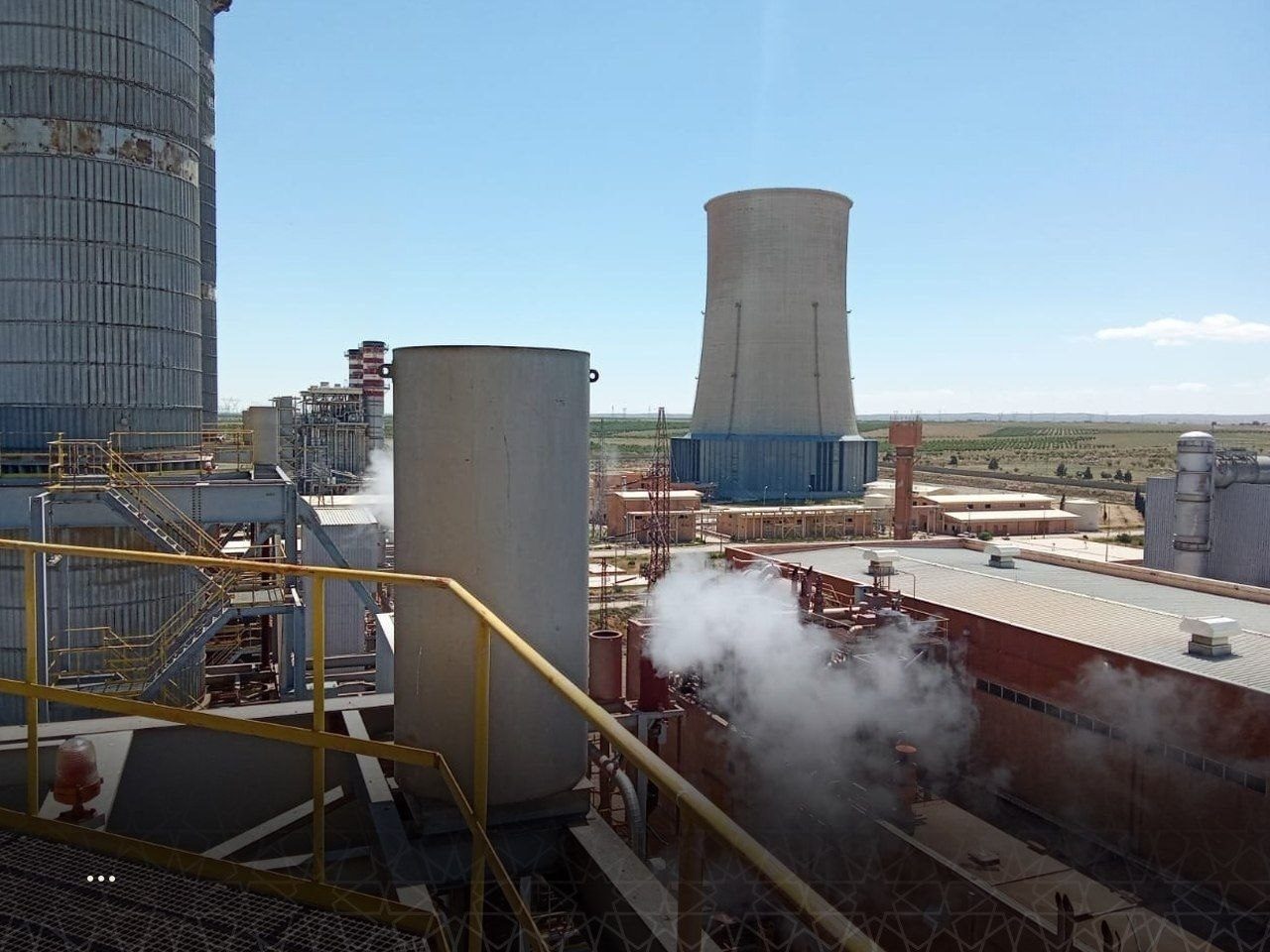
After years of limited operation, the Jandar thermal power plant in rural Homs returned to full generating capacity, marking a significant development for Syria’s struggling electricity sector. The plant now supplies approximately 820 megawatts to the national grid, up from just 200 megawatts previously, according to Syria’s Ministry of Energy.
The increase comes as summer approaches and electricity demand rises across the country. Officials described the achievement as a major step toward stabilizing a sector that has faced severe deterioration since 2011.
The ministry said technical teams completed extensive maintenance work across several units at the plant. Repairs included replacing the axle of the first gas turbine, restarting the first steam turbine that had been inactive since 2021, servicing the fourth gas turbine and fifth boiler, and calibrating high-pressure drum sensors.
These efforts restored the plant’s second and third operational phases, bringing two full generating blocks back into service for the first time in years. The ministry noted that engineers completed the rehabilitation despite aging infrastructure and equipment that had exceeded its expected service life.
One of Syria’s Largest Energy Facilities
The Jandar power plant remains one of Syria’s largest electricity generation facilities. Construction took place in two phases. The first phase, completed between 1994 and 1995, included four gas turbines and two steam turbines. The second phase, built between 2011 and 2016, added two gas turbines and one steam turbine.
The plant operates using combined-cycle technology, which increases efficiency by using heat generated from gas turbines to produce additional steam power. Despite the improvements at Jandar, Syria’s electricity crisis continues to strain daily life and economic activity.
Current available generating capacity across the country recently surpassed 3,000 megawatts, but average production remains between 2,300 and 2,600 megawatts, according to official figures. Daily electricity demand approaches 9,000 megawatts, leaving a deficit exceeding 6,000 megawatts. The shortfall continues to force authorities to implement long hours of electricity rationing across much of the country.
Fuel shortages, limited gas supplies and ongoing economic sanctions have further complicated efforts to restore consistent electricity generation. Many facilities continue operating below capacity, while others remain offline for extended periods because of maintenance and supply challenges.
Infrastructure Rehabilitation Continues
Alongside the Jandar project, the Ministry of Energy announced the activation of a new transformer at the Tishrin substation in rural Damascus. The 125 MVA transformer, operating at 230/66 kV, had remained out of service since the substation’s construction in 2010 because of technical problems.
Officials also replaced a medium-voltage transformer with a 30-megawatt capacity that had previously stopped operating. Authorities described the projects as part of a broader national effort to rehabilitate damaged electricity infrastructure despite funding shortages and difficulties obtaining spare parts.
Jandar Plant General Director Ahmed Raj told SANA that technical teams increased production from 200 megawatts to 825 megawatts through preventive maintenance programs and the procurement of essential replacement parts.
Although Syria has reached regional energy agreements with Qatar, Saudi Arabia and Turkey, officials acknowledge that restoring pre-war electricity levels will require substantial investment and long-term infrastructure reconstruction.