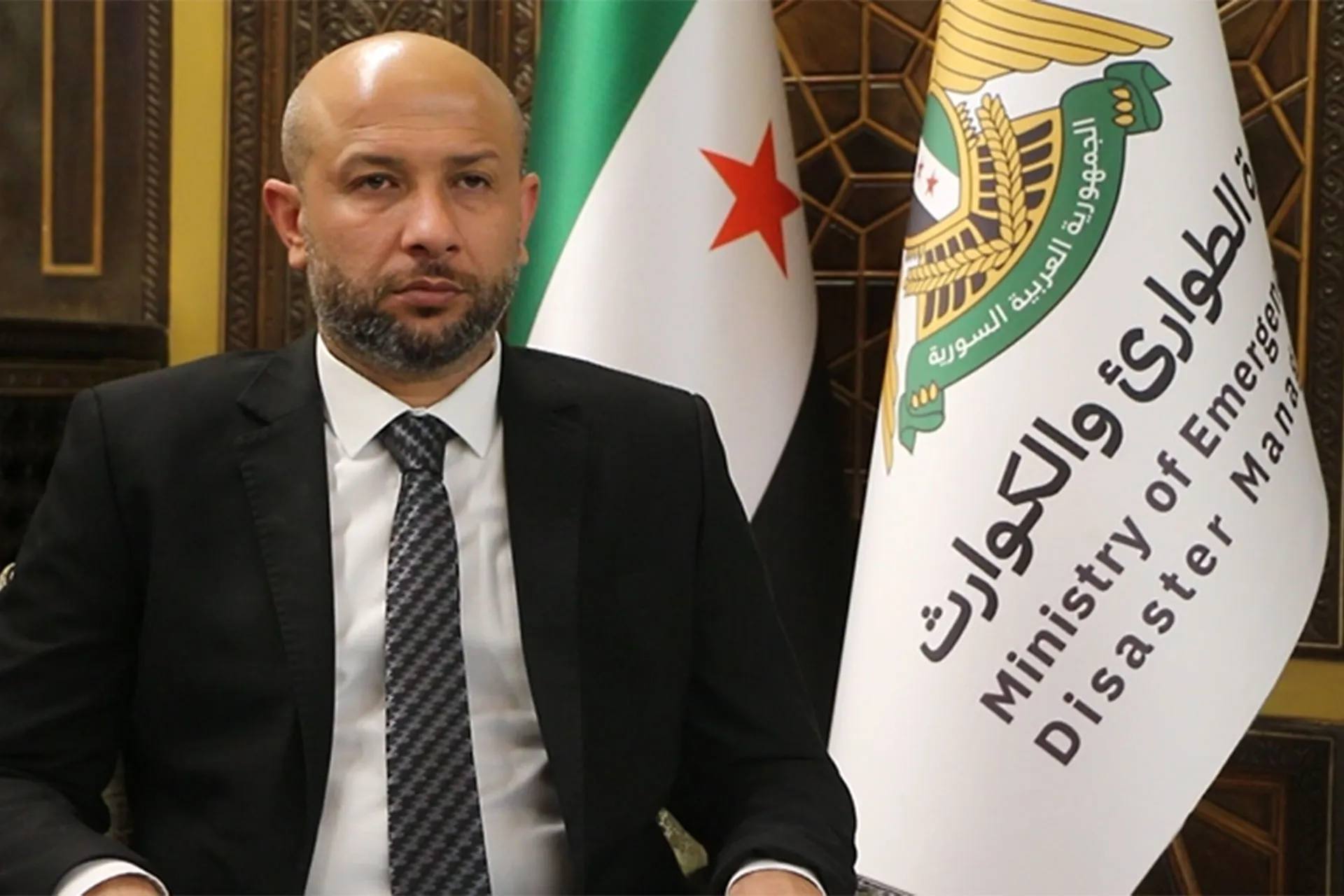
 Syria’s Minister of Emergency and Disaster Management, Raed al-Saleh, announced a new national wildfire response plan titled “Your Awareness is Your Work” as the country prepares for the summer fire season.
In a video message posted on the ministry’s official Facebook page, Saleh reflected on the challenges authorities faced during last year’s devastating fires. He said emergency teams struggled to contain the blazes and credited residents in affected areas for supporting response efforts.
Saleh said the ministry has already begun implementing preventive measures after securing the approvals needed for the plan. He stressed that public cooperation will play a key role in limiting fire damage this year. He urged residents to clear dry grass and weeds from roadsides and to report fires quickly when they occur.
The minister also linked wildfire prevention to food security, noting that protecting agricultural land and crops remains a national priority. He called on citizens to support emergency crews throughout the summer mobilization period and urged caution during the harvest season, including avoiding smoking or lighting fires near farmland. He also reminded the public to extinguish campfires completely before leaving forested areas.
Expanded Resources and Early Warning Systems
In an interview with Al-Akhbariya Channel, Saleh said the plan aims to protect lives, property and the environment while improving the speed and effectiveness of emergency responses. The ministry has activated a 50% staff mobilization that will remain in place through the end of summer.
Authorities also secured more than 1,000 vehicles and water tankers through seasonal contracts to strengthen firefighting operations. In addition, approximately 1,200 local residents have joined prevention and response efforts as part of the ministry’s expanded seasonal preparedness campaign.
Saleh also announced plans to install early warning systems and fire detection sensors across roughly 4,000 hectares of forest in Syria’s coastal mountain regions. Officials hope the technology will improve early detection and allow firefighters to respond before fires spread widely.
Last Year’s Fires Left Widespread Damage
Last year, Syria experienced some of its worst agricultural and forest fires in recent years, particularly in the countryside of Latakia, where flames destroyed over 15,000 hectares of farmland and forest. Extreme heat and drought fueled the fires, forcing hundreds of residents to flee while emergency teams battled difficult weather conditions.
The fires spread across several areas in the Latakia countryside, including Jabal al-Turkman, Rabia, Ain al-Ghazal and Salma, before reaching parts of the Homs countryside, including Wadi al-Nasara and Habnamra. Reports estimated that between 10,000 and 15,000 hectares burned, accounting for more than 3% of Syria’s forest cover.
According to the Syrian Civil Defense, 11,700 fires were recorded nationwide last year, including about 2,500 wildfires that damaged forests, agricultural land and woodland areas. Large sections of cypress, pine and oak trees were destroyed alongside nearby crops.
The fires displaced more than 1,100 people and caused widespread electricity and water outages in affected communities. Two Civil Defense personnel also died during firefighting operations.
The scale of the destruction highlighted the growing environmental and agricultural risks posed by increasingly severe wildfire seasons in Syria.