Syria has faced a worsening water crisis for more than a decade, with unlicensed well drilling emerging as one of the most significant challenges to the country’s water sector. Scarce rainfall, increasing demand, and widespread unauthorized drilling have accelerated the depletion of groundwater reserves, threatening both drinking water supplies and agricultural irrigation. In response, authorities have begun tightening regulations and pursuing long-term solutions.
Eastern Ghouta Among Hardest-Hit Areas
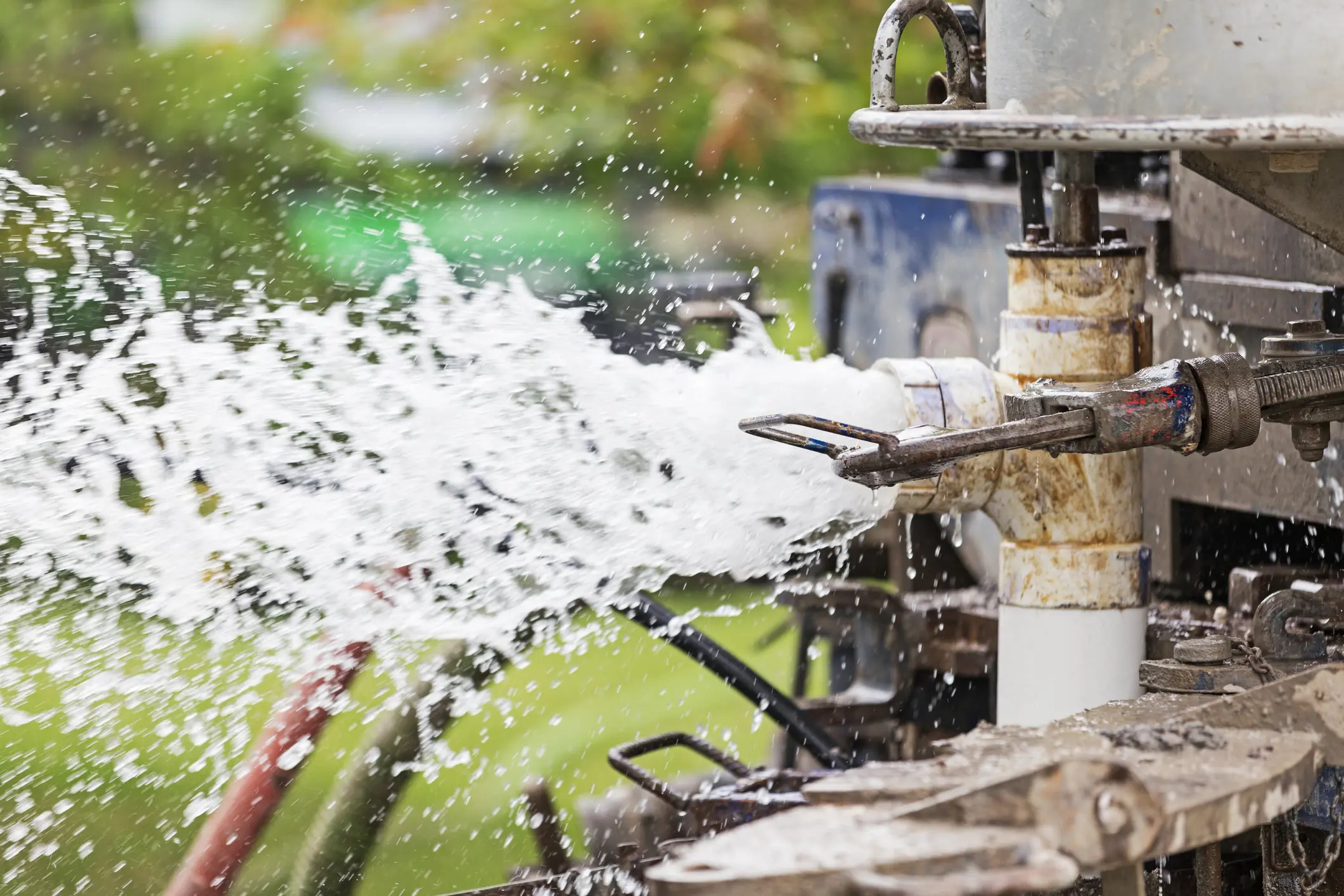
The Directorate of Water Resources in Damascus and Rural Damascus says the scale of the problem is substantial. Officials estimate Rural Damascus contains approximately 50,000 unlicensed wells, compared with only 14,500 licensed wells. Eastern Ghouta, along with the towns of Zabadani and Kiswah, ranks among the areas most affected by the phenomenon.
According to the directorate, uncontrolled drilling poses a serious threat to both groundwater and surface water resources. The practice expanded significantly during years of conflict, when weakened oversight allowed widespread violations. As a result, groundwater levels have fallen sharply, while many springs and shallow wells have dried up completely.
Abu Ahmad Doghmosh, a real estate agent from Mlaiha in Eastern Ghouta, told Levant24 residents and farmers increasingly relied on illegal wells to secure drinking water and irrigation as public water networks suffered interruptions and rainfall declined. He added large areas of agricultural land have been converted into villas and private estates, many of which include swimming pools placing additional pressure on already strained groundwater reserves.
Authorities Strengthen Enforcement Measures
To address the crisis, authorities are working to amend Legislative Water Law No. 31 of 2005, with particular attention to increasing penalties for violations. Officials are also tightening procedures related to unauthorized well drilling and water use.
The construction or renovation of new swimming pools is currently prohibited, with violations subject to fines and closure orders. Regulatory committees intensified efforts to confiscate unlicensed drilling equipment, backfill illegal wells, and refer offenders to the judiciary. Recent enforcement campaigns have also targeted unauthorized swimming pools.
Property Owners Question Restrictions
Not all residents support the government’s approach. Amer al-Batl, a 60-year-old landlord in Eastern Ghouta who is rebuilding a farm that includes a swimming pool, described the measures as unfair. Speaking to Levant24, Batl said authorities have the right to impose additional fees and taxes on newly constructed farms and pools.
However, he argued, property owners should also have the right to rebuild farms damaged during the conflict. He also challenged public criticism of swimming pools, saying claims that they are frequently emptied and refilled are inaccurate. “Swimming pools are filled at the beginning of summer and emptied at the beginning of winter, and their water is then used to irrigate trees and agricultural land,” he said.
Batl added such farms attract tourists and Syrian expatriates seeking family accommodations outside crowded hotels. He argued authorities should establish a legal process for new wells rather than allowing a system in which some property owners resort to paying bribes to bypass regulations and drill deeper wells reaching depths of 100 to 150 meters.
As officials continue efforts to protect Syria’s shrinking water resources, the debate highlights the challenge of balancing environmental sustainability with the needs of residents, farmers, and property owners.