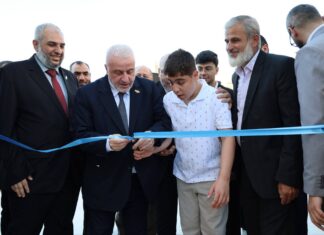
 The Syrian Clothes Bank charity opened its doors in Damascus to support underprivileged families and children, offering an experience transcending receiving free clothing. The initiative gives beneficiaries the ability to choose their own garments, restoring a sense of dignity and personal agency many lost during years of war and economic hardship.
Launched by the Hazhi Hayati (This Is My Life) volunteer group after successful experiences in Jordan, Germany and the United States, the project now operates in Damascus in cooperation with the Ministry of Social Affairs and Labor, which provided the facility for the initiative.
A Model Built on Respect and Choice
Speaking to Levant24, Syrian Clothes Bank Director Firas Osman said the project grew out of the group’s successful work in Jordan. After evaluating needs inside Syria, organizers developed the clothing bank as a way to preserve the dignity of both donors and recipients.
Rather than distributing clothing randomly, volunteers carefully sort all donated items. They set aside garments that cannot be used and send them for recycling, while displaying quality clothing in an organized setting where visitors can browse and select what they need.
Osman emphasized the ability to choose is a fundamental right. He told Levant24 that restoring dignity should extend to all aspects of daily life, including clothing, food and other basic necessities. The approach has resonated with many residents. Donation boxes across Damascus frequently fill with freshly washed and neatly prepared items, reflecting donors’ efforts to contribute clothing in the best possible condition.
Volunteers Create a Family Atmosphere
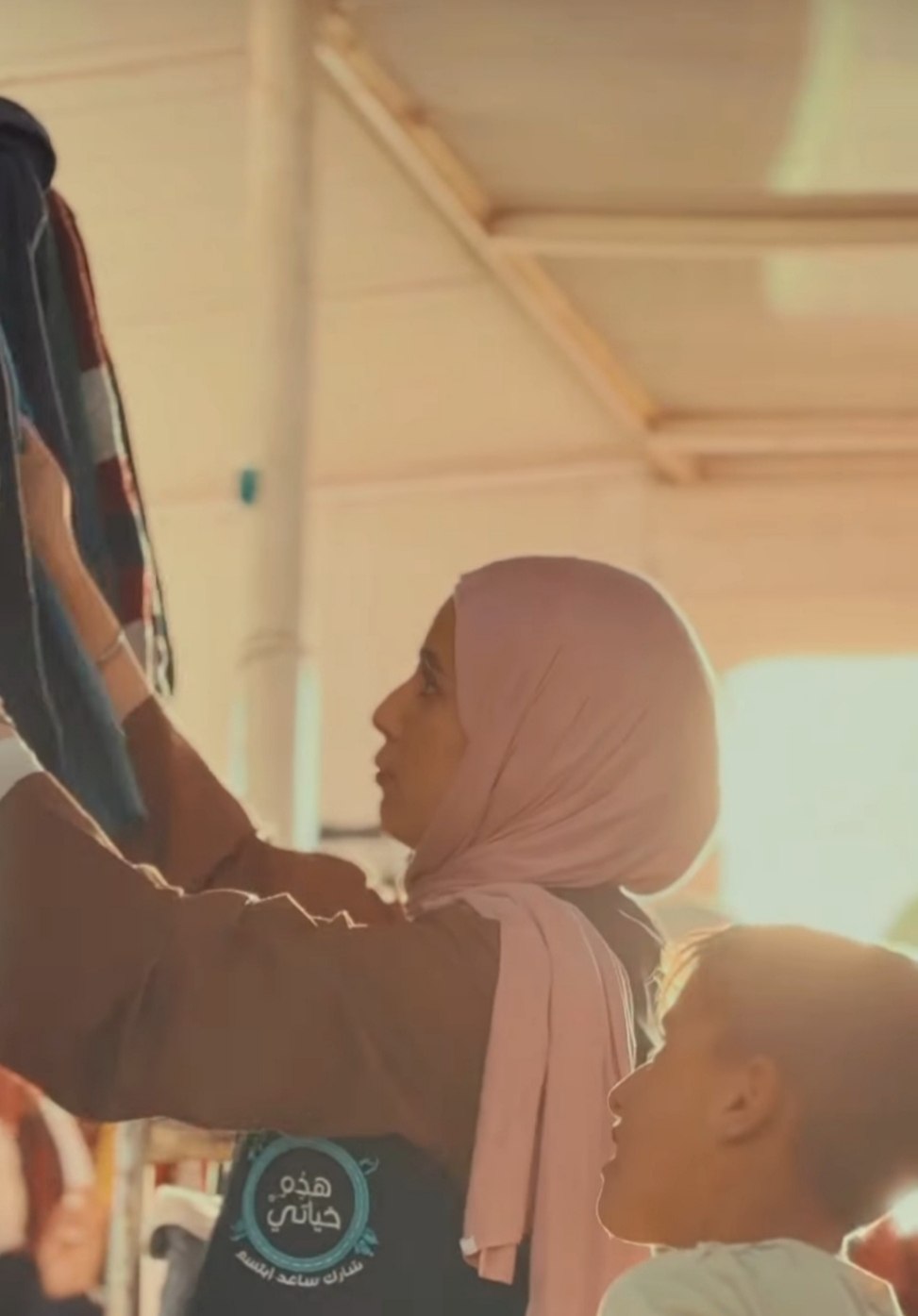
The bank’s headquarters has become a center of volunteer activity known among participants as the “Family Home.” Volunteers and their relatives contribute their time and effort without financial compensation, creating an environment built on solidarity and mutual support.
Speaking to Levant24, volunteer Bayan Rabat said the experience changed her perspective and strengthened her appreciation for giving. She added beneficiaries often bring volunteers as much happiness as they receive themselves.
Other volunteers expressed similar feelings. Maria Shaaban described the project as “love and goodness in every sense of the word,” while Haneen al-Khouli said she immediately felt a sense of belonging in a place marked by warmth and familiarity. Marah Amin noted seeing donated clothes reach people directly brings a unique sense of fulfillment, making the center a meaningful part of her daily life.
Expanding Into a Community Charity Mall
Organizers hope the project will eventually grow into a four-story facility known as the Hazhi Hayati Charity Mall. According to Osman, the vision would allow families to use complimentary shopping vouchers valued between $200 and $300 to obtain goods in a setting similar to a commercial shopping center.
Plans include a food bank on the first floor, a clothing bank on the second, and upper levels featuring cafes, restaurants and children’s play areas. Project leaders say achieving this goal will require support from civil society organizations, private-sector partners and sustainable funding sources.
The initiative’s founders believe civil society will play a central role in Syria’s recovery. They view community-driven efforts as essential for addressing social needs and helping rebuild the country in the years ahead.