 Israeli violations in southern Syria have continued since the fall of the Assad regime, with repeated incursions into border communities and growing restrictions on civilian movement. Alongside these developments, dozens of residents from Quneitra, Daraa and the western Damascus countryside have reportedly been detained.
While some detainees returned home after spending days or weeks in custody, many families say they still have no information about the fate of their relatives. Relatives and local activists repeatedly called on the UN and human rights organizations to help determine the whereabouts of those missing and work toward their release.
Detention at Sde Teiman
Abu Kinan al-Sayyid, a resident of Quneitra province, told Syria TV Israeli forces detained him, his brother, his nephew and son near the town of Khan Arnabeh on Nov. 15, 2025. He said authorities later transferred them to Sde Teiman prison in Israel’s Negev Desert, a facility described in some media reports as “Israel’s Guantanamo.”
According to Sayyid, the group remained in detention for roughly 65 days before authorities released them. He said approximately 45 Syrian detainees were being held at the prison during his detention. “They would place every detainee in solitary confinement from the first day until the interrogation, then transfer him to a dormitory designated for his nationality,” Sayyid said.
He described the uncertainty surrounding detention as one of the most difficult aspects of the experience. “The suffering is being far from your family and your country, knowing nothing about your fate, why you were taken to the occupied territories, or what will happen to you,” he said.
Interrogations Focused on Regional Networks
Accounts from several recently released detainees indicate interrogations centered on Iranian influence in southern Syria, local social connections and Hezbollah’s previous presence in the region. Former detainees said those arrested were civilians carrying out routine daily activities and had no known involvement in military or security affairs.
One 23-year-old man from Jabata al-Khashab said occupation forces abducted him while he was herding livestock. During questioning, investigators focused on alleged links to Hezbollah and asked about the group’s activities in Quneitra province. The former detainee said he was unable to provide meaningful information because he had been a student during the period when Hezbollah maintained a presence in the area.
Several detainees also reported being shown maps and asked to identify villages, homes and individuals believed to have connections to Iran or Hezbollah. Questioning extended beyond security matters and included political topics such as opinions on Syria’s current government, the previous regime and Bashar al-Assad.
Families Seek Answers
Although several detainees returned home, many say the experience left lasting psychological effects. Former detainee from Jabata al-Khashab said authorities transferred him to another facility after his initial interrogation, where he shared a cell with 10 other Syrians. He said investigators repeatedly asked the same questions before requesting his phone number and home address.
Sayyid described his detention as “a form of torment,” adding many Syrians held in Israeli prisons are laborers and low-income workers with no organizational affiliations. According to his account, some detainees have remained in custody for over six months.
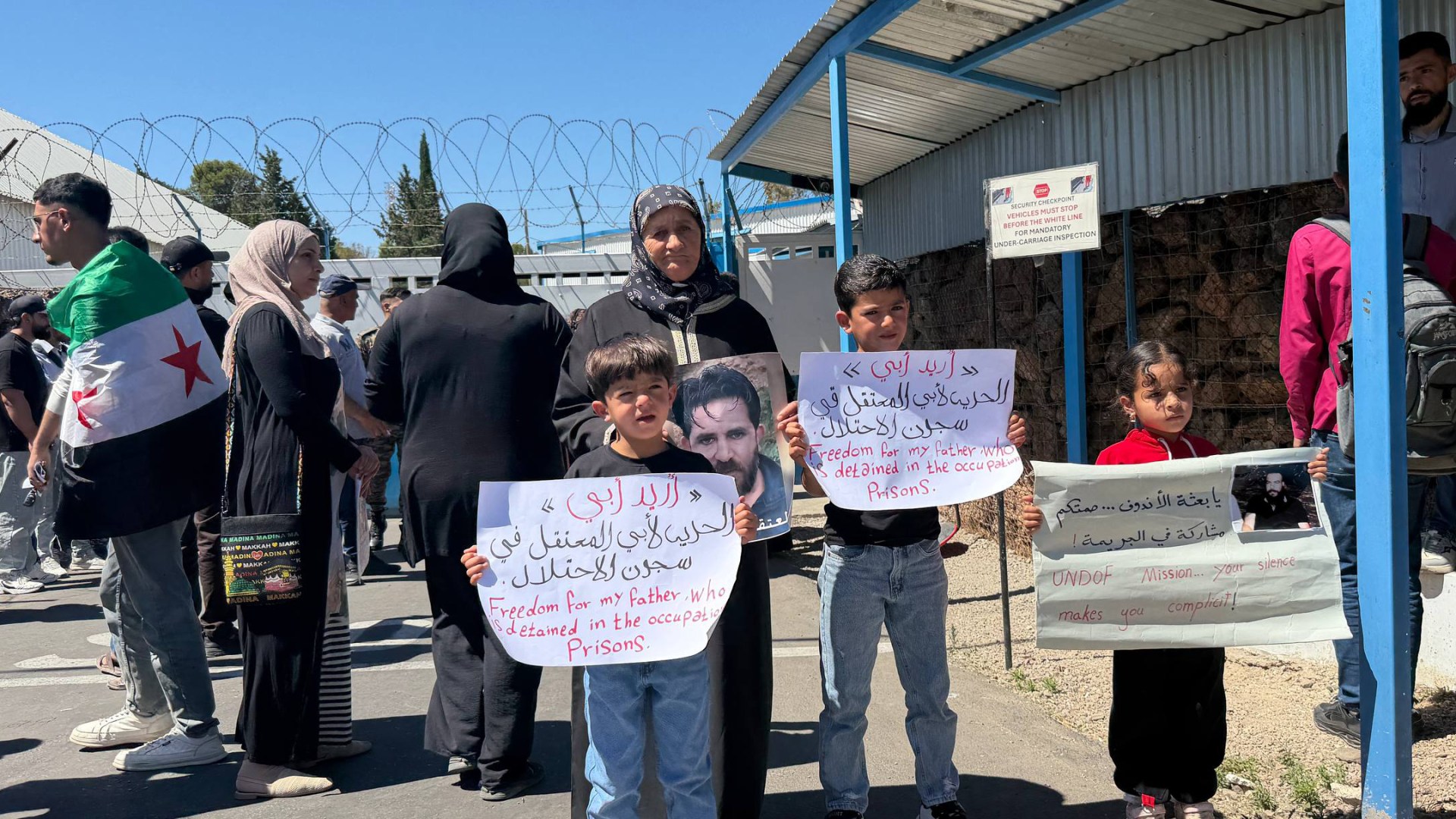
His testimony comes as families of detainees and missing persons continue demonstrations outside UN facilities in Quneitra and Damascus. Relatives say 47 Syrians, including students, teachers and farmers, remain detained or forcibly disappeared. Families call for greater international attention and continue to urge the UN and other international bodies to help clarify the fate of those still missing and secure their release.