Syria’s transitional justice process reached a significant milestone this week as courts in Damascus opened proceedings against some of the most prominent figures associated with the former Assad regime. The trials of former Grand Mufti Ahmad Badruddin Hassoun and Bashar al-Assad’s cousin, Wassim al-Assad, mark a new phase in efforts to hold former regime officials and supporters accountable after decades of impunity.
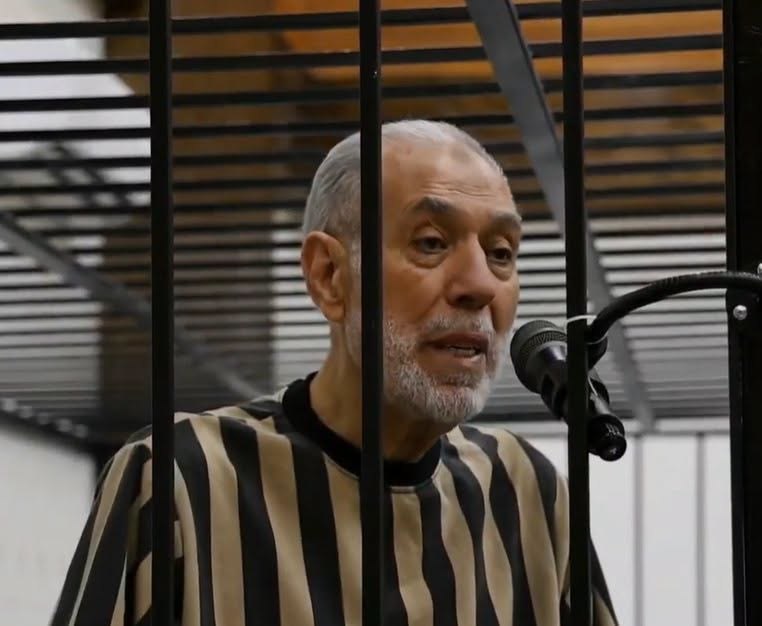
The Fourth Criminal Court at the Palace of Justice in Damascus convened its first session June 25 in the case against Hassoun, who served as Syria’s Grand Mufti under Bashar al-Assad. According to the indictment read in court, Hassoun faces charges including complicity in war crimes, crimes against humanity and incitement to murder during Syria’s conflict.
The hearing was attended by the attorney general and representatives from local and international human rights organizations, while the Ministry of Justice broadcast portions of the proceedings live on its official Facebook page.
Prosecutors Detail Allegations Against Former Mufti
The prosecution argues Hassoun used his position as Syria’s highest religious authority to provide religious and political legitimacy for the actions of the Assad regime, its allies and affiliated militias. Court documents allege he encouraged violence against civilians, praised military commanders accused of war crimes and publicly supported Russian and Iranian intervention in Syria.
Judge Fakhruddin al-Arian, who presided over the session alongside Judges Abdulhamid al-Hamoud and Hussam Abdurahman, stated that Hassoun’s repeated public statements allegedly encouraged attacks against civilian areas opposed to the government while providing justification for crimes committed during the conflict.
Attorney General Hassan al-Turba argued the case was “not for an ordinary person,” but for someone who occupied a prominent religious office and, according to prosecutors, used that position to legitimize violence rather than promote peace.
Among the allegations presented in court were claims that Hassoun lectured military officers in support of the regime, threatened civilians in the lilberated areas and maintained close relationships with senior security officials, including former intelligence chief Ali Mamlouk. The court adjourned the proceedings until July 16, when defense arguments and witness testimony are expected to continue.
Parallel Cases Target Former Regime Figures
One day earlier, the same court opened proceedings against Wassim al-Assad, a cousin of the Assad who has long been associated with allegations of Captagon trafficking and organized criminal activity during the Assad era.
According to SANA, Wassim faces charges related to drug trafficking, war crimes, crimes against humanity and other criminal offenses allegedly committed under Assad’s regime. Witness testimony began during the opening session.
Syrian authorities arrested Wassim June 21, 2025, as part of ongoing efforts to investigate individuals accused of crimes committed before the Assad’s fall.
The cases against Hassoun and Wassim are part of a broader series of prosecutions now underway before the Fourth Criminal Court. Proceedings have also continued against former Political Security chief Atef Najib and informant Abdulnasir Baraq.
A Test of Syria’s Judicial Transition
Syrian authorities describe the prosecutions as part of the country’s transitional justice framework following the fall of the Assad in 2024. Attorney General al-Turba said the objective is ensuring accountability for those accused of crimes against the Syrian people while protecting the rights of victims and their families through judicial proceedings.
The charges against Hassoun also demonstrate a key legal principle emphasized by the court. Judges noted war crimes and crimes against humanity are not subject to statutes of limitation and cannot be erased through amnesty because of their gravity under international law.
For many Syrians, the proceedings represent one of the first public tests of whether institutions that once protected powerful regime figures can now deliver justice through an independent legal process after decades in which senior officials and influential allies largely operated without fear of prosecution.