By: Pieter Van Ostaeyen
Pieter Van Ostaeyen is a historian and Arabist specializing in modern Middle Eastern affairs, with a particular focus on Syria and jihadist movements. He is currently a PhD candidate in Arabic and Islamic Studies at KU Leuven. His research explores conflict dynamics, insurgency, and regional power competition. In this article for Levant24, Van Ostaeyen examines how Syria is impacted by escalating tensions between Iran, Israel, and the US. While no longer at the center of open conflict, he argues Syria remains deeply vulnerable to indirect effects of regional instability, facing a fragile mix of economic collapse, security risks, and geopolitical pressure.
______________________________
The escalating confrontation between Iran, Israel, and the United States is reshaping the Middle East. Syria is not a central battlefield in this war, but that does not mean it is untouched. On the contrary, the country is absorbing the indirect shocks of a regional war it is trying hard to avoid.
This uneasy position, neither fully involved nor fully insulated, may prove unsustainable.
A Fragile State on the Sidelines
Syria enters this phase from a position of extreme fragility. Its economy has contracted by more than 60% since 2011. Over 90% of the population lives below the poverty line. More than 6.5 million people remain internally displaced. These are not just statistics; they are structural vulnerabilities that amplify every external pressure.
Militarily, Damascus has adopted a strategy of restraint. Unlike earlier phases of the Syrian war, when the country served as a hub for proxy war, the government now appears intent on limiting escalation. Yet restraint does not equal control. Israel has conducted hundreds of airstrikes in Syria over the past decade, targeting Iranian-linked positions. These operations continue, underscoring a simple reality: Syrian territory remains strategically relevant whether Damascus wants it or not.
Echoes of Past Conflicts
History offers a warning. Southern Lebanon has long functioned under similar conditions, limited engagements punctuated by sudden escalation. The 2006 war between Israel and Hezbollah began with a localized incident but rapidly expanded. Syria, with its porous borders and fragmented security landscape, faces comparable risks.
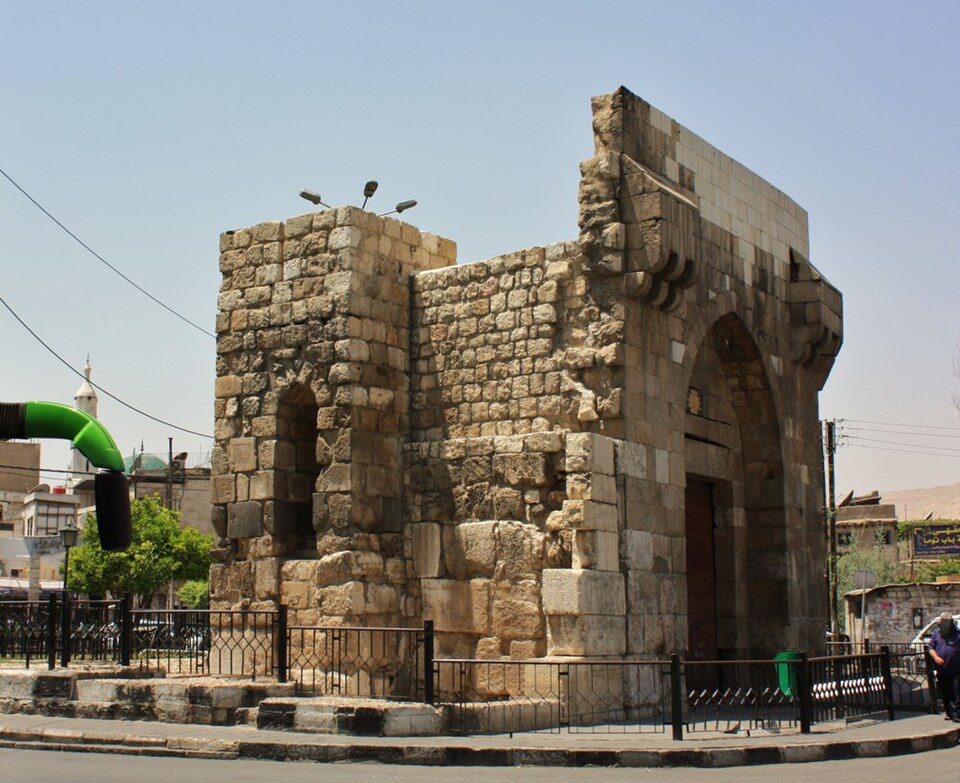
Internally, the picture is no less complex. While the government has regained control over much of the country, security remains uneven. Networks linked to militias and regional actors continue to operate, particularly along the Iraq–Syria corridor. Even in the capital, stability is not guaranteed. A recently foiled plot in the Christian area of Damascus near Bab Touma is a reminder that the lines between external conflict and internal security are dangerously thin.
At the same time, the Islamic State group, though territorially defeated, has not disappeared. Its shift toward insurgency mirrors patterns seen in Iraq after 2011, where periods of instability enabled its resurgence. Syria’s current conditions could provide similar openings.
Economy on the Brink
If the military and security risks are concerning, the economic situation is far more immediate. The Syrian pound has collapsed from around 50 to the dollar in 2011 to well over 10,000 today. Inflation has surged into triple digits. For ordinary Syrians, this translates into a daily struggle to afford food, fuel, and basic necessities.
Rising global energy prices, driven in part by regional instability, have compounded the crisis. As a fuel-importing country, Syria is acutely exposed. Shortages disrupt transportation, agriculture, and electricity generation. The result is a cascading economic paralysis that resembles Lebanon’s post-2019 collapse, though without even the limited financial buffers Beirut once had.
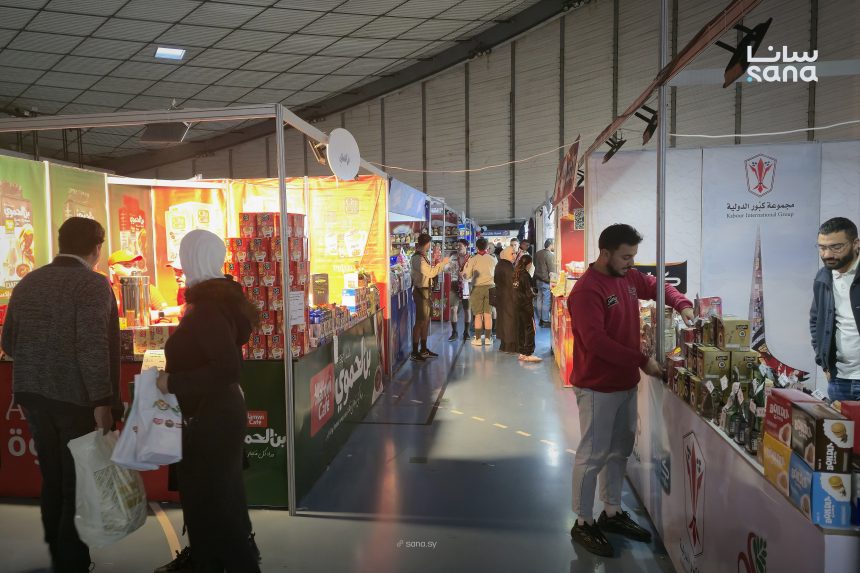
This economic stress feeds directly into the humanitarian crisis. More than half the population depends on aid, while over 12 million people face food insecurity. Meanwhile, declining international funding threatens to widen the gap between needs and available resources. In this respect, Syria increasingly resembles Lebanon: not a sudden catastrophe, but a slow-burning emergency driven by overlapping pressures.
A Slow-Burning Crisis
What makes the situation particularly dangerous is not the likelihood of a single decisive event, but the accumulation of risks. A cross-border strike could trigger retaliation as Israeli airstrikes on Iranian-linked targets in Syria, for example, have repeatedly been followed by proxy or indirect retaliation, raising the risk of a broader confrontation.
Economic decline could spark unrest because Syria’s ongoing economic collapse, marked by currency depreciation and subsidy cuts, has already triggered protests in areas like Suwayda, where demonstrations in 2023–2024 reflected how economic pressure can quickly translate into political dissent.
A localized security incident could reignite sectarian tensions; clashes in northeastern Syria involving Kurdish-led forces such as the Syrian Democratic Forces and Arab tribal groups have shown how isolated incidents can inflame ethnic and sectarian divisions, particularly in fragile regions like Deir Ezzor. Each scenario is manageable in isolation; together, they form a volatile system.
Opportunities Amidst Risks
There are, in theory, opportunities. Disruptions to maritime trade in the Strait of Hormuz and potentially in the Red Sea off the coast of Yemen have renewed interest in overland routes linking the Gulf to Europe. Syria’s geography could position it as a transit corridor. But such prospects remain largely hypothetical. Infrastructure is damaged, investment is scarce, and political risk remains high. Without meaningful reform and stability, these opportunities will not materialize.
Syria today is caught in a paradox. It is no longer at the center of regional war, yet it cannot escape its gravity. Neutrality offers some protection, but not immunity.
The real danger is not sudden collapse, but gradual erosion. Each external shock, military, economic, or political, chips away at an already fragile state. Over time, this slow pressure may prove more destabilizing than open conflict.
The question is not whether Syria can avoid war in the short term. It is whether it can withstand the pressures of a war unfolding all around it.
For now, the country remains on the edge, neither fully at war, nor truly at peace.