The Syrian government has launched a series of high-profile arrests aimed at holding accountable former regime figures accused of war crimes and abuses against civilians. The crackdown signals a growing effort by the post-Assad leadership to distance itself from the legacy of repression and fulfill promises of justice.
Authorities confirmed this week the arrest of Col. Ammar Muhammad Ammar, a former officer in the notorious State Security apparatus. Accused of overseeing torture and enforced disappearances while serving in the Khatib and Arbaeen branches—facilities long associated with systematic abuse during Assad’s rule. The arrest was carried out by the Internal Security Command in Latakia, in coordination with the Ministry of Defense’s 50th Division, according to a statement published by state-affiliated media.
Arrests Include Former Ministers and Officers
The Ministry of Interior (MOI) announced the arrest of Brig. Gen. Riad Hamdo al-Shahadah, former head of the Political Security Branch in Damascus. Officials accused him of authorizing mass arrests and the execution of civilians during Syria’s revolution. His arrest follows that of several other former senior officers, including Brig. Gens. Daas Hassan Ali, Rami Munir Ismail and Muwaffaq Nazir Haidar.
Commander of Internal Security in Latakia, Abdulaziz al-Ahmad, said the arrests followed “qualitative operations” that unearthed compelling evidence of abuse. “These individuals were found to be directly involved in systematic violations, including torture, disappearances and extrajudicial killings,” he said.
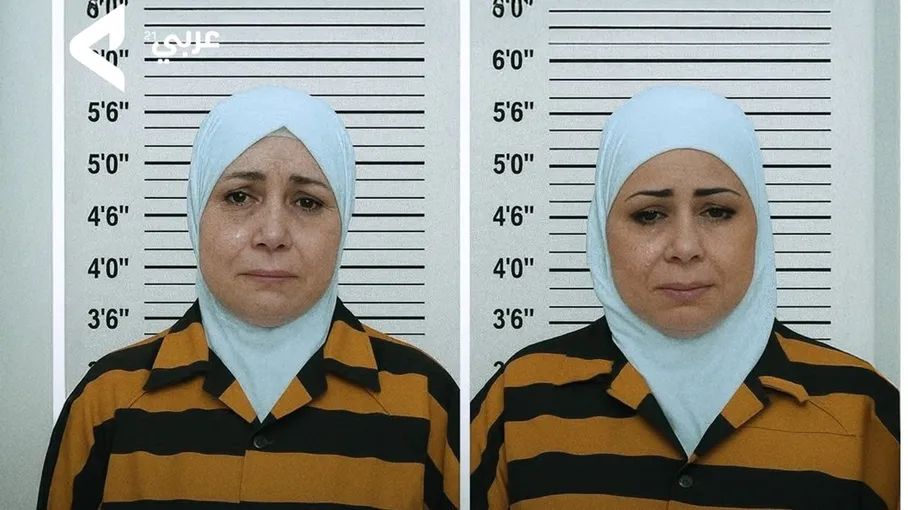
Former Ministers of Social Affairs and Labor Kinda Shamat and Rima al-Qadiri were detained for their alleged role in the enforced disappearance of children separated from detained parents. Human rights organizations have long reported that thousands of children vanished after being placed in state institutions under the previous regime. Shamat was dismissed in 2020 after public backlash over her ties to controversial military figures.
Push for Accountability Extends to Present Abuses
The government’s campaign is not limited to past crimes. On July 8, the MOI announced the arrest of a recently appointed security officer who was filmed shooting a minibus driver in Damascus. The officer faces prosecution and dismissal. This incident, widely circulated online, prompted swift public outcry. The ministry reaffirmed its “absolute rejection of any violations that undermine citizens’ dignity or the prestige of the state.”
In a broader move, the government dismissed 200 internal security members in Daraa Governorate earlier this month for misconduct. It also launched a network of complaint offices for citizens to report abuse by security personnel, with the first branch opened in Damascus and others planned in Aleppo, Latakia, Homs and Deir Ezzor.
A Shift Toward Reform
Arrests and reforms reflect the government’s attempt to confront past impunity and establish a new standard of accountability. Ministry spokesman Nouruddin al-Baba said the restructuring of internal security aims to “correct past failures and strengthen professionalism.”
As the country moves forward from years of conflict, these actions mark a decisive break from the policies of intimidation and unchecked power that defined the Assad era. Whether they will deliver long-term justice remains to be seen, but Syrians are watching closely.