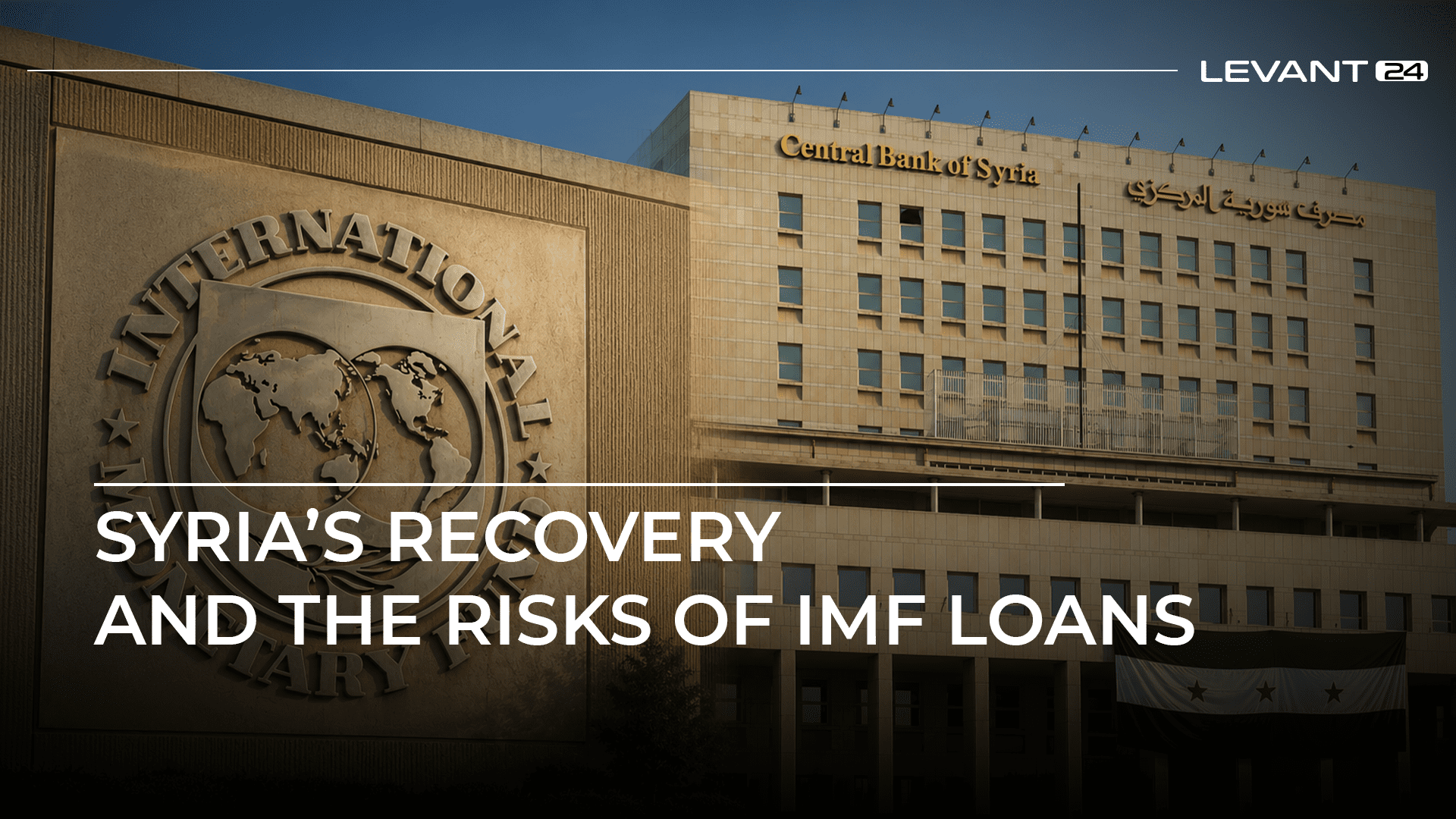
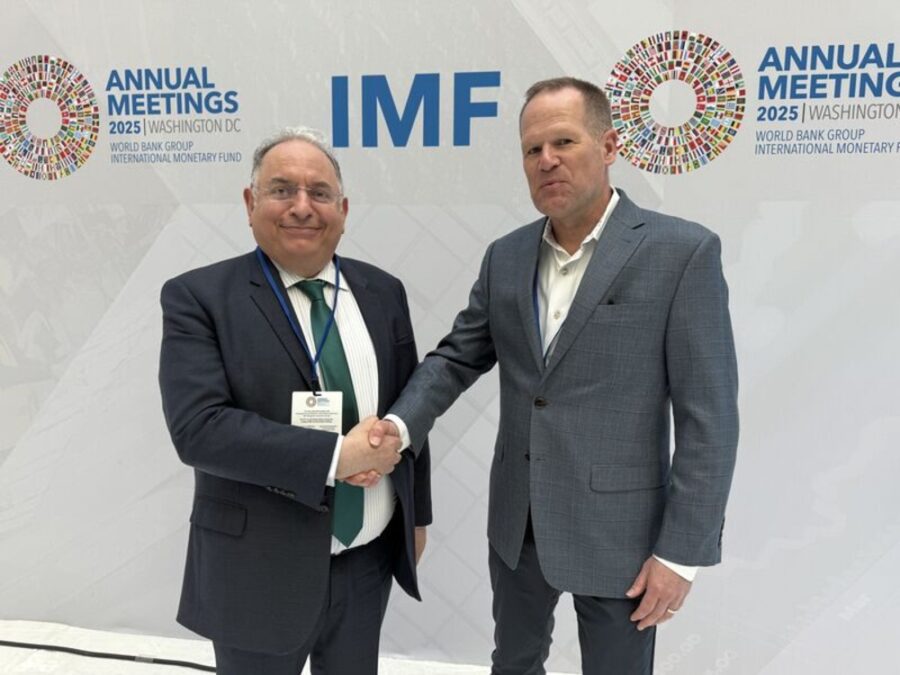
Syrian officials sat across from International Monetary Fund (IMF) representatives in Damascus, outlining a recovery strategy built on restraint rather than rapid borrowing. In November 2025, after years of war and economic collapse, Syria’s transitional leadership signaled rebuilding the country would require foreign assistance, but not at the cost of surrendering economic control.
Rebuilding a Shattered Nation
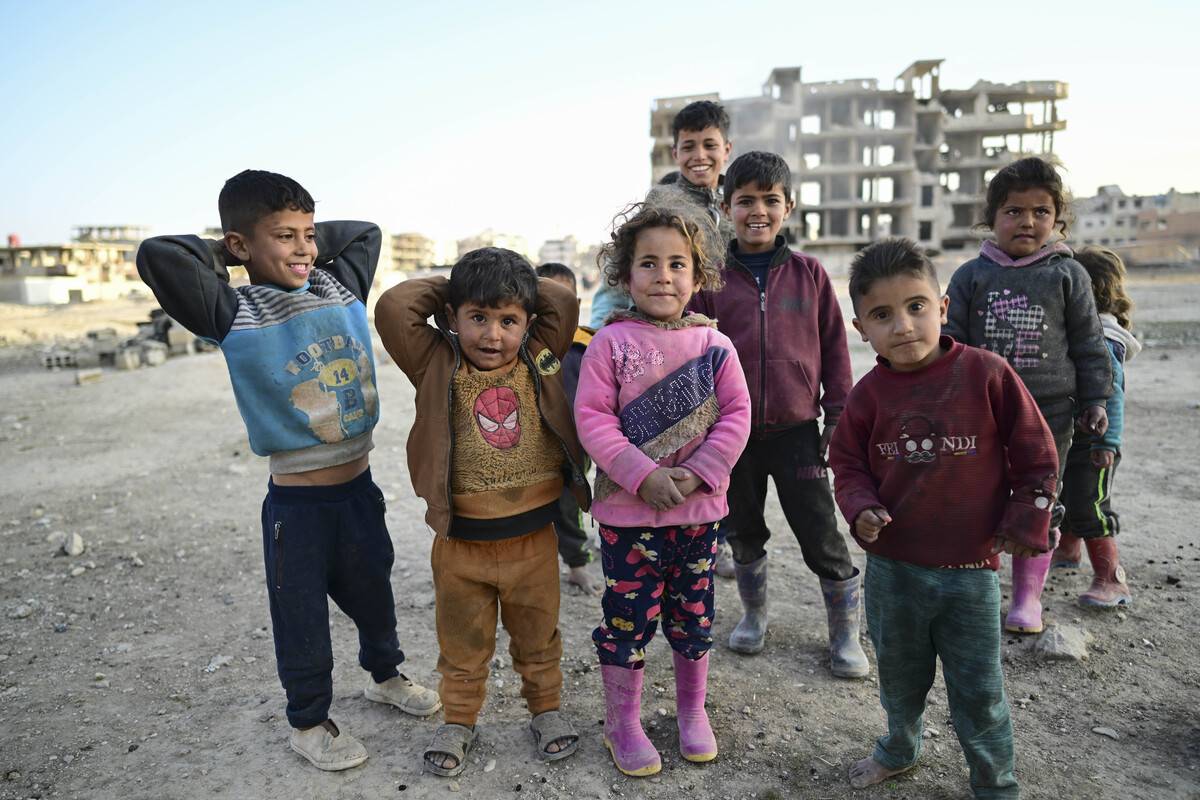
Syria’s economy shows early signs of stabilization, but the scale of its needs remains immense. Infrastructure and public services are damaged and strained. Millions of citizens continue to rebuild their lives after displacement. The UN Development Program found over 90% of Syrians live below the poverty line, raising concerns austerity measures tied to IMF programs could deepen hardship for vulnerable households.
The government adopted tight fiscal and monetary policies, maintaining stability despite Syria’s limited fiscal capacity. Estimates place the country’s annual state budget between $10 and $12 billion, while the economy remains half its pre-war size with losses over $800 billion.
The IMF pledged extensive technical assistance, focusing on tax reform, public financial management and rebuilding financial institutions. Meanwhile, the World Bank Group (WBG) backed over $1 billion in grant-funded projects aimed at infrastructure and reform.
Grants, unlike loans, do not add to the country’s debt burden. Still, the gap between available resources and actual needs remains wide. Part of Syria’s strategy to avoid large-scale borrowing has involved building alternative funding mechanisms. One example is the Syrian Development Fund (SYDF), a national reconstruction institution focused on infrastructure, economic recovery and community investment.
Economist Karam Shaar wrote on the X platform that SYDF has secured over $40 million in paid donor contributions while gaining the trust of organizations including the Saudi Development Fund, Germany’s GIZ and the International Finance Corp. The fund, says Shaar, has emphasized transparency through public reporting and internationally accessible donation systems despite ongoing banking restrictions.
WBG estimates place Syria’s reconstruction costs at as much as $400 billion, far beyond currently available grant funding and one reason external financing options, including IMF loans, remain under discussion.
Loans Within Reach
The IMF, created to provide financial support to countries facing economic crises, often acts as a lender of last resort. In Syria’s case, the institution has not extended a loan program, but its engagement signals such financing could be an option.
Loan programs typically come with policy conditions aimed at stabilizing economies. These include fiscal consolidation, monetary reforms and structural changes such as privatization or trade liberalization. The IMF says these measures are designed to promote long-term growth and financial stability.
The WBG asserts Syria’s economic recovery remains weak, with projected growth hovering near 1% in 2025 after years of contraction. IMF loans may provide immediate liquidity while signaling confidence to international investors. They would possibly accelerate reforms, particularly in areas such as tax policy and banking regulation.
A Limited Success Story
Some countries have seen partial gains from IMF-backed reforms. In Tunisia, structural adjustment programs in the late 20th century helped reduce inflation and stabilize public finances. IMF and WBG data cited by the Middle East Research Project show Tunisia improved several macroeconomic indicators, including debt management and price stability.
Tunisia expanded trade and attracted foreign investment during parts of the reform period. IMF officials have long pointed to those outcomes as evidence that disciplined fiscal reforms can help stabilize struggling economies and restore international confidence.
Yet even in Tunisia, improvements were uneven. Growth rates did not fully recover to pre-crisis levels, and challenges like unemployment persisted. While reforms produced measurable gains, they depended heavily on sustained foreign support without fully resolving structural economic problems.
A Record of Harm and Backlash
Critics argue Tunisia represents the “best-case” scenario. In other countries, IMF-backed reforms have triggered severe political and social backlash. During the 1980s and 1990s, IMF programs imposed across developing regions emphasized austerity, privatization and reduced public spending. According to the Bretton Woods Project, these policies contributed to weakened health systems and long-term economic instability.
Open Democracy covered protests in Kenya highlighting public anger over IMF-backed measures. Demonstrators opposed tax increases and spending cuts tied to an IMF-supported finance bill, with slogans such as “IMF keep your hands off Kenya.”
Critics argue IMF conditions often place recovery on ordinary citizens through subsidy cuts, wage freezes or higher taxes. Supporters counter fiscal reforms are necessary to stabilize economies facing debt crises. Still, IMF programs continue to face skepticism in many post-conflict states where social unrest remains a major risk.
Risks for a Fragile Transition
For Syria, the stakes are unusually high. The country is emerging from over a decade of conflict, with institutions still rebuilding and public trust in governance still fragile. Accepting IMF loans could provide short-term relief, but it would also introduce new risks.
Measures tied to IMF lending could require subsidy reductions or spending restraints risking worsening conditions for a population already facing widespread poverty. Structural reforms, while potentially beneficial in the long term, may prove difficult to implement in a politically sensitive environment. In terms of debt, new obligations may limit Syria’s future policy flexibility, especially if economic recovery does not proceed as expected.
A Calculated Refusal
So far, Syria’s transitional government has signaled caution. While it has welcomed technical assistance from the IMF, it has not moved toward borrowing. Instead, officials have emphasized grants, domestic reforms and gradual reintegration into global markets.
Given the mixed record of IMF programs and Syria’s precarious condition, that restraint reflects a calculated choice. The potential benefits of IMF loans exist, but so do the risks of austerity, social unrest and long-term dependency. For a nation still rebuilding from war, the margin for error is narrow. Syria needs capital, but not at any cost. In this case, evidence suggests the risks of IMF borrowing may outweigh the rewards.