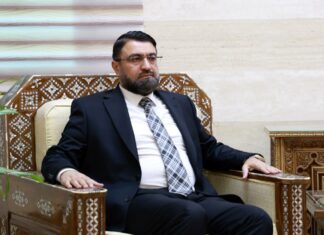
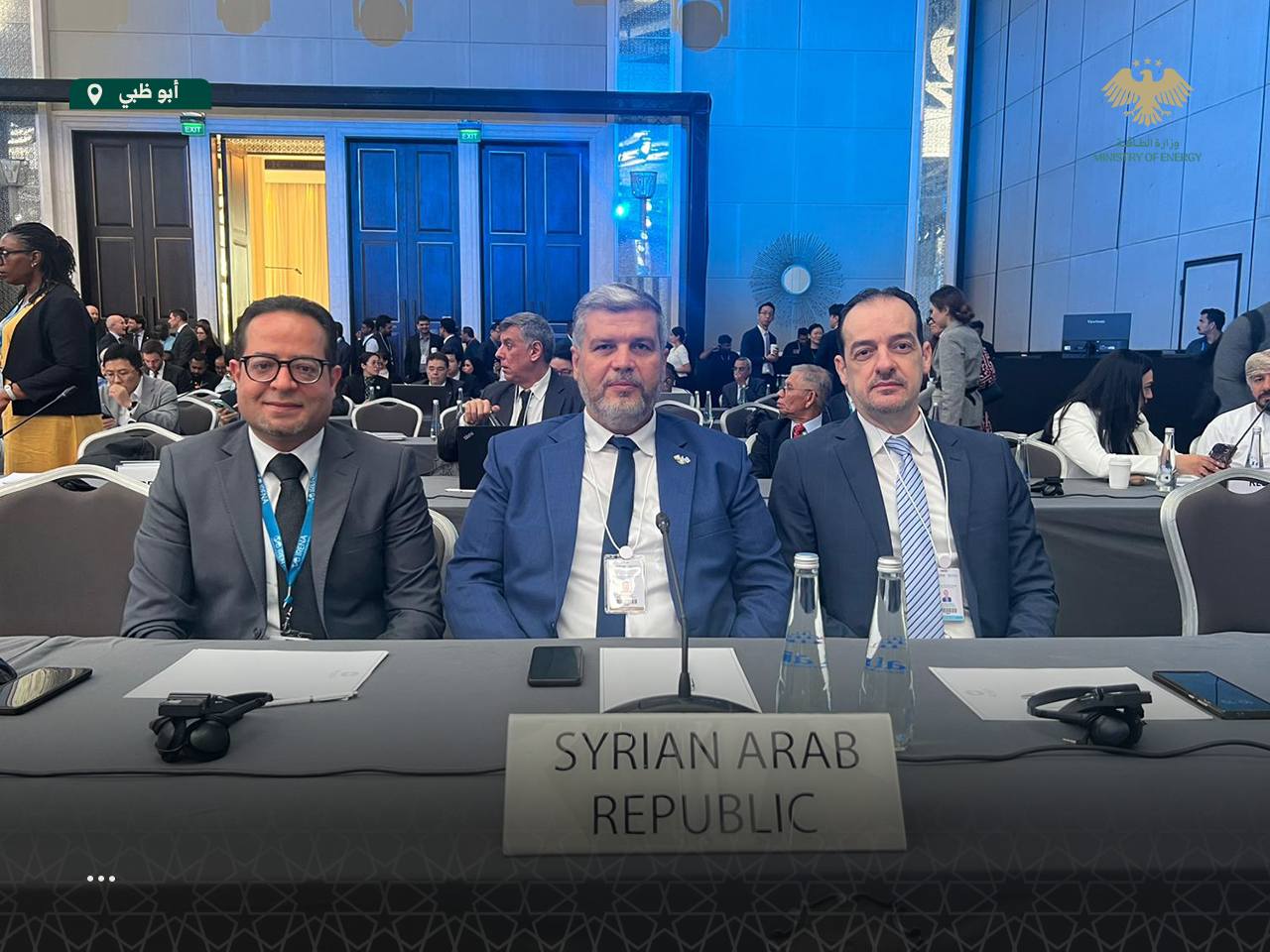
 In a strategic step supporting economic recovery and international reintegration, Syria participated in the sixteenth session of the International Renewable Energy Agency (IRENA) Assembly in Abu Dhabi. The official Syrian delegation was headed by Dr. Engineer Yusuf Hassoun, Director of the National Energy Research Center. Held under the theme “Powering Humanity: Renewable Energy for Shared Prosperity,” the Assembly brought together energy leaders and decision-makers from 139 countries and the EU.
Objectives of Participation
Speaking to Levant24, Hassoun explained that Syria’s participation aimed to affirm renewable energy as a core pillar of reconstruction. He noted that the delegation presented both the challenges facing Syria’s energy sector and the opportunities available for clean energy development, emphasizing that Syria is open to international cooperation in this field.
He added that participation in the Assembly allows Syria to seek technical assistance in developing strategies, regulatory frameworks, and feasibility studies, as well as to benefit from training programs and capacity-building workshops strengthening national expertise.
Importance of IRENA Membership
Hassoun stressed Syria’s prospective membership in IRENA carries significant technical, political, and economic benefits. On a technical level, it enables access to international expertise, research, best practices, and policy tools related to energy transition.
Politically and diplomatically, membership enhances Syria’s presence in specialized international energy forums and underscores its commitment to clean energy and sustainable development. This, he said, supports dialogue with international partners and opens new channels for multilateral cooperation during the reconstruction phase.
Membership also facilitates access to financing by linking Syria with international funding institutions and renewable energy support programs, while fostering institutional and technical partnerships with other member states.
National Vision for Renewable Energy
Hassoun pointed out that Syria has adopted a national vision centered on expanding renewable energy use, particularly solar power, as an integral part of reconstruction plans. This approach aims to reduce energy costs through local resources, modernize sector policies, and unlock access to green financing, thereby enhancing energy stability and long-term sustainability.
He emphasized that renewable energy strengthens energy security by reducing dependence on imported fuels, supports productive sectors such as agriculture and industry, and creates new employment opportunities.
At the same time, Hassoun acknowledged major obstacles, including severe damage to electricity infrastructure, limited financing and investment, shortages of technical equipment, and the impact of economic sanctions and restrictions.
Concluding his remarks, Hassoun said renewable energy represents one of the most important pillars of reconstruction, offering rapidly deployable solutions for damaged and rural areas and helping secure electricity for hospitals, schools, water stations, and other essential facilities.