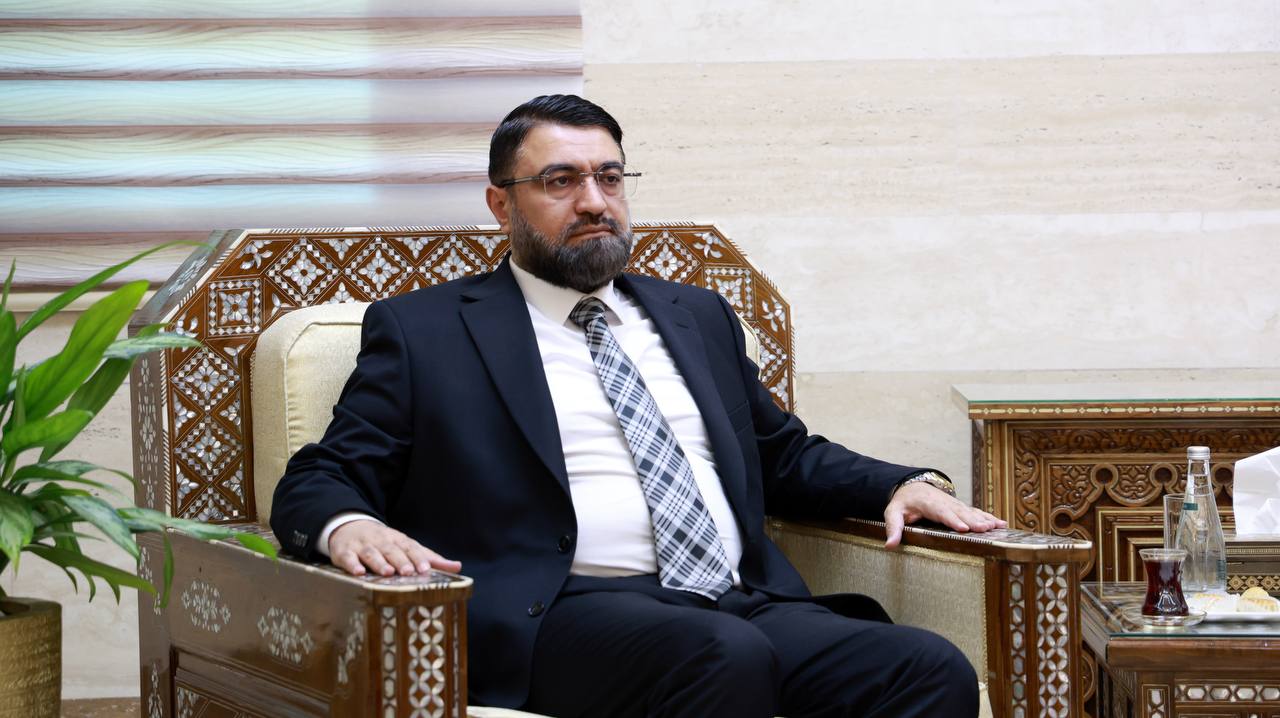
 Minister of Justice Mazhar al-Wais announced the Ministry of Justice finalized a draft law criminalizing denying crimes committed by the Assad regime. The legislation will be presented to the People’s Assembly once it convenes, allowing lawmakers to complete the required constitutional procedures before considering its approval.
In a statement published through the ministry’s official channels, Wais said the proposed law seeks to protect the rights of victims, preserve historical truth and national memory, and help prevent the recurrence of past abuses.
According to Wais, denying the crimes of the Assads, casting doubt on their occurrence, attempting to justify them, or glorifying those responsible would violate the transitional constitutional declaration. He said such actions undermine victims’ rights and harm the nation’s collective memory.
Protecting Victims and National Memory
Wais said the Public Prosecution is already monitoring such violations in accordance with legal procedures, as it remains the authority responsible for initiating public prosecutions. He also urged citizens to report statements or actions that violate the constitutional declaration so authorities can take appropriate legal measures.
The minister said Syrians endured decades of injustice, oppression, and widespread human rights violations before reclaiming their freedom on Dec. 8, 2024. He described that date as the beginning of a new national phase built on justice, fairness, the rule of law, and the protection of rights and freedoms. He added the proposed legislation reflects the government’s commitment to supporting transitional justice while safeguarding the historical record of abuses committed under the Assad regime.
New Procedures for Cybercrime Cases
In a separate development, the Ministry of Justice issued Judicial Circular No. 26, establishing new procedural controls for handling cybercrime cases. The directive introduces regulations governing the referral of complaints to judicial police, the conditions for pretrial detention, and the issuance of search warrants.
The ministry said the circular reflects its constitutional and legal responsibility to protect public freedoms, uphold individual rights, and maintain a balance between freedom of expression and protecting society from offenses committed in the digital sphere.
Commenting on the directive, Wais said Circular No. 26 is consistent with the transitional constitutional declaration and strengthens protections for citizens’ rights and freedoms. In a post on his personal X account, he added that the ministry continues to review Syria’s cybercrime law as it prepares amendments intended to update the legislation.
The draft law addressing denial of crimes committed by the ousted regime and the new cybercrime procedures represent separate initiatives that the ministry says are intended to strengthen Syria’s legal framework during the country’s ongoing transitional period.