
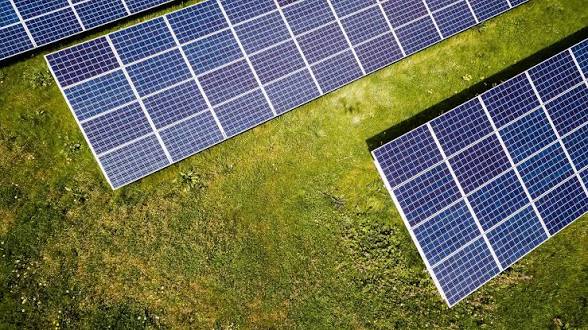
 Syria is seeing a large shift toward solar energy seeking solutions to a prolonged electricity crisis. Following extensive damage to power infrastructure during the 14 year war, renewable energy has emerged as an increasingly important option for households and businesses alike.
As recovery and reconstruction efforts continue, solar power has become a practical means of addressing chronic electricity shortages and supporting a measure of economic and social stability. Rising fuel costs and unreliable grid service cause many Syrians to invest in independent energy systems.
Imports Reach New Highs
Recent data show a sharp increase in Syria’s imports of solar panels from China. According to the Energy Research Unit in Washington, solar arrays have become a common sight on homes, commercial buildings and schools in both urban and rural areas.
Figures from the clean energy research center Ember indicate imports accelerated significantly during the spring of 2026. Syria imported solar panels with a capacity of 10 megawatts in March, followed by 20 megawatts in April, representing a 100% increase in a single month.
The scale of the growth is particularly notable because April’s imports alone matched the country’s total imports of Chinese solar panels during all of 2025. During that year, imports were limited to April and May and did not exceed a combined capacity of 20 megawatts.
The surge reflects growing demand for alternatives to expensive fossil fuels and private generators. For many Syrian families, solar power has become one of the most affordable and sustainable options for securing reliable electricity.
Supporting Agriculture in Rural Areas
The use of solar energy now extends beyond household electricity needs. In rural Syria, farmers increasingly depend on solar-powered systems to operate groundwater pumps and modern irrigation networks.
With grid electricity often unavailable, solar technology helps sustain agricultural production, particularly during periods of drought and fuel shortages. The shift has enabled farmers to reduce operating costs while maintaining irrigation for important crops.
Despite expansion, solar energy still represents a relatively small share of Syria’s overall electricity generation. Current estimates place its contribution at less than 0.4% of the national energy mix, while oil and natural gas account for over 96% of production. The figures underscore the need for larger utility-scale projects capable of supporting industrial demand and easing pressure on existing infrastructure.
New Investments and Regional Cooperation
Renewable energy capacity continued to grow during 2025, rising by 22% to over 3.8 gigawatts, compared with approximately 3.11 gigawatts in 2024. This growth placed Syria fifth among Arab countries in renewable electricity capacity.
Solar energy accounted for most of the increase, reaching 2.25 gigawatts after adding 640 megawatts during the year, a growth rate of 40%. Wind power remained limited, with total capacity standing at just 5 megawatts. To address ongoing electricity shortages, Syrian authorities have pursued partnerships with regional and international companies.
Proposed agreements include solar and wind projects totaling 500 megawatts with Saudi firms Al-Hurafi and SCLCO, as well as plans with a US company, Solar Energy, to develop two solar power plants with a combined capacity of 200 megawatts and integrated battery storage systems. These projects aim to strengthen energy security, expand renewable generation and support broader reconstruction efforts across Syria.