As part of ongoing efforts to strengthen water security and ensure reliable supplies for drinking and irrigation, Syrian water authorities, working in coordination with international partners, are implementing a series of rehabilitation and development projects across several governorates. These initiatives aim to secure water for hundreds of thousands of residents, support agriculture and industry, and advance sustainable development.
Babiri Pumping Station Restored in Aleppo
In Aleppo, the Ministry of Energy announced the resumption of operations at key pumping stations, including the strategic Babiri station, following the liberation of the Maskana and Deir Hafer areas. The achievement was carried out by national technical teams and restores one of the region’s most important water sources.
Ahmad al-Ahmad, Director of Water Resources in Aleppo, conducted a field inspection of the Babiri facilities to ensure the stable operation of pumping units. The station plays a critical role in supplying irrigation water to approximately 72,000 hectares of agricultural land and providing drinking water to nearly six million people in Aleppo and its countryside. It also supports the thermal power plant, the industrial city, and contributes to mitigating environmental degradation of the Quweiq River.
Strategic Water Projects Launched in Hama Countryside
In northern Hama, the Public Drinking Water Establishment has launched two strategic projects in cooperation with international organizations.
In partnership with the Danish Refugee Council, work is underway to rehabilitate the Mezer well and prepare it for operation. The project includes installing a three-kilometer pumping pipeline linking the well to the Jebreen village reservoir. Technical teams are currently carrying out excavation, pipeline installation, and the rehabilitation of service rooms.
At the same time, a second project is being implemented in Latmin village in cooperation with the Orange organization. This initiative focuses on securing safe drinking water by rehabilitating the village well and pumping systems, restoring the elevated reservoir, and installing a solar power system consisting of 105 panels to ensure sustainable operation. Current works include concrete repairs to the reservoir and site preparation for the solar installation.
Water Rehabilitation Efforts in Homs Countryside
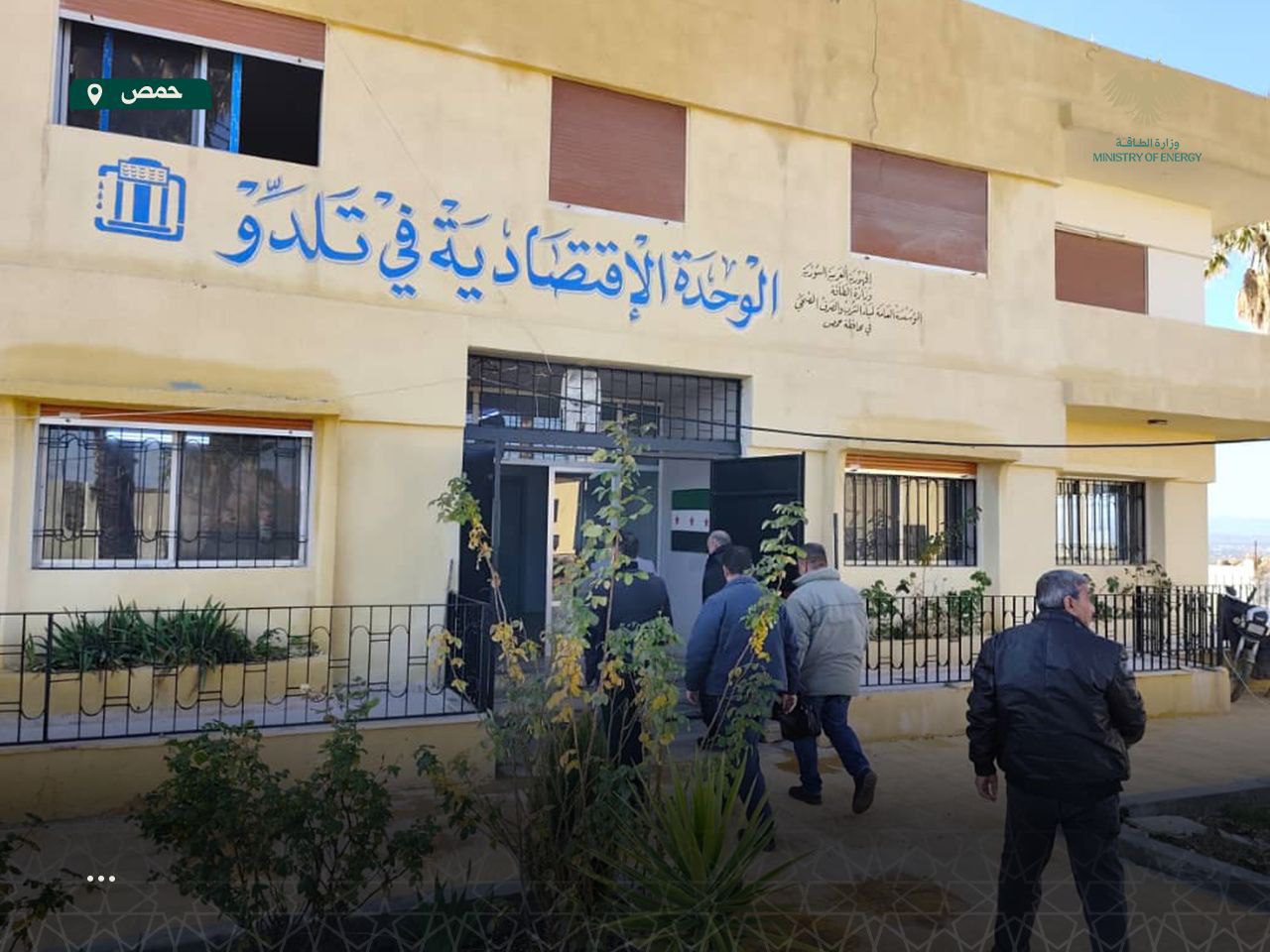
In the Homs countryside, the General Director of the Homs Water Establishment, Eng. Abdulhadi Ouda, conducted a field visit to monitor progress on a joint project with UNICEF aimed at improving water access in Teldo city.
The project includes rehabilitating several wells and the Teldo economic unit building. Its components involve installing solar energy systems for two wells with protective fencing, replacing pumping equipment for two other wells, providing a prefabricated service room, and rehabilitating the economic unit building. Once completed, the project is expected to secure drinking water for approximately 20,000 residents.
Together, these projects in Aleppo, Hama, and Homs form part of a broader national effort to rehabilitate water infrastructure, ensure reliable water access, and support agriculture, industry, and population stability, particularly in areas witnessing the return of residents after years of disruption.