 As humanitarian food assistance continues to reach millions across Syria, authorities are also taking steps to build a permanent national system regulating food safety. The World Food Program (WFP) reported 6.7 million people in Syria received assistance during January 2026, while government institutions are working with international partners to establish a national authority responsible for food safety oversight.
Food Security Shows Gradual Improvement
According to the latest WFP assessment, about 18% of Syrian households are now considered food secure, an increase from 11% in 2024. Despite this progress, over 80% of families still struggle to meet basic nutritional needs due to the long-term impact of conflict, economic decline and damaged infrastructure.
During January alone, WFP distributed approximately 36,700 metric tons of food supplies and provided $9.2 million in cash assistance. The agency said it requires about $175 million in funding over the next six months to maintain its operations.
WFP also identified the most vulnerable groups as internally displaced people (IDPs), residents of camps, returnees, persons with disabilities and female-headed households. The highest levels of food insecurity remain concentrated in Hasakah, Raqqa, and Suwayda Governorate.
Government Moves Toward Food Safety Authority
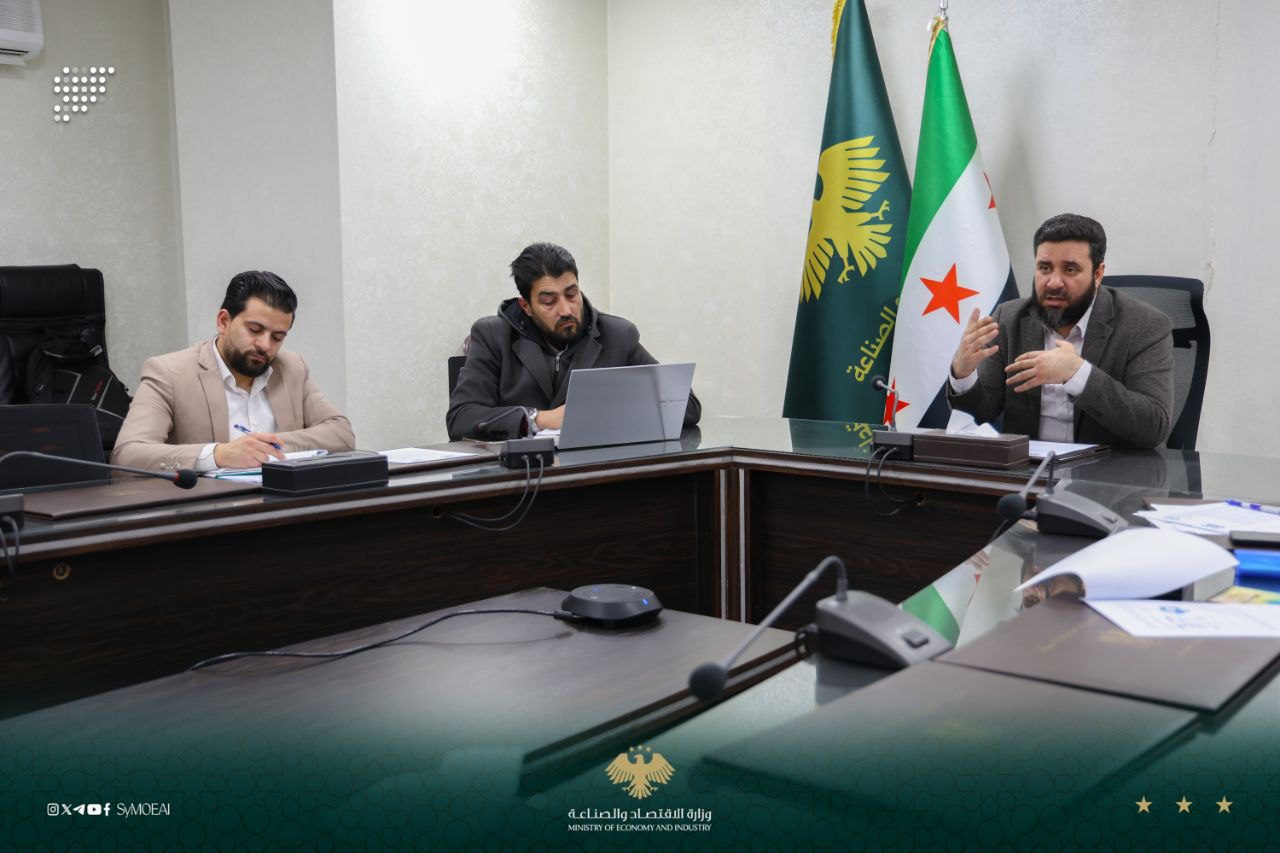
At the same time, the Ministry of Economy and Industry of Syria has begun discussions with the UN Industrial Development Organization (UNIDO) on establishing a National Food Safety Authority. During a virtual meeting with a UNIDO delegation, Deputy Minister Maher al-Hasan highlighted the regulatory and legislative frameworks needed to create the new body. The talks also focused on strengthening the technical capacity of the ministry’s Food Safety Department and its laboratories.
Hasan said creating the authority in line with international standards would improve consumer protection and strengthen oversight of food products circulating in Syrian markets. “The proposed authority will have a central role in regulating the food sector and advancing the control system,” he said. He also emphasized that Syria already has trained specialists in food control who could support the work of the future institution.
Expanding Opportunities for Domestic Products
Officials say the initiative could also boost confidence in Syrian food products and potentially create new export opportunities. For its part, UNIDO confirmed its readiness to support the project through technical assistance, expertise exchange and capacity-building programs.
Founded in 1966, UNIDO works to promote industrial development and international cooperation in manufacturing and economic sectors worldwide. The parallel efforts reflect Syria’s attempt to address both immediate humanitarian needs through food assistance and long-term challenges by strengthening national food safety institutions and regulatory systems.