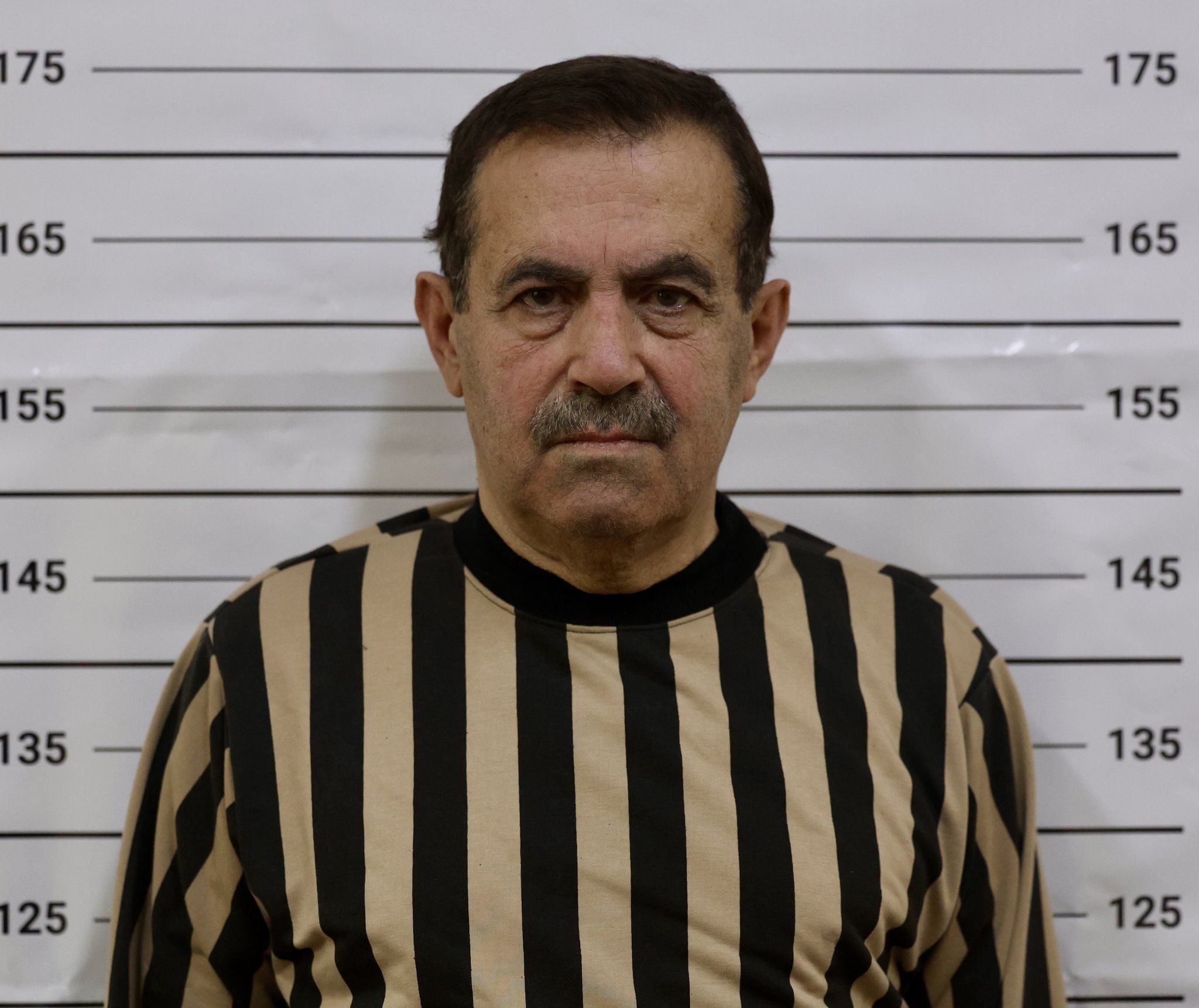
Syrian authorities announced the arrest of Major General Adnan al-Halwa, a senior military figure widely accused of involvement in the 2013 chemical attack on Eastern Ghouta. Interior Minister Anas Khattab said in a post on X that Halwa is now in the custody of the Counter-Terrorism Department, describing him as “one of the most prominent officers responsible for the chemical massacre in Eastern Ghouta in 2013.”
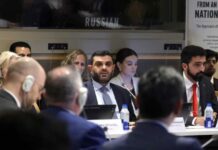
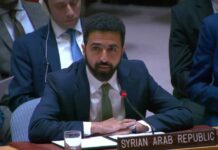
The attack, which killed an estimated 1,400 civilians, including many children, remains one of the deadliest incidents of the Syrian conflict. Halwa previously served as deputy director of the Artillery and Missile Administration in rural Damascus and appeared in diplomatic settings as part of the former government’s delegation to Astana talks.
The US and the EU had already placed Halwa on sanctions lists, citing his alleged role in war crimes. A 2022 statement from the US State Department identified him among officers linked to the use of sarin gas in Eastern Ghouta and imposed entry bans on him and his family.
Public Reaction in Eastern Ghouta
News of the arrest prompted public gatherings in Zamalka, one of the hardest hit areas by the 2013 attack. Residents took to the streets, calling for accountability for those responsible for chemical attacks and other violations committed during the conflict. Local activists reported crowds assembled in the city’s main square, while celebrations spread across neighborhoods.
Video footage shared online showed mosque minarets echoing with chants following the announcement, reflecting a mix of relief and demands for further justice. Such celebrations highlight the enduring impact of the attack on local communities while emphasizing ongoing calls for legal accountability after years of limited progress.
Confessions Reveal Chain of Command
Alongside the arrest, Syrian authorities released video footage of interrogations with former air force pilots who served under Assad regime. The pilots, including Mizar Sawan, Abdulkarim Aliya and Rami Suleiman, described how orders for airstrikes were issued directly by Bashar al-Assad.
According to their statements, commands arrived via fax and detailed the number of sorties and target coordinates. Pilots said they often carried out missions without knowing the exact targets and feared severe punishment if they refused orders.
One pilot described participating in a mission involving an “unconventional” bomb, suggesting it may have been a chemical weapon. He said such munitions had been tested in desert areas before deployment and were used under the supervision of specialized officers, including members of Air Force Intelligence. These accounts point to a structured system behind the use of prohibited weapons, rather than isolated actions by individuals.
Broader Pattern of Alleged War Crimes
The revelations extend beyond Eastern Ghouta, raising questions about other suspected chemical attacks, including incidents in Khan Sheikhoun in 2017 and Douma in 2018. Testimony from former personnel suggests continued use of unconventional weapons during later stages of the conflict.
International observers have long accused Assad’s regime of systematic violations, including the use of chemical weapons against civilians. The new disclosures, combined with high-profile arrests such as Halwa’s, add to a growing body of evidence about how these operations were organized and carried out. While the legal process remains in its early stages, the arrest and accompanying testimonies mark a notable step in uncovering the mechanisms behind one of the conflict’s most controversial chapters.