A new report from the UN Independent International Commission of Inquiry on Syria (IICIS) warns the country’s political transition remains fragile, even as authorities take steps toward institutional reform and accountability after years of conflict.
The report follows a visit by commission members to Syria, where they met government officials, human rights defenders and representatives of civil society organizations. Discussions focused on the country’s progress and the obstacles it faces as it attempts to rebuild institutions and address a legacy of human rights violations.
According to the commission, Syrian authorities have taken several initial steps likely signaling a broader transformation. These include the creation of two national bodies focused on transitional justice and the search for missing persons, as well as launching national investigations via the Coastal Committee, central and southern regions during March and July 2025.
Despite these measures, the commission said the country faces a significant challenge in rebuilding public trust in state institutions after decades of abuse under the Assad regime. “Years of violations have led to a deep erosion of Syrians’ trust in public institutions,” the report states, emphasizing restoring confidence in the rule of law will be critical to a successful transition.
Investigations Into Ongoing Violations
During its field visit, the commission said it received reports of continuing violations in several parts of the country, particularly in areas of Homs, Hama, Latakia and Tartus. Investigations into these allegations remain ongoing.
The report documented a range of abuses, including extrajudicial killings, torture, ill treatment, deaths in custody and enforced disappearances. Investigators also recorded kidnappings and violations of housing, land and property rights, particularly against communities perceived to have supported the Assad regime.
According to the commission’s findings, over 1,400 people were killed in March 2025 in Latakia, Tartus, Homs and Hama provinces. Most of the victims were civilians. Investigators said attacks showed patterns of targeting based on “religious or ethnic affiliation, age and gender.” The commission warned such acts could amount to war crimes and possibly crimes against humanity if additional legal elements are confirmed.
Although the Syrian government announced the arrest and trial of 14 suspects connected to the violence, the commission said existing mechanisms for reviewing the records of security personnel and reforming security institutions remain insufficient. It also noted that responsibility among senior officials has not yet been established.
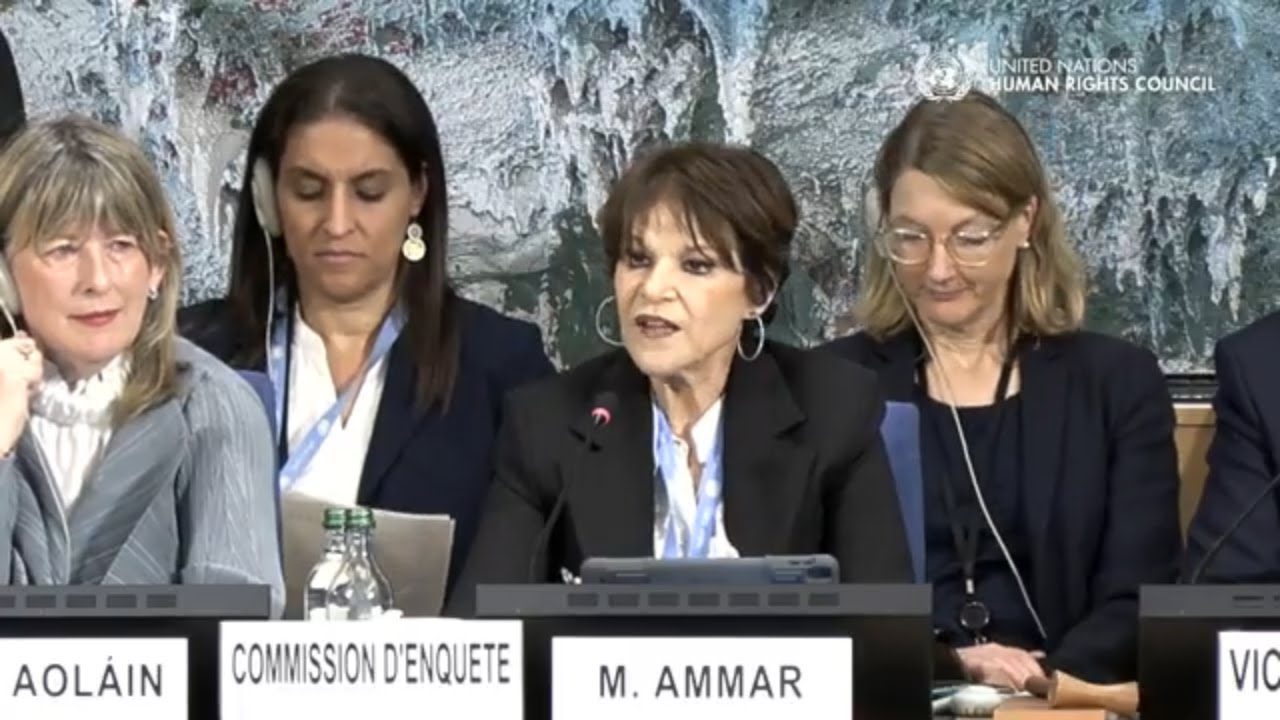
Commissioner Mounia Amar said the visit revealed both the scale of the challenges facing Syria and the determination of Syrians working to rebuild public institutions. “[Our] visit revealed the depth of the challenges facing Syria, but also demonstrated the extraordinary strength of Syrians working to rebuild their institutions,” Amar said.
Deadly Clashes in Suwayda
The report also examined the violence that erupted in Suwayda province in July 2025, where over 1,500 people were killed during clashes involving government forces, armed Druze groups and tribal fighters. Many of the victims were Druze and Bedouin civilians.
The commission said it plans to issue a separate Suwayda report in the near future. Commissioner Fionnuala Ní Aoláin said survivors and affected communities must receive justice, compensation and assurances that such violence will not be repeated.
Regional Tensions and Security Threats
Beyond internal violence, the commission said it is investigating reports of violations in northeastern Syria following renewed fighting between government forces and the Syrian Democratic Forces (SDF). The report also documented Israeli military operations inside Syrian territory, which investigators said caused civilian casualties, displacement and damage to infrastructure. It cited allegations that some Syrian civilians were detained and transferred into Israel during these operations. The commission warned of increasing activity by ISIS in parts of Syria, describing it as an additional threat to civilians in an already complex security environment.
Paulo Sérgio Pinheiro, chair of the commission, said international engagement will remain critical as Syria attempts to rebuild. “The international community should not stand idly by while Syrians try to recover from decades of lawlessness,” Pinheiro said, adding that continued support is essential for protecting human rights and sustaining the transition.
Government Response
Syria’s Ministry of Foreign Affairs welcomed the report’s acknowledgment of steps taken by the government in the areas of investigation and accountability. In a March 13 statement, the ministry said the report reflects the delicate stage Syria is experiencing after decades of “tyranny and systematic violations.” It pointed to measures including the creation of investigative committees, efforts to integrate armed factions and reforms within judicial and security institutions.
The government also reaffirmed its commitment to prosecuting those responsible for abuses, noting several suspects have already been arrested and referred to public trials with independent observers present.