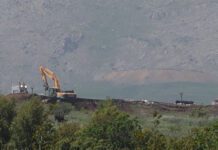
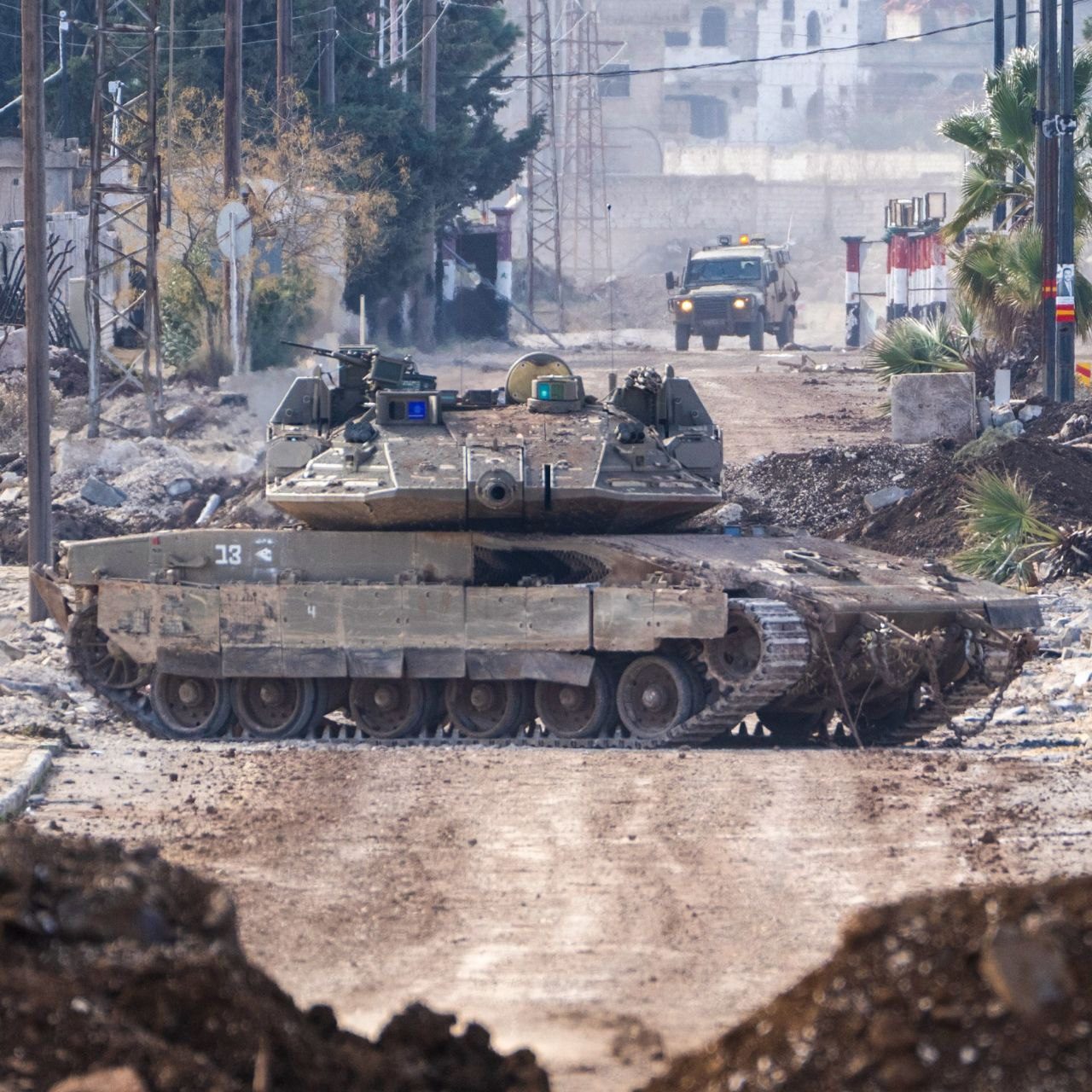
 Israeli forces intensified their most recent operations in southern Syria by closing main and secondary roads across Quneitra, deepening what residents and Syrian officials describe as a systematic pattern of incursions, movement restrictions and attacks on civilian life. Local sources report troops sealed the road linking Asbah and Kodna and blocked access routes to nearby farms with earthen barriers, forcing residents to take detours of up to 10 kilometers.
The closures have directly affected farmers, especially in border areas where access to fields, livestock routes and grazing land has become increasingly dangerous. In western Daraa, local sources told Syria TV that an Israeli patrol advanced into Wadi al-Raqad and opened fire toward farmers working the land, adding to a string of incidents that have disrupted agricultural livelihoods.
Farmers in Quneitra have also reported broader damage tied to repeated military activity, including bulldozing, herbicide spraying and blocked water channels. Those violations impose direct economic losses while raising fears of crop damage ahead of the harvest season, especially for wheat, beans and barley fields near Jabata al-Khashab.
Civilian Killed in Latest Shelling
The escalation turned deadly Friday when an Israeli tank fired on a civilian vehicle near Zaroura in the Quneitra countryside, killing 17-year-old Osama Fahd al-Fahd, according to Syrian state media and local correspondents. Reports said Fahd was heading to inspect livestock near the border strip when the tank directly fired on his car, setting it ablaze.
Syria’s Foreign Ministry condemned the murder as “a flagrant violation of international humanitarian law” and said it reflected the continuation of aggressive policies targeting civilians. In a statement, the ministry called on the international community to take immediate steps to stop what it described as repeated violations.
The killing fits a wider pattern documented by the UN-published SARI Global report, which recorded 897 incidents attributed to Israeli activity in southern Syria, including 123 in March alone. The report said the operations extend beyond isolated strikes and function as a coercive security structure centered on Quneitra and western Daraa.
Journalists Targeted Near Samdaniyah
The latest developments also included an attack on Syrian journalists near Samdaniyah al-Gharbiyah, where crews were covering the reported crash of an Iranian drone. Syrian media organizations said Israeli forces fired mortar and smoke shells near the reporting teams, forcing them to withdraw under dangerous conditions.
Among those present were journalists from the Quneitra Media Directorate, Syria TV and SANA, according to local media statements. Several correspondents reported that shells landed only meters away, while smoke and shrapnel spread across the area.
Media groups condemned the incident as a direct attack on protected journalistic work and warned repeated targeting undermines press freedom and the ability to document events in southern Syria. The incident followed another reported Israeli operation in which troops surrounded and interrogated journalist Muhammad Fahd at his home in Jabata al-Khashab over his coverage of Israeli military violations.
Damascus and International Critics Reject the Operations
Damascus has continued to reject Israeli military actions in southern Syria, demanding a withdrawal and a return to the 1974 Disengagement of Forces Agreement. Syrian authorities also denied Israeli media claims that missiles were launched from Syrian territory toward the occupied Golan, calling the reports baseless and urging news outlets to rely on verified official sources.
International criticism has also sharpened. The continued presence of Israeli forces in the buffer zone, the construction of the “Sufa 53” military road inside Syrian territory and repeated raids, arrests and shelling incidents have drawn condemnation from regional governments, international organizations and UN-linked monitors.
Taken together, the road closures, attacks on farmers, the killing of a civilian and the shelling near journalists point to an entrenched pattern of systemic aggression rather than isolated incidents. The latest events in Quneitra reinforce growing concern that southern Syria remains locked in a cycle of coercive military control, civilian risk and widening diplomatic fallout.