 In the orchards along Syria’s coast, the citrus problem does not end with abundant production. It begins there. Each year, thousands of tons of oranges and lemons are harvested, yet a significant share never reaches consumers. Farmers face two difficult options: sell at a loss or leave crops to spoil. In peak seasons, production approaches 800,000 tons, but the marketing system cannot absorb the surplus. As a result, what should be a profitable harvest becomes a financial burden for over 27,000 families who directly rely on citrus farming.
Limited Industry Capacity
Data from the Ministry of Agriculture between 2020 and 2023 show most citrus production is concentrated in Latakia and Tartus. Despite strong output, the sector remains vulnerable to climate changes and rising costs. Industry experts say past policies restricted manufacturing growth, limiting the development of processing facilities. Efforts to expand the sector faced regulatory barriers and market monopolies, reducing competition and narrowing farmers’ options.
Abdurazaq al-Salem, director of industry in Latakia, told Al-Thawra the sector depends heavily on selling fresh fruit. Processed products such as juices and concentrates remain limited. Only four processing facilities operate in the region, a number falling short of handling peak production. This gap contributes to waste, driving prices down during harvest periods.
Farmers Under Pressure
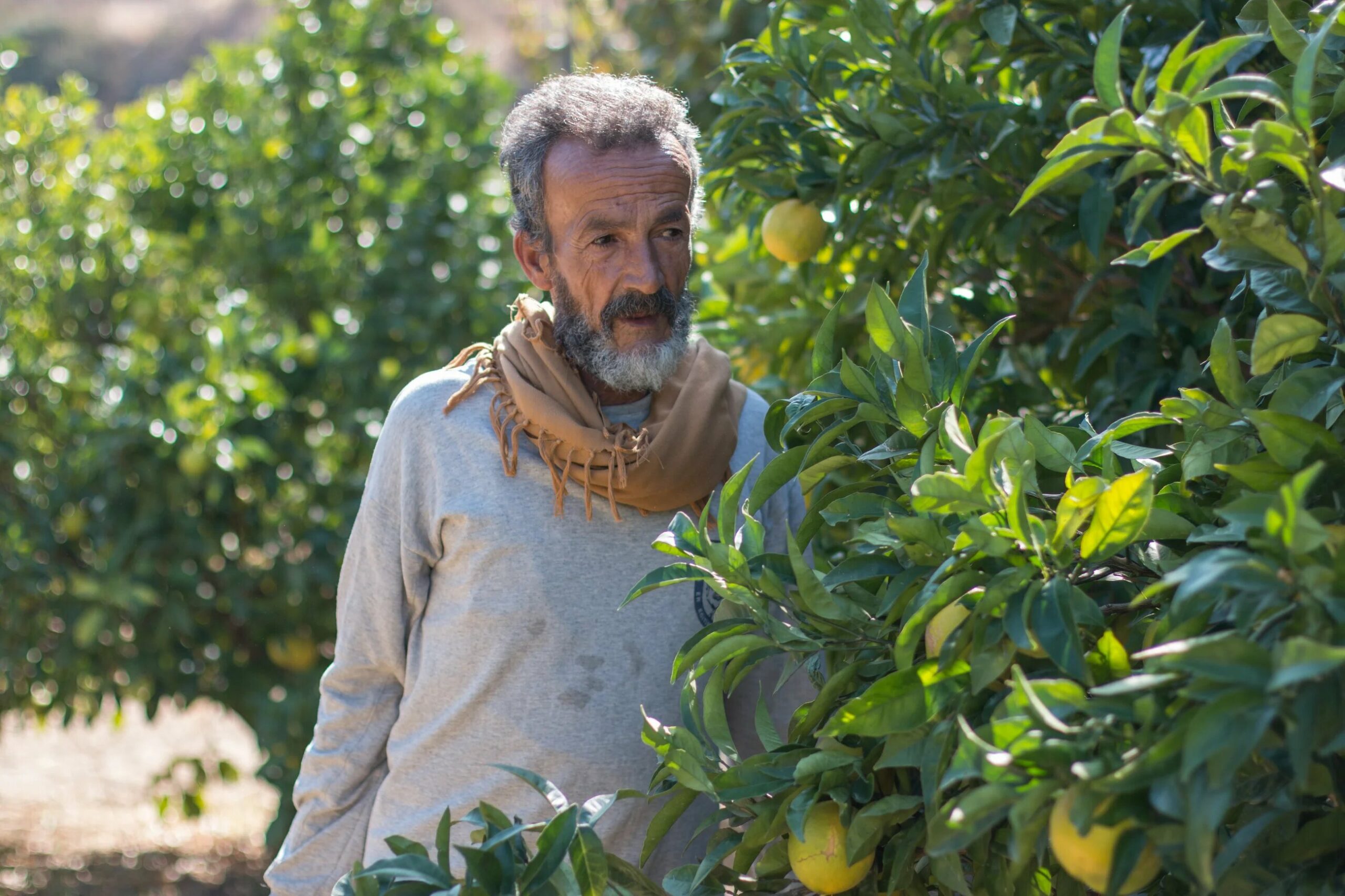
Farmers describe increasing financial strain. Ahmad Shahrour, a Latakia farmer, spoke with Levant24 about the rising costs for fertilizers, fuel and transportation eroded profits. He added the lack of processing facilities forces farmers to rely on wholesale markets and intermediaries, often at prices not covering costs. Some growers respond by removing citrus trees after repeated losses, even though a single orchard can support multiple families.
In Tartus, farmer Qusay Suleiman told Levant24 delays in trader arrivals and unstable pricing. He said continuing in agriculture now depends more on the ability to handle risk than on productivity. The absence of fixed collection centers leaves farmers exposed to market fluctuations and middlemen.
Export Gaps and Lost Value
Economist Ali Muhammad told Al-Thawra Syria exports between 80,000 and 90,000 tons of citrus annually, or about 10% of total production. Most exports consist of raw fruit, which limits added value. Although local prices have risen, higher production costs reduce competitiveness in global markets. At the same time, international juice prices remain relatively low, further narrowing profit margins.
Al-Thawra reported Mays Shihadeh, head of the Agricultural Economics Department, said expanding processed citrus products offers a more stable income path for farmers. However, she noted such a shift would require broader reforms in export systems, which currently rely on a limited number of markets, including Iraq, Russia and Gulf countries.
Toward a Sustainable Citrus Sector
The gap between high production and limited export capacity highlights a structural challenge. Addressing it will require investment in processing industries and more efficient marketing systems. Without such changes, surplus production will continue to strain farmers and limit the sector’s economic potential.