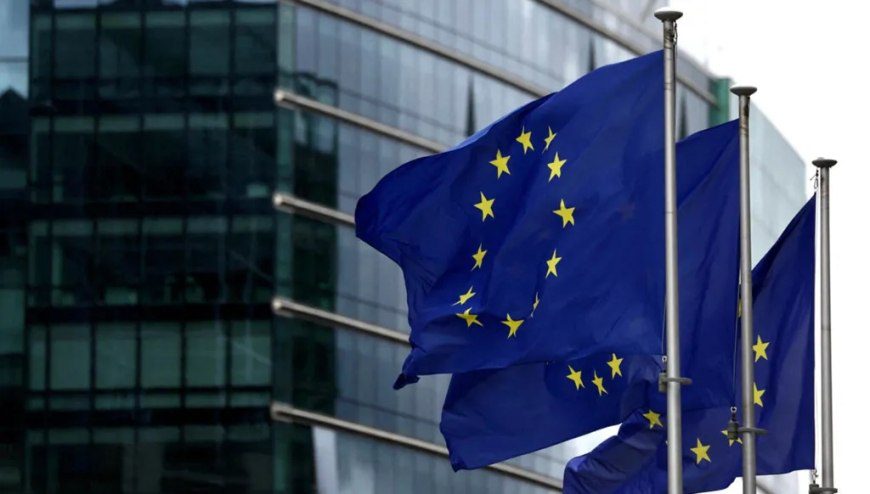
 The EU is preparing to deepen engagement with Syria by relaunching formal political contacts and outlining a roadmap for closer economic and security cooperation, according to a document issued by its diplomatic service on April 17. The move marks a notable shift in European policy toward Damascus after years of limited contact.
A report by Reuters said the document confirms plans to reactivate the 1978 cooperation agreement between the EU and Syria, with an emphasis on strengthening trade, financial ties, and broader economic relations. It also sets May 11 as the start date for a high-level political dialogue between the two sides, signaling Brussels’ intention to build a more structured partnership.
Economic Engagement and Reconstruction Plans
The document outlines steps to expand economic cooperation through a new framework for trade and investment. EU officials aim to encourage private sector financing and support reforms designed to improve Syria’s business environment.
Plans also include establishing a technical center to provide economic assistance, with a focus on reconstruction efforts. Alongside these measures, the EU continues to prioritize the return of Syrian refugees. The document highlights efforts to facilitate safe, voluntary, and dignified returns, an issue remaining central for European countries hosting large Syrian populations.
Syria’s Role in Regional Connectivity
European officials also see Syria as a potential link in broader regional infrastructure. The document references ambitions to integrate the country into projects such as the India–Middle East–Europe Economic Corridor, positioning it as a transit hub for energy, trade, and transportation.
Reuters noted, Syria’s geographic position could gain importance amid shifting energy routes in the region. Recent disruptions tied to tensions affecting the Strait of Hormuz highlighted alternative pathways for oil and gas exports, increasing interest in overland connections.
Security Cooperation and Institutional Support
On security, the EU document proposes support for training Syrian police and strengthening institutional capacity within the interior ministry. It also points to potential cooperation on counterterrorism, as well as efforts to address drug trafficking and organized crime.
Brussels expressed support for the implementation of an agreement signed earlier this year between the Syrian government and the Syrian Democratic Forces. The agreement outlines a phased process for integrating military and administrative structures.
The document further suggests maintaining open communication channels by adjusting the EU’s sanctions framework. This approach would preserve leverage while allowing engagement to continue during the transition period.
Policy Shift Following Political Change
Relations between Syria and the EU have evolved significantly since the political changes of late 2024. The previous approach, centered on isolation and sanctions, has gradually shifted toward engagement focused on stability and reconstruction.
As rebuilding efforts gain momentum, Syrian authorities seek broader international integration. Under President Ahmad al-Sharaa, the government has emphasized economic recovery and regional cooperation, while European officials weigh how to balance support with oversight in the next phase of relations.