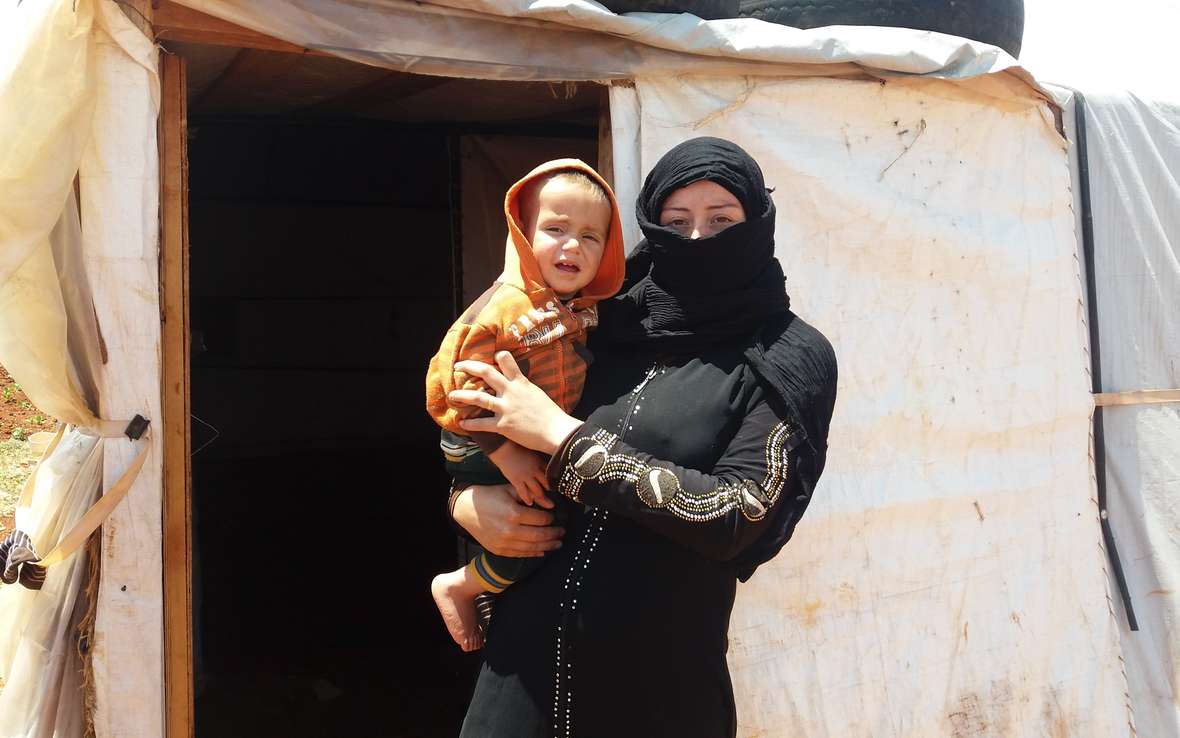
Once at the center of the world’s largest refugee crisis, Syria is increasingly becoming a case study in voluntary return and recovery. On World Refugee Day, June 20, 2026, the narrative surrounding Syria shifted from one of mass displacement to one focused on repatriation and reconstruction.
The change follows major political developments and the launch of a new state-building process. Syria has begun moving from an era defined by displacement camps toward one centered on rebuilding, reflecting a change in the relationship between citizens and their homeland.
Data released by the UN High Commissioner for Refugees (UNHCR) highlights the scale of this transition. Since the fall of the Assad regime in December 2024, over 1.3 million Syrians returned from countries of asylum, while approximately 1.7 million internally displaced people (IDPs) returned to their areas of origin within Syria.
The pace of returns accelerated in 2026. over 196,000 Syrian refugees have voluntarily returned from Jordan, according to UNHCR. As of May 2026, roughly 20,000 refugees returned from Jordan since the start of the year.
Returns from Lebanon have been even larger. Between January 2025 and April 2026, about 630,000 registered Syrian refugees returned from Lebanon to Syria. In March 2026 alone, an additional 180,000 Syrians crossed from Lebanon, citing hostilities in their host country.
Meanwhile, around 6,100 Syrian refugees returned from Iraq in 2025, with another 900 returning during the first months of 2026. Within Syria, nearly 1 million IDPs returned to their original residences during the first half of 2025. According to UNHCR, women account for about 49% of returnees and children 41%, underscoring the return of entire families seeking to rebuild their lives.
Rebuilding Communities and Restoring Stability
Syrian officials view refugee return as a key component of national recovery. Foreign Minister Asaad al-Shaibani said the state is committed to representing refugees, defending their rights and supporting a safe, voluntary and dignified return process.
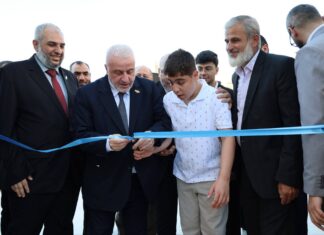
The government has introduced initiatives aimed at helping displaced populations resettle in their home communities. Among them is the “Zero Tent” program, which seeks to end long-term camp living and facilitate reintegration. Recent efforts included the return of nearly 1,700 families from Qamishli to the Afrin region under the supervision of the Presidential Team.
Despite these developments, long-term success depends on over political commitments. Sustainable return requires economic opportunities, functioning infrastructure and public services capable of supporting growing populations.
Funding Challenges Remain
UNHCR has cautioned that voluntary repatriation must remain safe and sustainable. The agency has stressed the importance of continued international support for recovery and reconstruction efforts that allow returnees to establish stable lives.
Funding, however, remains a significant challenge. UNHCR operations in Syria have secured less than 30% of the nearly $324 million required for 2026. In Jordan, funding covers just 23.2% of operational needs, leaving a shortfall of approximately $215 million.
While displacement continues to rise in many parts of the world, Syria’s experience highlights the possibilities and challenges of large-scale return. Whether this transition endures will depend on sustained recovery efforts, adequate international support and conditions that allow returning Syrians to rebuild their lives with security and dignity.