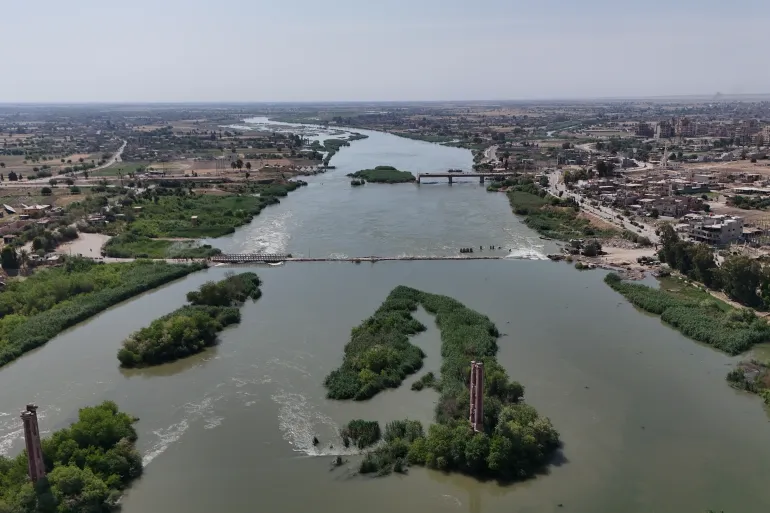
 Recent laboratory analyses and environmental assessments conducted by official authorities in Deir Ezzor and Raqqa recorded significant improvements in the quality of water and soil along the Euphrates River. The changes follow a recent flood surge which has produced measurable benefits for both the environment and agricultural lands across the region.
According to the General Establishment for Drinking Water, pollution and salinity levels have declined sharply due to increased inflows of fresh water. Officials said the surge helped flush the riverbed and improve ecological conditions in areas affected by years of declining water levels.
Routine testing carried out by the Establishment’s laboratories showed a substantial reduction in dissolved chemical compounds within the water. Authorities described the results as among the most favorable recorded in over a decade.
Laboratory Results Show Major Improvements
Dr. Ayat Hammadeh, head of the Analysis and Sterilization Department at the Water Establishment, told Syrianow intensified testing since the onset of the flooding has revealed a dramatic decline in salt concentrations.
According to Hammadeh, current readings have fallen to approximately 300 parts per million, compared with previous levels that ranged between 800 and 900 parts per million. Sulfate concentrations also dropped significantly, declining from between 220 and 250 to roughly 50 to 55. “These results represent positive indicators that have not been recorded in the province’s official logs since 2010,” Hammadeh said.
Fertility Returns to River Basin Farmland
The flood also created favorable conditions for agricultural recovery. Years of reduced water flow contributed to salt accumulation in soil throughout the Euphrates basin, affecting land productivity and crop growth. The recent surge helped wash away some of those deposits, creating an opportunity to restore soil fertility in areas adjacent to the river.
Yassir Abboush, a member of the Executive Office for the Agriculture Sector, said annual flooding reflects the river’s natural cycle and plays an important role in maintaining biodiversity. He noted that silt carried by the floodwaters contains valuable mineral elements that help replenish agricultural land and improve productivity.
Ecological Benefits Extend Beyond the River
Field reports indicate that the flooding has delivered several environmental benefits beyond improved water quality. Increased water flow has helped clear accumulated sediments, algae and stagnant waste from the riverbed and its banks.
Officials also reported signs of renewed biodiversity, including improvements in habitats that support fish populations and other aquatic organisms. “The powerful water flow has succeeded in sweeping away years of accumulated deposits, including organic matter and debris,” Abboush said.
The benefits have extended to groundwater reserves as well. Rising water levels have contributed to the replenishment of underground aquifers and improved the performance of artesian wells located near the river.
While floods can create temporary logistical challenges, recent findings suggest that seasonal flooding remains an important natural process for sustaining the ecological and agricultural health of the Euphrates basin. Officials say the phenomenon continues to play a key role in maintaining environmental balance and supporting long-term resource sustainability.