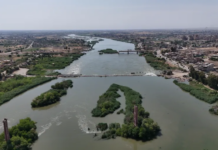
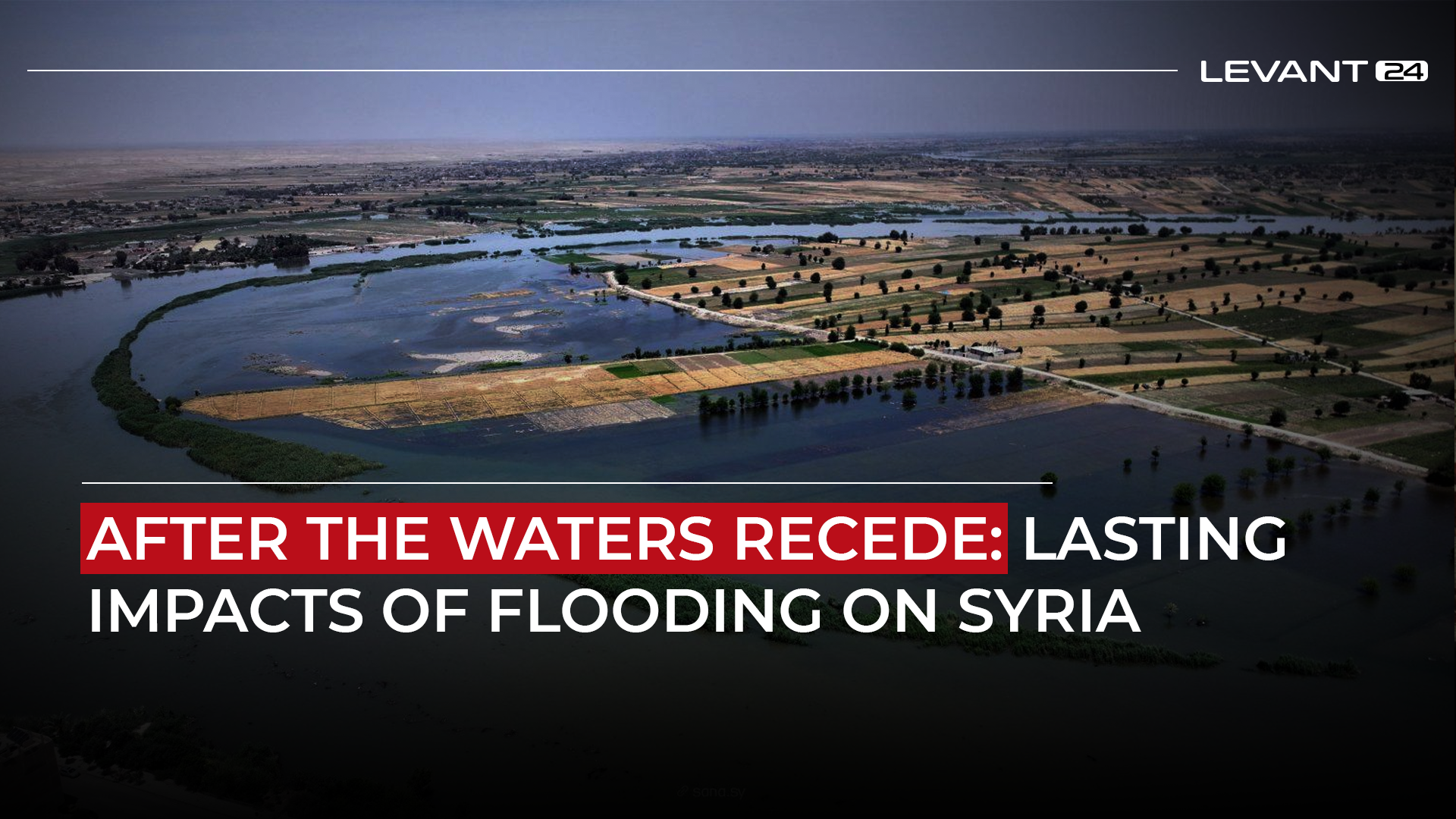
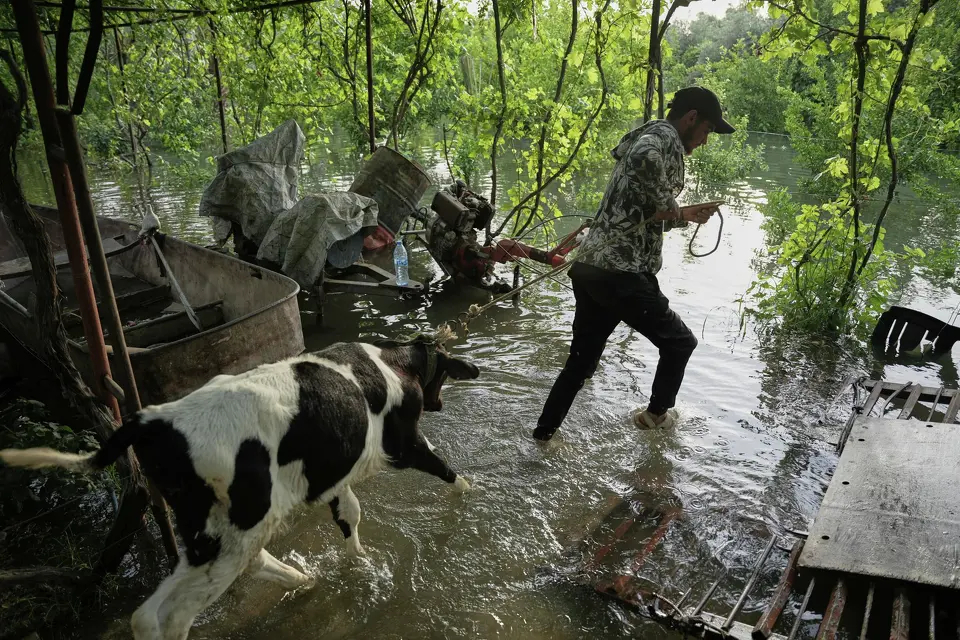
When the Euphrates River surged beyond its banks in late May, the floodwaters swallowed fields, cut roads, disabled water stations, and forced families from their homes. For many residents of eastern Syria, the disaster unfolded in a matter of days. Recovery, however, will take far longer.
Although water levels have largely receded across Deir Ezzor and Raqqa, the consequences continue to shape daily life. Farmers face damaged crops and uncertain harvests, infrastructure repairs remain incomplete, and thousands of families are still coping with the economic and social aftershocks of one of the region’s most significant flooding events in recent years.
According to UNICEF’s June 8 humanitarian situation report, approximately 17,000 people were directly affected by the floods, while over 700 families were displaced. The organization reported agricultural lands were inundated and dozens of water facilities were put out of service, disrupting access to essential services across affected communities.
A Disaster Measured Beyond the Flood Line
The immediate images of flooded homes and submerged farmland captured the scale of the crisis. Yet experts say the most significant impacts may emerge in the months and years ahead. “The effects of flooding vary depending on its intensity, duration, and soil type,” environmental expert Zahir Hashim told Levant24.
Hashim explained that flooding can produce both benefits and risks for agricultural land. Heavy rainfall deposits nutrient-rich silt and organic material, which can improve soil fertility while increasing moisture levels. Severe flooding, however, often strips away fertile topsoil, damages irrigation systems, and leaves behind sediments that hinder future cultivation.
“Prolonged flooding can cause root suffocation and reduced productivity in subsequent seasons, especially in poorly drained areas,” Hashim said. For eastern Syria, the challenge comes after years of drought and declining river flows. According to Hashim, the rapid transition between water scarcity and sudden flooding places additional pressure on already fragile agricultural systems.
“In eastern Syria, which has suffered for years from drought and declining Euphrates flow, sudden shifts between drought and flooding exacerbate the fragility of agricultural systems and affect the stability of agricultural production,” he said. The timing proved particularly damaging.
The floods arrived as farmers prepared for the wheat harvest, a crop central to both local livelihoods and Syria’s broader food security. A recent assessment by Justice for Life noted expectations for the 2026 wheat season had been unusually high following favorable rainfall and expanded cultivation. Instead, many producers watched fields disappear beneath rising waters just weeks before harvest.
For farmers along the Euphrates, those losses were not measured in statistics alone. Hamod al-Hais, a 40-year-old farmer from a village near Mayadin, said flooding destroyed his entire wheat crop just as harvest season approached.
“I lost my 55 donums of wheat and couldn’t get one ton of it,” Hais told Levant24. “The flooding was quick and I couldn’t get a harvester to harvest my wheat which I spent nine months of work and thousands of dollars on seeds and fuel.”
Hais said the disaster erased nearly a year’s worth of labor and investment in a matter of hours. While he managed to evacuate his family and elderly parents after the waters began rising early in the morning, his fields could not be saved.
“Today, I lost everything and I am waiting to see if the government will pay compensations for me and other farmers whose lands and livestock were damaged,” he said. “Many farmers alongside the Euphrates lost their wheat and barley crops and we ask, God first, and then our government to compensate us.”
Infrastructure Damage Slows Recovery
The flooding’s effects extended well beyond agriculture. Dr. Faiz Abbas, head of the Emergency Response Committee in Deir Ezzor, said approximately 22,500 dunums, about 5,560 acres, of farmland were affected during the disaster response period. Wheat, barley, and vegetable farms sustained significant losses.
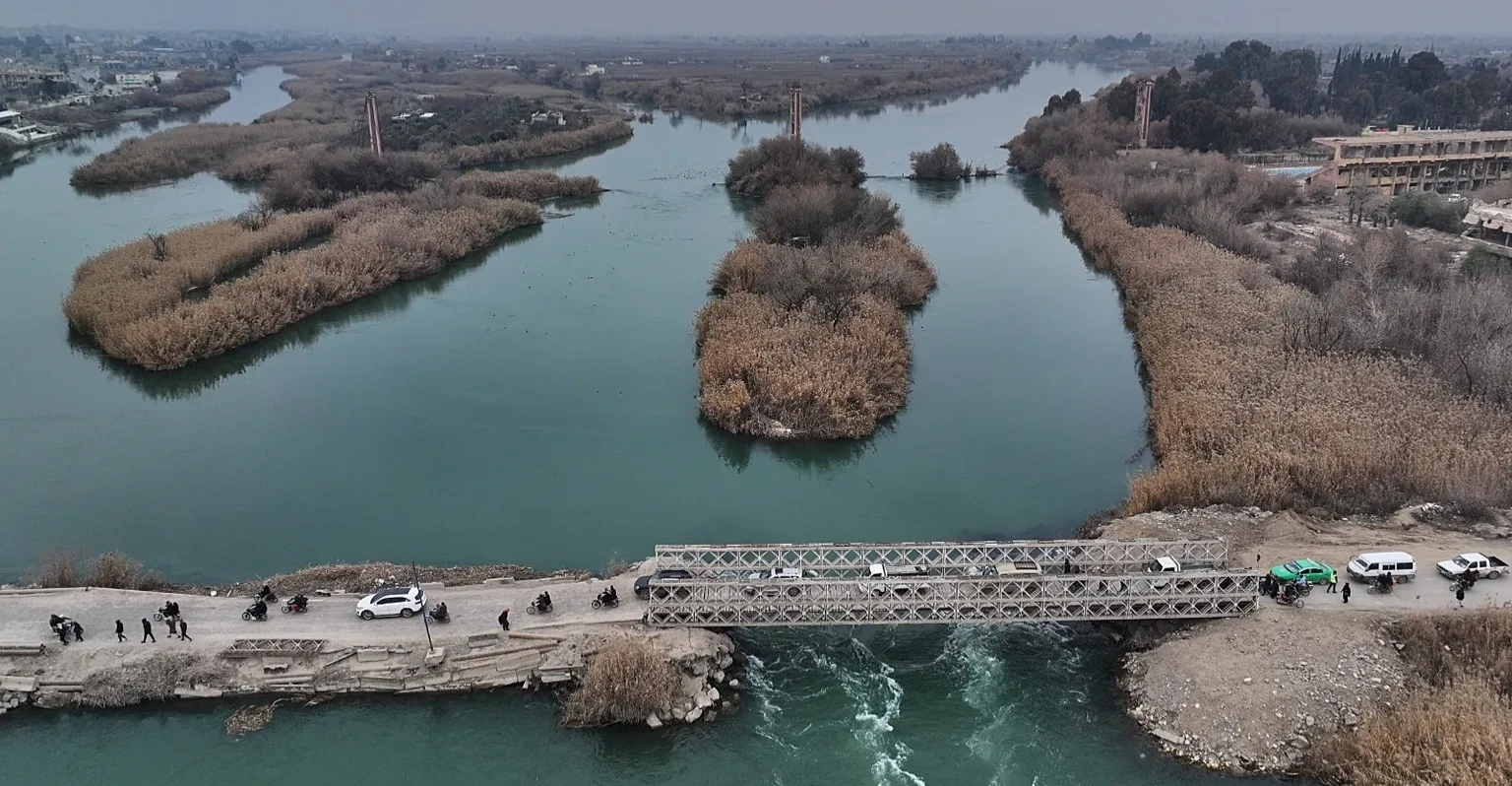
Infrastructure suffered extensive damage as well. “Up to this moment, 81 water stations were out of service, of which 47 have been repaired, leaving 34 stations still out of service,” Abbas told Levant24. The floodwaters also destroyed an earthen bridge despite efforts to reinforce it. Abbas estimated that around 700 homes were flooded during the disaster.
UNICEF reported similar findings, noting that damaged bridges and river crossings disrupted humanitarian operations and commercial activity along both banks of the Euphrates. Water infrastructure sustained particularly severe impacts. While emergency repairs restored many facilities, dozens of treatment plants remained offline in Deir Ezzor weeks after the peak flooding.
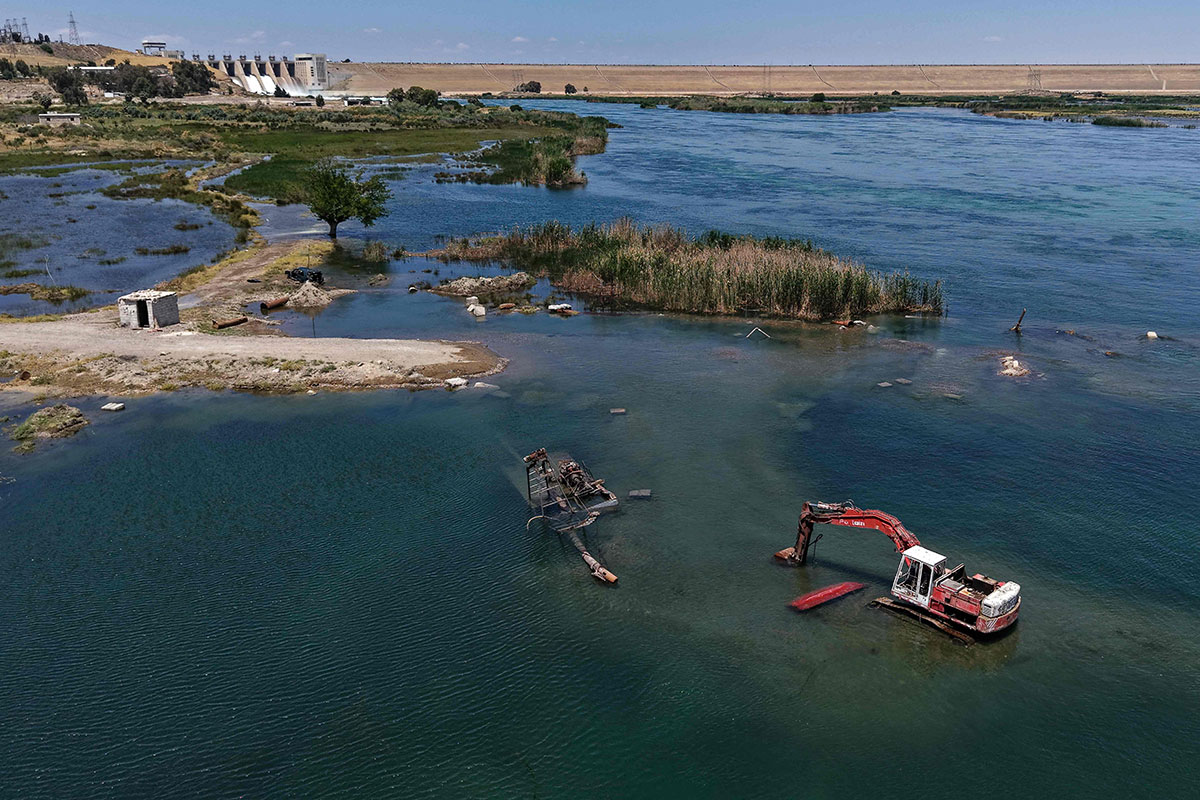
The consequences continue to affect daily life. Communities whose stations remain nonfunctional rely on temporary water deliveries, though Abbas acknowledged current supplies do not fully meet local needs. “The amount of compensation does not match the people’s needs,” he said.
Why the Flooding Became So Severe
Experts point to a combination of natural and structural factors behind the disaster. Hashim said heavy rainfall increased runoff across valleys and low-lying areas while rising Euphrates water levels placed additional pressure on nearby agricultural land and infrastructure. At the same time, years of conflict and economic hardship weakened the region’s ability to withstand major flooding.
“Many drainage canals, earth dams, and flood protection networks had been damaged or poorly maintained in recent years due to economic conditions and the war waged by the former regime,” Hashim said.
Abbas also pointed to development patterns along the river. “In fact, it’s us who have encroached on the river, not the other way around,” he said, referring to years of construction and agricultural expansion into flood-prone areas along the Euphrates. The debate extends beyond local conditions. Analysts and environmental advocates question whether unusually high water releases upstream contributed to the flooding.
Reporting by The Amargi revealed growing discourse regarding river management practices and the challenges of coordinating water flows across international boundaries. While experts continue to debate the relative contribution of rainfall, climate conditions, and upstream water management, most agree that eastern Syria remains increasingly vulnerable to extreme weather events.
Rebuilding and Preparing
As emergency operations give way to long-term recovery, local authorities have begun planning projects intended to reduce future risks. Abbas said infrastructure rehabilitation ranks among the highest priorities. Officials plan to rebuild damaged crossings and relocate vulnerable water stations farther from the riverbank.
“We will relocate them and plan to build floating stations that are not affected by water levels, whether they rise or fall,” he said. Hashim argues rebuilding alone will not be enough. “There are a number of measures that can reduce losses in the future,” he said, including rehabilitating drainage networks, improving protective dams, expanding early warning systems, and promoting agricultural practices that strengthen soil resilience.
He emphasized climate adaptation requires engineering solutions. “Enhancing flood resilience is no longer limited to engineering structures; it also requires sustainable land and water management and improved community preparedness for increasingly frequent and severe weather events,” Hashim said.
For communities along the Euphrates, the disaster did not end when the river retreated to its banks. Farmers are still calculating lost harvests, families continue to navigate damaged services, and local authorities face the costly task of rebuilding roads, water systems and other critical infrastructure.
As recovery efforts progress, officials and experts increasingly view the floods not as a one-time emergency but as a testament to the region’s vulnerability to future extreme weather events. The challenge now is not only restoring what was lost, but strengthening the systems and livelihoods sustaining eastern Syria so the next flood does not leave communities facing the same devastation once again.