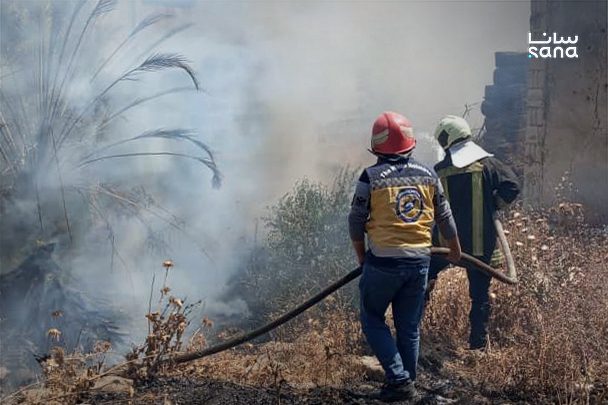
Recent floods along the Euphrates River and a surge in agricultural fires across Syria inflicted significant damage on farmland, disrupted critical infrastructure and threatened the livelihoods of thousands of families, underscoring the growing environmental challenges facing the country.
On World Environment Day, Syrian President Ahmad al-Sharaa highlighted the impact of natural disasters on Syria and called for greater national solidarity in protecting the environment and natural resources. In a statement Sharaa said recent fires, floods and torrential rains demonstrated “the greatness of the solidarity and cooperation among our people in protecting our environment and resources.”
The president also called for reconstruction efforts incorporating environmental considerations, saying the country should work toward building a “green homeland and a healthy future” supporting future generations and global climate initiatives.
Euphrates Flooding Damages Crops and Infrastructure
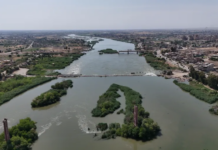
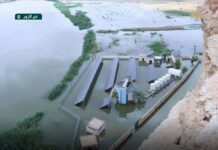
The most severe flooding occurred in the eastern provinces of Deir Ezzor and Raqqa, where rising water levels along the Euphrates River inundated agricultural land, damaged water infrastructure and forced thousands of residents from their homes.
According to local officials cited by The New Arab, over 21,800 dunams of agricultural land were affected across 17 areas of Deir Ezzor province. Water pumping stations suffered extensive damage, with 83 stations temporarily put out of service after floodwaters overwhelmed facilities along the riverbanks.
The flooding also disrupted transportation networks. Three temporary bridges connecting communities on opposite sides of the Euphrates collapsed, limiting movement and complicating relief efforts. Authorities later reopened strategically important Ashara Bridge to pedestrians and light vehicles following emergency reinforcement work.
The humanitarian impact has been substantial. UNICEF reported approximately 14,000 people, including thousands of children, were displaced after floodwaters entered homes, damaged infrastructure and interrupted access to safe drinking water. The agency said it is supporting water systems, providing emergency services and helping repair damaged flood-control infrastructure serving roughly 400,000 people.
Fire Season Raises Food Security Concerns
While eastern Syria struggled with flooding, other regions faced a growing threat from fires as harvest season began and temperatures increased. The Ministry of Emergency and Disaster Management announced firefighting teams responded to 183 separate fires in a single day this week, including 35 incidents involving agricultural lands and field crops. On another day, Syrian Civil Defense teams responded to 181 fires, including 45 affecting fields and agricultural crops.
Officials warned dry vegetation and rising temperatures are increasing the likelihood of fires threatening both agricultural production and food security. A major fire broke out the night of June 4 in areas containing trees and dry grass near the administrative boundary between Daraa and Suwayda provinces.
Civil Defense teams worked to prevent the blaze from spreading further after it expanded from Suwayda toward neighboring Daraa. Authorities repeatedly urged residents to avoid activities that could spark fires, including burning dry grass and discarding cigarette butts or glass containers near fields and forests.
Government Expands Emergency Response
In response to recurring agricultural fires, local authorities in Idlib province launched an extensive emergency plan for the 2026 harvest season. According to Ziad Harkoush, director of the Emergency and Disaster Management Directorate in Idlib, officials established over 20 advanced response points in areas most vulnerable to wheat and barley fires.
The plan includes 21 water tankers equipped with pumps, 22 bulldozers designed to contain fire spread and 48 contracted civilian workers supporting emergency operations. Harkoush said the objective is to minimize crop losses through rapid intervention and close coordination among emergency responders and agricultural authorities.
The twin challenges of flooding and fire expose the vulnerability of Syria’s agricultural sector at a time when many rural communities remain economically fragile. The recent disasters damaged crops, displaced families and strained infrastructure, but they have also prompted expanded emergency planning and renewed discussion about how Syria can rebuild while strengthening its resilience to future environmental threats.