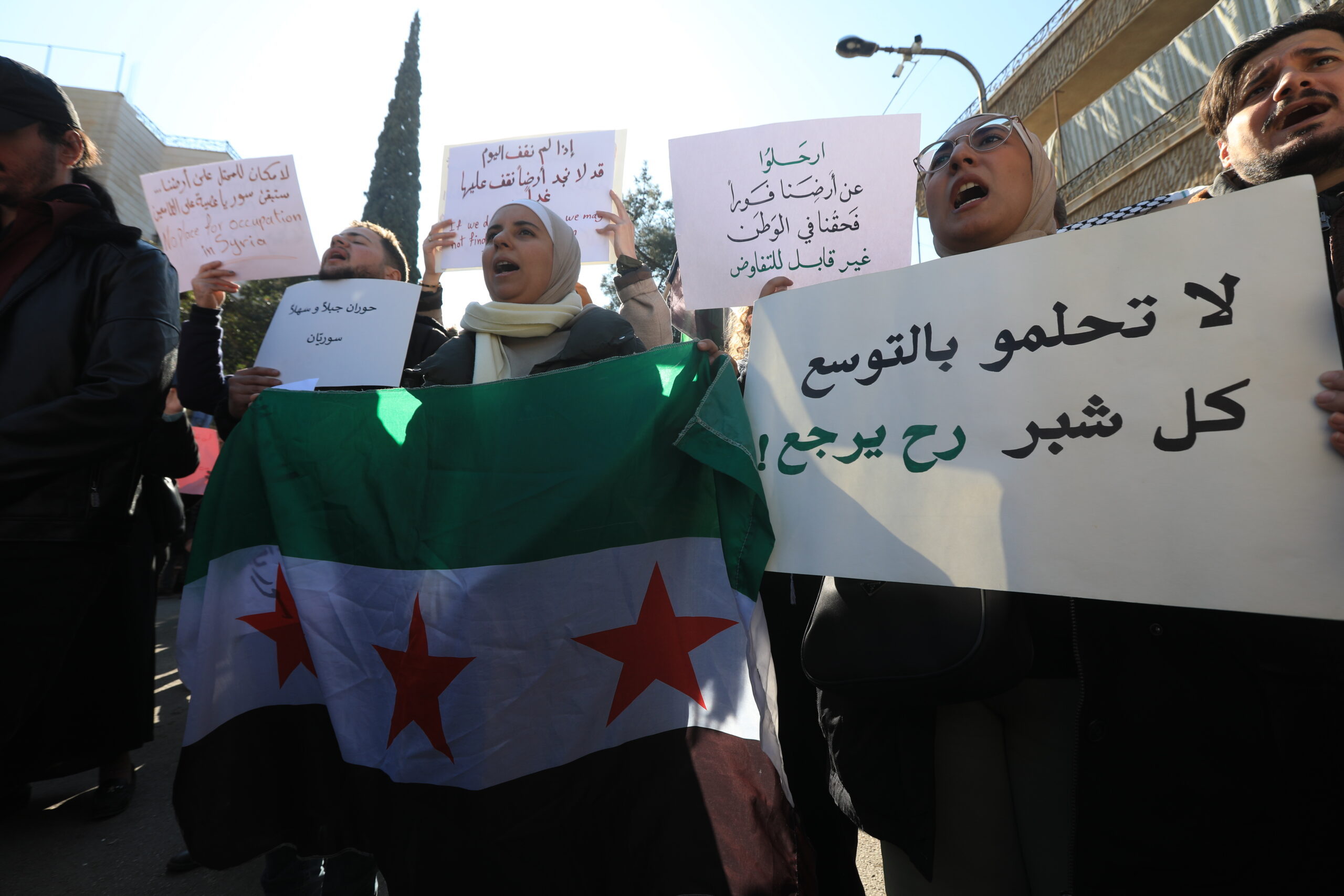
Israel’s continued military strikes on Syria have sparked widespread condemnation from the UN, Arab nations, and regional organizations. The attacks, targeting military sites in southern Syria, have raised concerns over escalating tensions and violations of international law.
UN and Arab Nations Denounce Violations
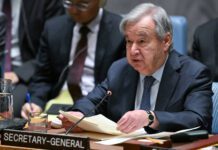
UN spokesman Stéphane Dujarric expressed deep concern over Israel’s repeated violations of Syrian sovereignty and the 1974 Disengagement Agreement. He warned that such actions increase the risk of renewed hostilities and instability.
Egypt strongly condemned the strikes, calling them a “flagrant violation of international law” and urging the Security Council to take action. Saudi Arabia also denounced the attacks, calling on the international community to prevent further escalation. Jordanian Foreign Minister Ayman Safadi labeled the strikes a “dangerous escalation,” while King Abdullah II reaffirmed Jordan’s support for Syria’s sovereignty during a meeting with Syrian President Ahmad al-Shara.
Arab League Secretary-General Ahmad Aboul Gheit described the attacks as a “reckless provocation” and an attempt to reshape regional dynamics through military force. Meanwhile, Turkish Foreign Minister Hakan Fidan accused Israel of using security concerns as a pretext for territorial expansion.
Public Protests & Human Rights Concerns
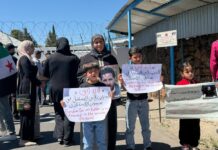
The strikes have sparked widespread protests across Syria. Demonstrators in Suwayda, Daraa, and Quneitra have rejected Israeli actions, reaffirming Syria’s unity. The Syrian Network for Human Rights (SNHR) reported multiple violations by Israeli forces, including forced displacement, attacks on civilians, and the establishment of military bases inside Syrian territory. According to the Syrian Observatory for Human Rights (SOHR), Israel has conducted 16 strikes on Syria since the start of 2025, destroying military sites and infrastructure while causing multiple casualties.
Israel Defends Its Military Operations
Israeli officials have justified the strikes, claiming that military forces in southern Syria pose a direct threat. Defense Minister Yisrael Katz warned that “any attempt by Syrian forces to establish themselves in the security zone will be met with fire.” Prime Minister Benjamin Netanyahu has called for the demilitarization of southern Syria, a move widely criticized by Arab leaders.
Syria’s Limited Options & Diplomatic Efforts
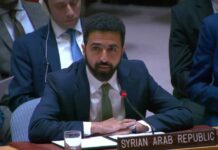
Syria’s government, still rebuilding its military, has few options for direct retaliation. Instead, officials are turning to diplomatic channels, urging regional allies to pressure Israel. Political analysts suggest that Israel’s actions are both military and strategic, aiming to weaken Syria’s central government.
Military expert Diaa Qaddour warned that an open conflict could further destabilize Syria, while political researcher Muhammad Sabra stressed the need for stronger international alliances to counter Israeli aggression.
With tensions rising, Israel’s military actions are drawing increasing global scrutiny. Arab nations and international bodies are expected to push for greater accountability, while Syria navigates a complex path toward stability amid ongoing hostilities.