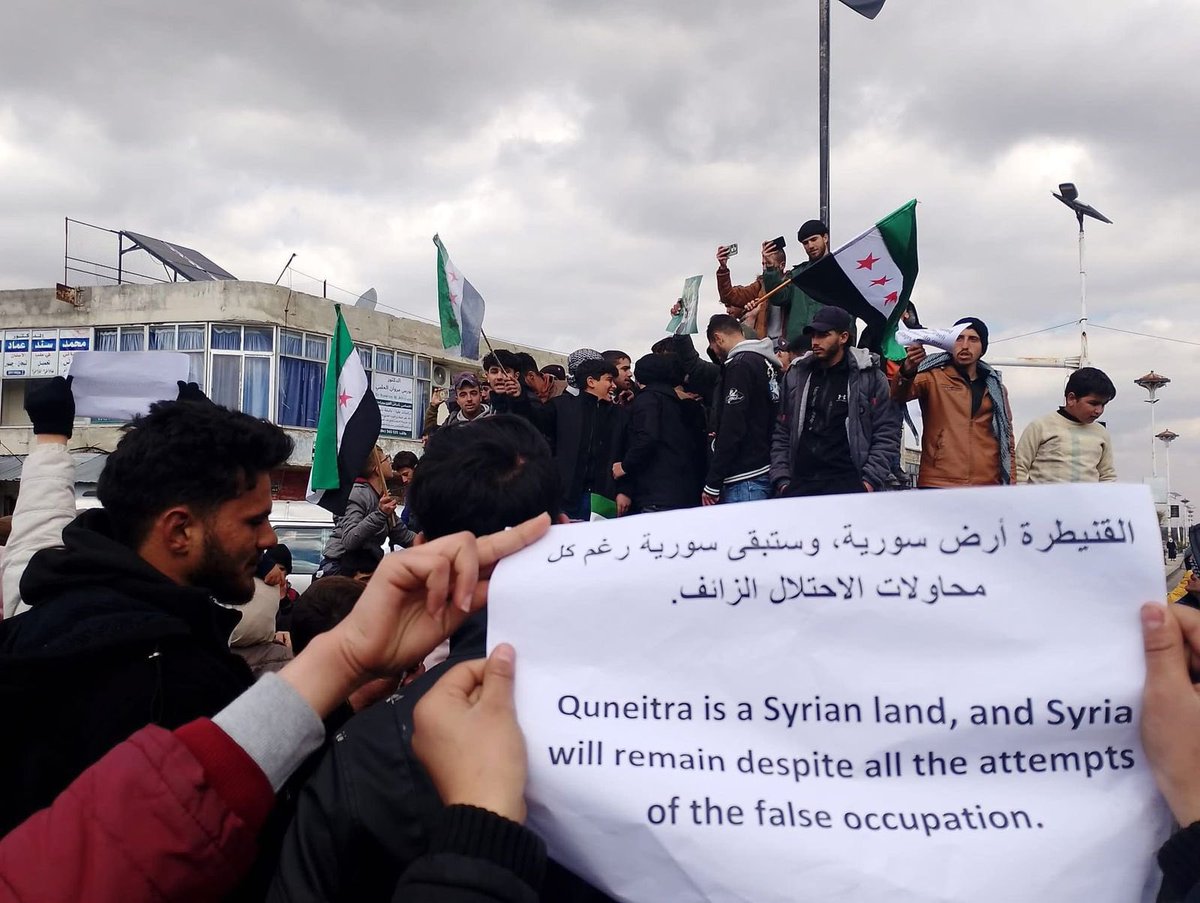
Residents of southern Syria, including the Druze-majority province of Suwayda, strongly condemned statements by Israeli Prime Minister Benjamin Netanyahu, rejecting occupation and interference in Syria’s internal affairs. Netanyahu’s call for “demilitarization” of the region and claims to “protect” the Druze community in southern Syria have sparked widespread protests and denunciations from local leaders and activists.
Protests & Outrage
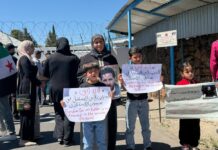
Public outrage spread across the provinces of Suwayda, Daraa, and Quneitra in response to Netanyahu’s remarks. Despite freezing temperatures demonstrations erupted in multiple cities, including Khan Arnabeh, Nawa, Busra al-Sham, and Suwayda’s Al-Karamah Square, as well as in the city of Aleppo where protesters carried banners rejecting partition and affirming Syria’s unity. Messages such as “No to federalism… No to partition” and “Daraa, Suwayda, and Quneitra are one people” were prominently displayed.
The protests coincide with Israeli military activities in the region. Local reports indicate that Israeli warplanes have flown over Quneitra and Daraa in what many perceive as an effort to intimidate the local population. Activists called for expanded demonstrations in the coming days to reinforce their rejection of external interference.
Unified Rejection from Local Leaders
Druze and tribal leaders have publicly denounced Netanyahu’s comments. Sheikh Suleiman Abdul Baqi, leader of the Free Jabal al-Arab group, firmly rejected foreign involvement, emphasizing the unity of the Syrian people. “We reject the interference of any foreign party in Syria’s internal affairs. We are Syrians, our identity is Syrian, and we want to build the country and live in peace.”
A joint statement issued by the tribes of southern Syria condemned Israeli attempts to sow discord, asserting: “We reject any form of Zionist interference in Syrian affairs. These statements are desperate attempts to divide Syria in service of Israel’s aggressive agendas.” The statement reaffirmed loyalty to a unified Syrian state and denounced any foreign-backed attempts to fragment the country.
Meanwhile, civil activist Hani Azzam warned Israel’s rhetoric is designed to create sectarian tensions, particularly by framing Israel as a “protector of minorities” such as the Druze. “This is a clear attempt to halt the integration process between the southern regions and the new Syrian army by exploiting sectarian fears.”
Growing Cooperation Between Suwayda and Damascus
The backlash against Netanyahu’s statements comes amid increasing coordination between local factions in Suwayda and the Syrian government. In recent weeks, representatives from Suwayda’s armed groups have met with Defense Minister Murhaf Abu Qasra in Damascus to discuss their potential integration into the national army. These efforts are seen as a significant step toward stabilizing the region under a unified military structure.
President Ahmad al-Sharaa met with Druze dignitaries in Damascus yesterday following Netanyahu’s remarks. The meeting, widely interpreted as a gesture of solidarity, underscored the government’s commitment to maintaining Syria’s territorial integrity.
Rejection of Separatist Military Councils
Despite the overwhelming consensus against external interference, a controversial group known as the Suwayda Military Council (SMC) has attempted to position itself as a “security force” for the region. The council, which includes former Assad regime officers call for decentralization, yet faced rejection from major Suwayda factions, including the Decisive Operations Room and the Joint Operations Room. Prominent religious figures, such as Sheikh Hikmat al-Hijri, have also dismissed the council as illegitimate, accusing it of serving foreign agendas.
“This so-called military council does not represent Suwayda’s people or its factions. Our allegiance remains with Syria, not with external forces attempting to exploit our region,” stated a joint declaration from local militias and religious authorities.
A Test of National Unity
As tensions in the region persist, observers see this moment as a critical test for Syria’s post-Assad era. Civil activist Adnan Abu al-Ezz emphasized the importance of national integration in the face of foreign intervention. “Suwayda, Daraa, and Quneitra must turn unity into action. Strengthening ties with the central government and rejecting external manipulation will be key to ensuring Syria remains whole,” he said.