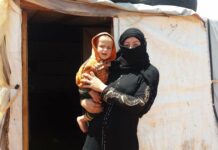
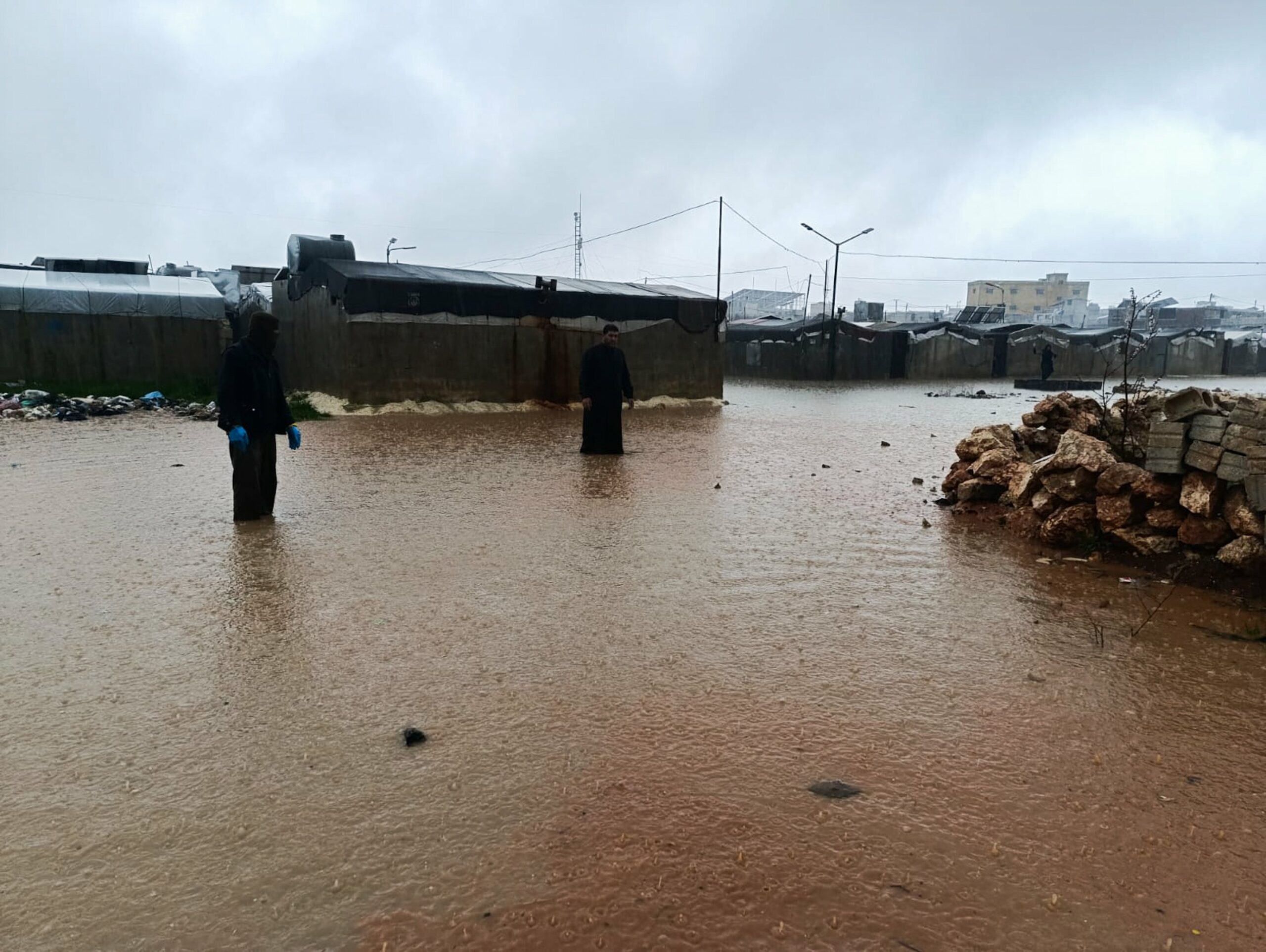
Dr. Durid Durgham, former governor of the Central Bank of Syria (CBS), has proposed an integrated economic and social plan addressing the situation of over five million internally displaced (IDPs) Syrians. About one million of them continue to live in severe conditions in tent settlements. Writing on his Facebook page, Durgham framed the proposal around the use of state-owned assets, noting that the government controls roughly 70% of the country’s land.
The plan calls for selecting strategic locations near existing service networks. Durgham envisions the government acting as a facilitator by preparing land with heavy equipment, organizing bulk purchases of construction materials to reduce costs, and providing engineering oversight. He said such coordination could ensure organized development and help avoid the spread of informal settlements.
Labor Exchange Model for Housing Access
A central element of the proposal is what Durgham describes as bartering physical labor for housing rights. Under this system, displaced residents would be grouped based on their skills and would contribute voluntary labor to construct housing units and extend infrastructure.
Unskilled workers would receive training on site, allowing them to participate in the building process. The model also promotes cooperation among residents. Skilled workers would assist vulnerable groups, including widows and people with disabilities, and in return receive benefits such as preferred housing locations or permits for commercial activity.
Low-Cost Units With Room to Grow
The housing model centers on a basic unit of about 30 square meters that can expand over time, either vertically or horizontally. Each unit would include access to adjacent land suitable for small-scale farming or business use. These units would be organized into manageable residential clusters.
Durgham estimates the cost of a single unit at about $1,750, which he says is significantly lower than the long-term costs associated with maintaining tent camps and addressing related health concerns. He places the total cost of building one million units at roughly $2 billion, suggesting the amount could be covered within the expanded 2026 state budget.
The implementation would proceed in phases, beginning with site preparation and workforce organization, followed by infrastructure development and construction of service facilities. The final stage would focus on settlement and economic activity, with the goal of shifting displaced people from reliance on aid to productive roles. Durgham added that successful examples could attract support from international organizations.
Focus on Stability and Social Connection
Durgham said the proposal aims to restore dignity and reduce long-term dependency. By offering housing options near displaced people’s original regions, the plan seeks to maintain social ties and support community cohesion.
He also noted that aspects of the proposal draw on post-conflict housing efforts in Rwanda. Presenting the plan for public discussion, Durgham called for timely action, particularly ahead of winter, and urged those with influence to consider adopting measures to assist displaced and homeless populations.