 Senior Syrian officials held a series of high-level meetings in Istanbul with Turkish counterparts and private-sector leaders, signaling a broad push to restore economic ties and support Syria’s recovery. The talks covered central banking coordination, export development, industrial investment, and exhibition partnerships, making this one of the most wide-ranging efforts in recent years to rebuild Syrian-Turkish economic cooperation.
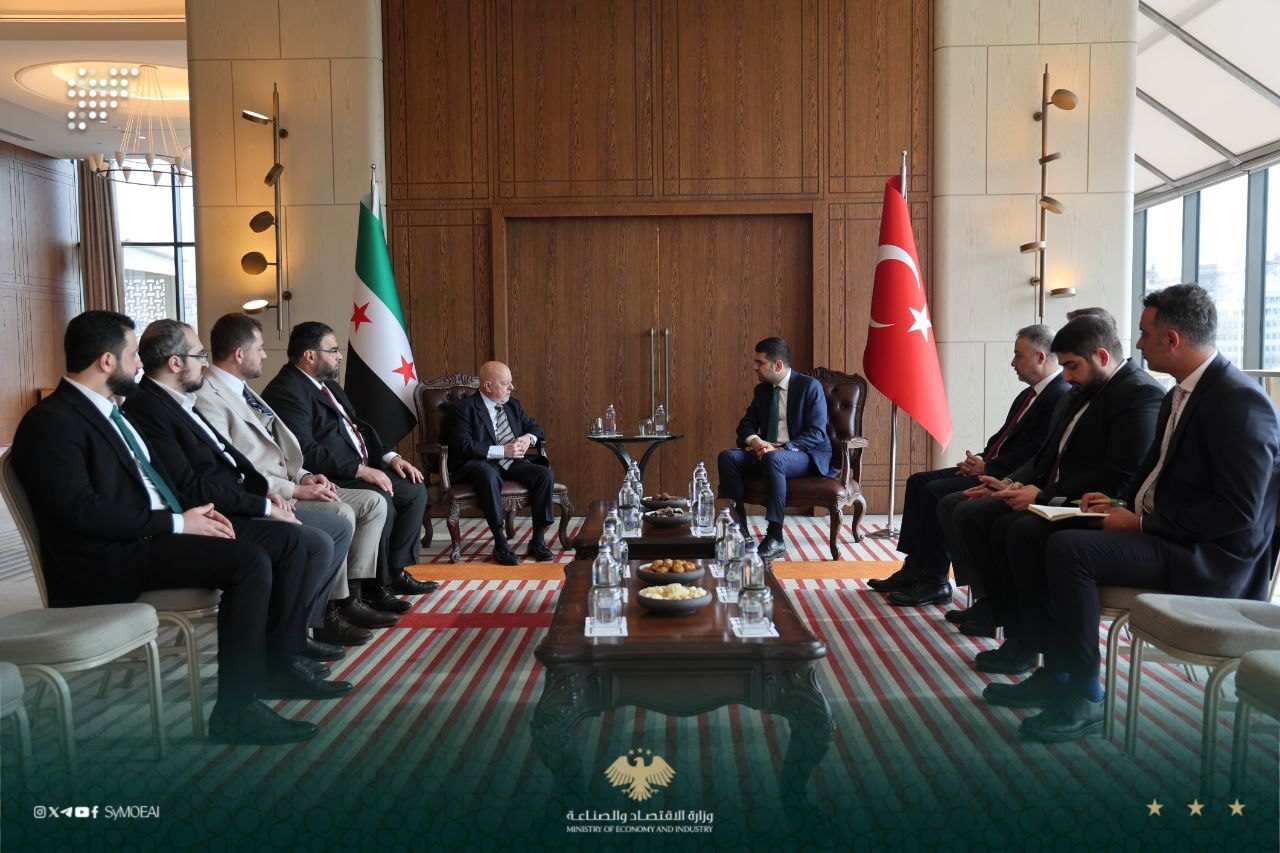
Syria’s Economy and Industry Minister Dr. Nidal al-Shaar, joined by Central Bank gov. Abdulqadir al-Husriya, met with Turkish Central Bank gov. Dr. Fatih Karahan to discuss stronger financial coordination between the two countries. Discussions focused on improving trade exchange mechanisms and easing payment channels and financial settlements, steps both sides see as essential to encouraging investment and stabilizing cross-border commerce.
Meetings also reflected a comprehensive regional strategy. By improving financial systems and reducing transaction barriers, both countries aim to create a more stable environment for businesses operating across their markets.
Export Networks Shift Toward Direct Coordination
Attention then turned to export infrastructure as the Syrian Authority for the Development and Support of Local Production and Exports met with the Turkish Exporters’ Assembly, known as TIM. Officials described the talks as practical and strategic, with an emphasis on moving beyond formal coordination toward direct export integration.
The discussions centered on creating direct channels between exporters, accelerating trade flows, and addressing technical and logistical obstacles continuing to slow the movement of goods. Syrian officials said the effort fits within a wider plan to reopen foreign markets and restore confidence in Syrian-made products.
They also stressed the next phase will depend on institutional partnerships rather than isolated initiatives, a shift intended to support long-term growth and strengthen Syria’s role as a regional production and export center.
Industrial Investment and Trade Fair Expansion
Industrial cooperation emerged as another major theme during Shaar’s meeting with Bahattin Tatoglu, chairman of Renault-Turkey MAIS. Their talks focused on opportunities in the Syrian market, particularly vehicle assembly and after-sales services.
Shaar said the Syrian government remains committed to creating an investment-friendly environment through regulatory facilitation and support for foreign companies. He said such investment could strengthen domestic industry, create jobs, and increase the economy’s added value. Tatoglu said the company is interested in studying opportunities for future investment and mutual cooperation in Syria.
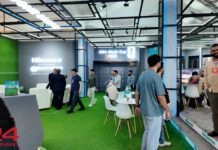
In a parallel track, Muhammad Hamza, director-general of the Syrian Corporation for International Fairs and Markets, met with senior executives from Turkey’s TUYAP fair organization. The two sides discussed expanding cooperation in trade exhibitions, exchanging institutional expertise, and coordinating practical steps to strengthen the fairs sector in both countries.
A Regional Economic Reset
Taken together, the Istanbul meetings point to a renewed effort to reconnect Syria with regional markets through finance, exports, manufacturing, and trade events. For Syria, the talks offer a route toward rebuilding market access and attracting foreign capital. For Turkey, the engagement creates new opportunities in trade and industrial cooperation while reinforcing its economic role in the region.