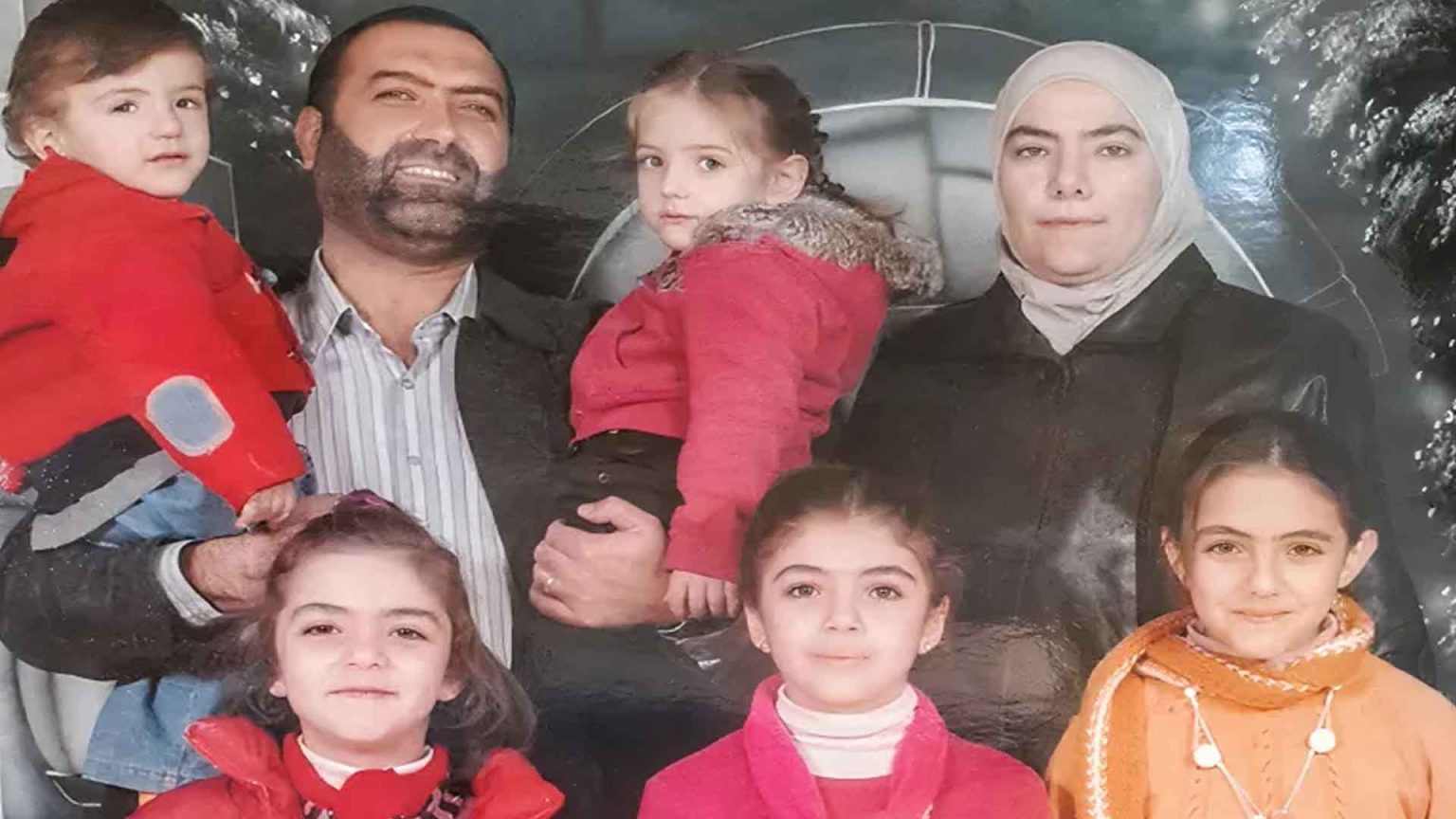
 The National Commission for Missing Persons (NCMP) announced its investigation has largely concluded that the six children of Syrian dentist Dr. Rania al-Abbasi, who disappeared along with their parents over a decade ago during Bashar al-Assad’s rule, were murdered.
The case of Abbasi, a dentist and former Syrian chess champion, remains one of Syria’s most prominent cases of enforced disappearance. Since the family’s disappearance in 2013, relatives and human rights advocates have sought answers about their fate, turning the case into a symbol of the broader issue of missing persons in Syria.
NCMP said its findings are based on extensive investigative work and the cross-referencing of information from multiple sources. In a statement, the commission said it had reached “reliable and cross-referenced results” allowing it to conclude “with a high degree of professional certainty” that the children are deceased.
Before announcing the findings publicly, NCMP informed family members of the results. The commission also emphasized efforts to locate the children’s remains continue in coordination with relevant authorities. It reaffirmed its commitment to investigating the fate of Syria’s missing persons through a professional, humanitarian and legal approach respecting victims while upholding families’ right to know the truth.
Evidence Points to Former Regime-Linked Groups
The Syrian Ministry of Interior revealed its investigation uncovered evidence indicating that groups and militias linked to the Assad regime killed the children. The ministry said the findings rely in part on testimony provided by detained suspects.
According to the ministry, NCMP supported the investigation by providing video footage and related information that strengthened the available evidence. Preliminary findings implicate Amjad Yusuf, who authorities identified as a key suspect in the 2013 Tadamon massacre. Officials said investigations remain ongoing as authorities seek to identify and locate other individuals who may have been involved before legal proceedings move forward.
Family Recognition Ends Years of Uncertainty
Hassan Abbasi, Dr. Rania’s brother, confirmed the deaths in a video posted on Facebook. He said family members had viewed recordings attributed to Amjad Yusuf. According to Hassan Abbasi, one video showed children in a dark room while Yusuf referred to them as “major financiers of terrorism.”
Family members identified the children in the footage as Dr. Rania Abbasi’s sons and daughters. Human rights organizations report Dr. Rania al-Abbasi, her husband Abdurahman Yassin and their six children disappeared in March 2013 after security forces raided their home in the Dummar Project area of Damascus. For over a decade, their whereabouts remained unknown.
A Broader Missing Persons Crisis
The Abbasi family’s case highlights the scale of Syria’s missing persons crisis. The issue includes detainees who disappeared in Assad regime prisons, as well as people who vanished during military operations, at checkpoints, or while fleeing conflict and displacement.
No comprehensive official database exists, and estimates vary widely. The NCMP estimates that over 130,000 people have gone missing since 2011. The commission also suggests the total could reach 300,000 when accounting for earlier violations, years of conflict and large-scale displacement.