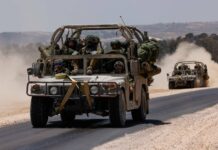
Recent weeks has seen repeated incursions by Israeli forces into the provinces of Daraa and Quneitra. According to Syria TV, Israeli patrols consisting of up to 20 vehicles entered villages in the Yarmouk Basin, including Maariya and Jamla, as well as areas between Jamla and Saisoun.
The raids mostly occur ar night, accompanied by flares and reconnaissance aircraft. Residents reported the operations caused panic among civilians. Israeli forces also conducted night raids in the town of Jabata al-Khashab, where homes were searched while drones circled overhead.
Civilian Impact and Reports of Arrests
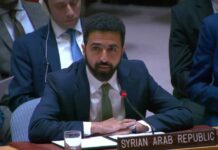
Escalation coincides with growing concerns about civilian welfare. In a statement, the UN warned that Israeli operations are increasingly affecting daily life, citing harassment, house raids, arrests and restrictions on movement. The organization also noted reports of chemicals sprayed on agricultural lands and bombardment that limits farmers’ access to their fields.
According to Syrian government figures cited by the UN, at least 250 people have been abducted in southern Syria since Assad’s fall, including children. Around 50 remain missing, with some transferred to prisons in the occupied Golan Heights, raising concerns about arbitrary detention and enforced disappearance.
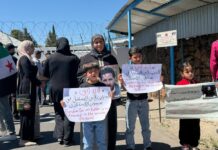
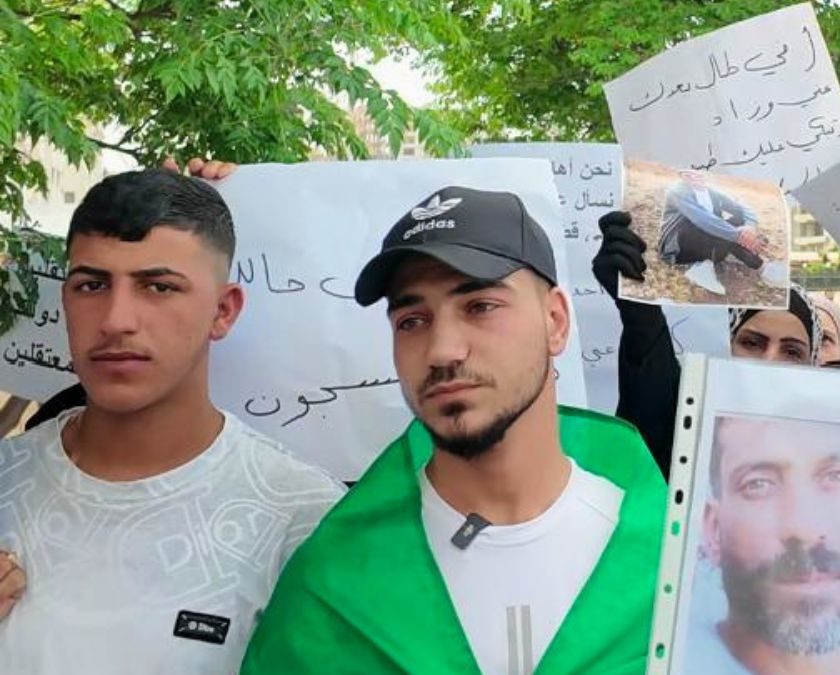
Families of detainees have taken their demands to Damascus. During a protest outside the Ministry of Foreign Affairs, relatives called for international intervention and transparency regarding the fate of detainees.
Some detainees, including minors, have been held for two years. Families request government action to secure releases and clarify conditions. The number of detainees from Quneitra, Daraa and Rural Damascus is estimated at 46, according to organizers.
Humanitarian Concerns and Damage to Infrastructure
Beyond arrests, residents and local sources report damage to vital infrastructure. Israeli shelling targeted areas near the Mantarah Dam in Quneitra, with at least five shells landing near the site. While no casualties were reported, such strikes raise fears over water security and agricultural sustainability.
The International Committee of the Red Cross visited villages in Quneitra to assess humanitarian needs, where residents detailed the cumulative impact of incursions, land restrictions and abductions. Community members also submitted lists of abducted individuals, requesting legal and humanitarian follow-up. The UN warned these developments undermine livelihoods, particularly in agricultural communities, and disrupt family life and privacy rights.
Settlement Plans Draw War Crimes Warnings
Alongside military escalation, new settlement plans in the Golan Heights drew international criticism. April 17, the Israeli cabinet approved a $334 million plan expanding settlements, including the development of Katzrin into what officials describe as a central urban hub, with plans to bring in 3,000 families by 2030.
The move prompted sharp criticism from Human Rights Watch. Senior researcher Hiba Zayadin said “the Israeli cabinet has allocated public funds to commit a war crime in Syria,” referring to the transfer of civilian populations into occupied territory.
The organization warned that such actions violate international humanitarian law and could have lasting consequences for displaced Syrians. It called on the EU and other influential countries to suspend trade agreements and restrict business activities linked to settlements.
The UN also reiterated settlement expansion in occupied territory constitutes a violation of international law. UN High Commissioner for Human Rights Volker Turk called for an end to violations and accountability for those responsible.
Airspace Tensions and Regional Implications
Tensions extend beyond ground operations. Israeli officials expressed concern regarding Syria’s efforts to rebuild its air defense systems, according to reports from Israeli media. The developments could challenge Israel’s long-standing “operational freedom” in regional airspace.
At the same time, Syria signaled its intent to restore sovereignty over its skies, raising the prospect of further friction. Israel fears enhanced Syrian defenses could alter the strategic balance, particularly if accompanied by shifts in international alignments. As military activity, settlement expansion and humanitarian concerns converge, southern Syria remains a flashpoint with implications that extend well beyond its borders.