Violent clashes erupted early Monday, May 4, in the western countryside of Suwayda province between Syrian Internal Security Forces and the National Guard militia affiliated with cleric Hikmat al-Hijri, according to local reporting.
The Suwayda-based outlet Suwayda 24 reported that the fighting began after National Guard elements targeted government positions in the areas of Rima Hazem and Walgha. The attacks triggered sustained exchanges of fire across multiple axes, with both sides deploying medium and heavy weapons.
Witness accounts cited by the outlet described widespread use of heavy machine guns and mortar shells, underscoring the intensity of the confrontation. The clashes marked one of the most significant escalations in the province in recent months.
Attempted Infiltration Sparks Escalation
Sources cited by Suwayda 24 said a group from the National Guard’s 501st Battalion, known as the “Hamza Knights,” attempted to advance toward the Mansoura and Rima Hazem axis under heavy fire cover. The group reportedly used 23 mm machine guns and 107 mm rockets during the operation.
Syrian Security forces detected the movement early and responded with light and medium weapons, halting the advance and triggering direct clashes. The fighting later intensified with mortar fire exchanged between both sides. There are no confirmed reports of casualties as of Monday, though the scale of the weapons used suggested the potential for significant damage.
Tensions Rise After Jordanian Airstrikes
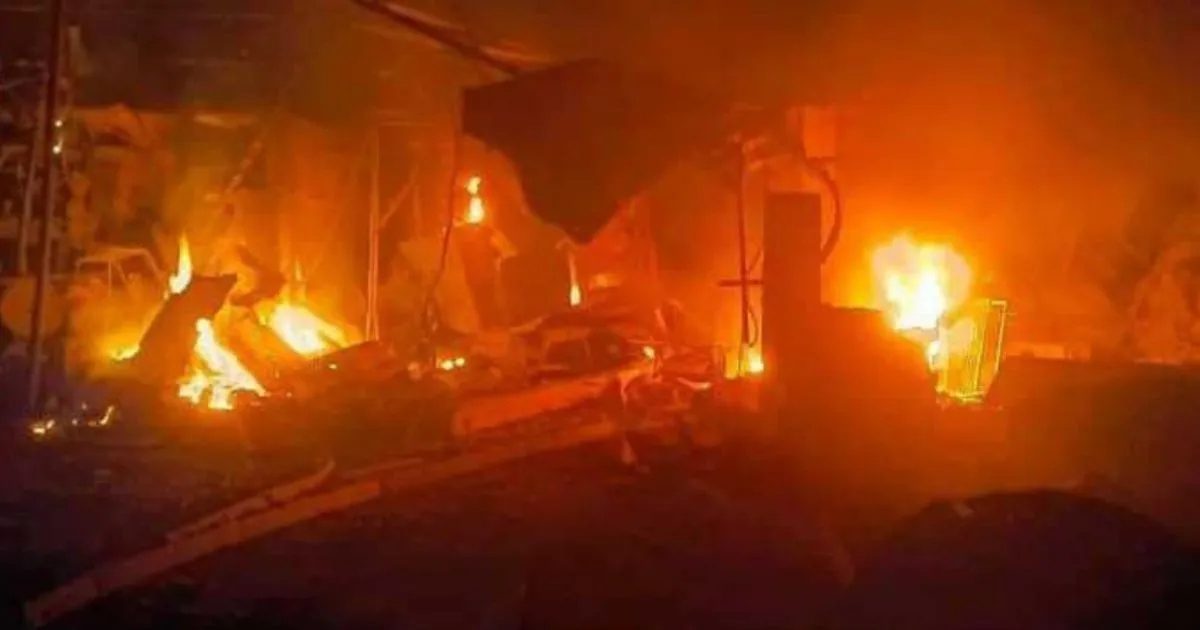
The clashes followed a series of Jordanian airstrikes carried out early Sunday targeting suspected drug and weapons trafficking sites in Suwayda province. The Jordanian military said in a statement that its forces conducted a “deterrence operation” against facilities used by smugglers along the northern border.
According to the statement, the strikes targeted factories, warehouses and launch points used to move narcotics and weapons into Jordanian territory. Officials said the operation relied on intelligence identifying the locations of these sites and aimed to curb a recent surge in smuggling activity. The timing of the clashes has drawn attention to reported links between Suwayda-based armed groups and trafficking networks operating in southern Syria.
National Guard Responds to Allegations
In a statement issued Sunday, the National Guard denied involvement in drug smuggling activities while rejecting claims that Suwayda serves as a hub for such operations. The group argued the region lacks the infrastructure needed to support production, citing what it described as a state of siege.
At the same time, the statement criticized the Jordanian airstrikes, alleging they targeted civilian homes and relied on intelligence tied to the Syrian government. The group did not provide evidence to support those claims.
Despite asserting it has worked to counter smuggling, the National Guard did not outline specific mechanisms for oversight or cooperation with international bodies. Instead, it called for independent investigations and compensation for those affected by the strikes.
Uncertain Security Outlook in Southern Syria
The convergence of cross-border strikes and internal clashes highlights the fragile security environment in Suwayda. Analysts and local observers noted the growing complexity of armed networks in the region, where local factions, foreign powers, smuggling operations and political tensions often intersect.
While the immediate trigger for Monday’s clashes appears linked to battlefield developments, the broader context suggests deeper underlying disputes. With competing narratives and limited transparency from involved parties, the situation remains fluid.