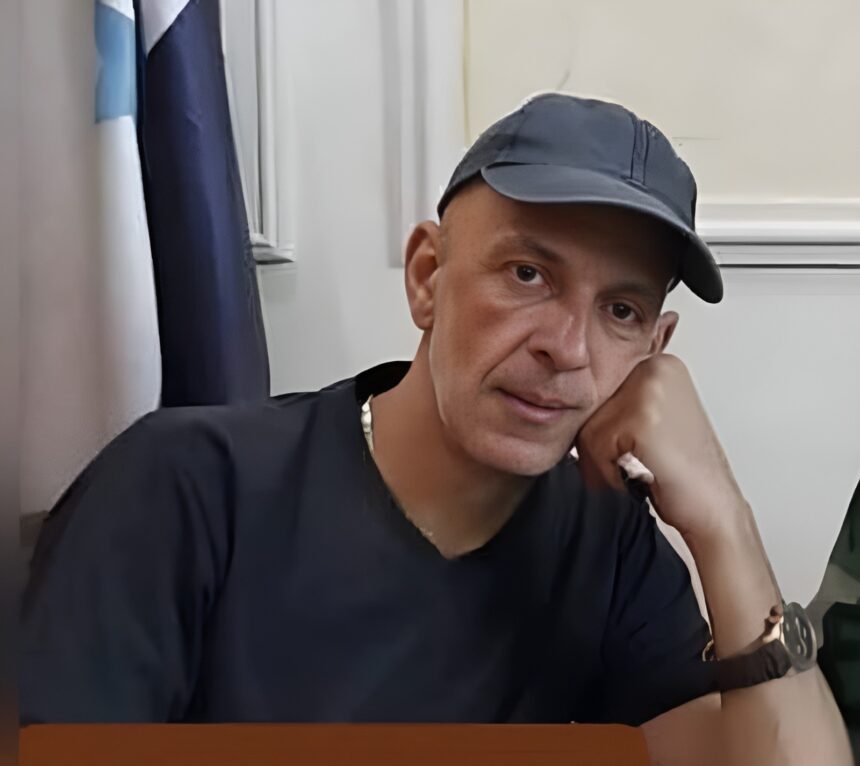
A Swedish court has sentenced a 55-year-old Swedish citizen, Mahmoud Sweidan to life imprisonment for serious war crimes committed during Syria’s civil war, according to a ruling by Solna District Court. The man was convicted of two counts of grave crimes against humanity tied to events in Yarmouk, a district south of Damascus, during 2012 and 2013.
“The district court has considered the acts to be serious because they have targeted a large number of civilians and several people have died and been injured,” said councilor Hampus Lilja in a press release issued by the court. The court determined that the crimes occurred amid the armed conflict under the rule of Bashar al-Assad, when regime forces were accused of widespread violations of international law.
Attack on Protesters in Yarmouk
One of the convictions stems from an attack on a peaceful demonstration on July 13, 2012. According to the court, forces loyal to Assad opened fire on civilians, killing about ten people and injuring several others. The defendant was found to have actively participated in the shooting.
The violence occurred during a period when Yarmouk was under siege. Reports cited by the court indicate roughly 18,000 civilians were cut off from essential supplies, leading to severe humanitarian consequences, including deaths from starvation and disease.
The district, once home to a large Palestinian and Syrian population, later faced extensive destruction during continued shelling in subsequent years, according to the European Center for Constitutional and Human Rights.
Roadblock Arrests and Abuse
The second charge involves the man’s role at a roadblock in Yarmouk between December 2012 and July 2013. The court found that he helped identify, check and detain civilians, who were then handed over to Assad security services.
“Those arrested have since been tortured, subjected to other severe suffering and, in some cases, deprived of their lives,” the court stated. The ruling emphasized the systematic nature of the abuses and the defendant’s direct involvement in facilitating them.
Long Legal Process and Victims’ Response
The investigation began after a tip from the Swedish Migration Board, at a time when the man had already obtained Swedish citizenship. The case marks another instance of European courts prosecuting crimes tied to the Syrian conflict under universal jurisdiction.
Ingrid Elovsson, counsel for the plaintiffs, described the legal process as lengthy and emotionally taxing for those involved. In comments to the Swedish news agency TT, she said her clients view the verdict as an important step toward justice.
“They see the verdict as an important redress for the serious suffering that they and their relatives have been subjected to,” Elovsson said, adding that they expressed gratitude for the work of Swedish authorities and the court. The court also ordered the defendant to pay compensation to victims and their families, reinforcing the ruling’s focus on accountability for wartime atrocities.