Syrian authorities announced the discovery of sites, munitions and materials linked to the Assad regime’s chemical weapons program, marking one of the most significant revelations about the Assad regime’s arsenal since its fall in December 2024.
May 26, the Organization for the Prohibition of Chemical Weapons (OPCW) Syria mission reported specialized teams uncovered aerial bombs, surface-to-surface munitions and components used in the production of sarin gas during coordinated search operations across Syria.
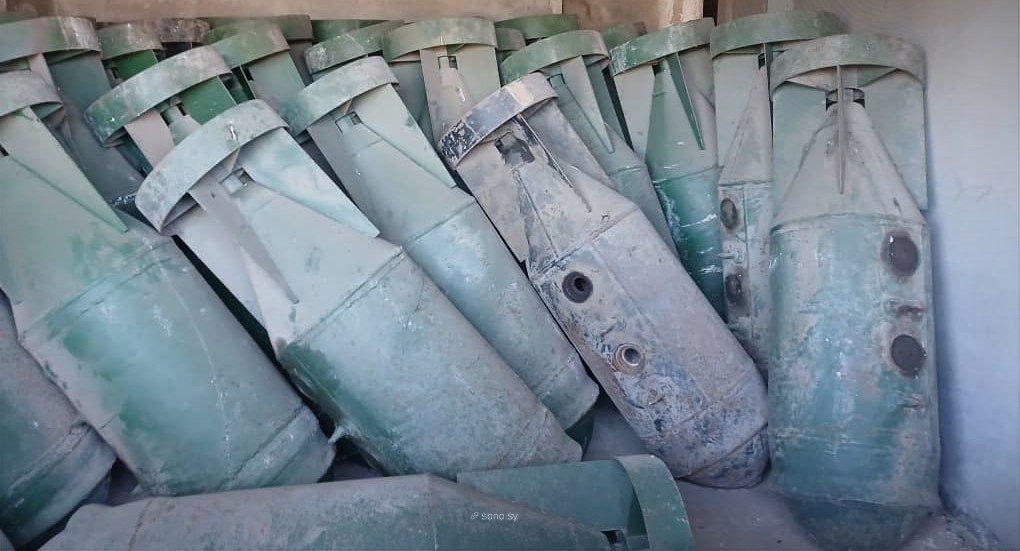
Investigators seized 54 aerial bombs similar to those used in the 2017 Latamneh attack in northern Hama and 25 surface-to-surface munitions resembling those deployed during the 2013 Eastern Ghouta attack near Damascus. The mission stated that Syrian hazardous materials teams also discovered mixing and storage equipment along with additional substances still undergoing laboratory analysis.
Syrian officials said all recovered materials and munitions have been transferred to designated storage facilities and will be destroyed under OPCW supervision to prevent threats to civilians and the environment. The discoveries emerged as Syria participates in discussions in The Hague on accountability for chemical weapons use during the country’s civil war.
Arrests Target Former Officials
Authorities arrested 18 people, pending investigation, over alleged involvement in Assad’s chemical weapons program. Muhammad Katoub, Syria’s permanent representative to the OPCW in The Hague, told Reuters detainees include senior military, political and technical figures connected to Assad’s chemical weapons infrastructure. The arrests are part of efforts aimed at prosecuting those accused of manufacturing or deploying chemical agents against civilians.
Katoub said authorities also recovered over 70 missiles and bombs tied to the program, along with raw materials associated with sarin gas production. The Syrian mission said several detainees previously worked at the Scientific Research Center and within security bodies responsible for overseeing the chemical weapons program during Assad’s rule.
Shaibani Highlights New Chemical Weapons Progress
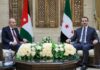
May 26, Foreign and Expatriates Minister Asaad al-Shaibani said Syrian authorities achieved new progress in efforts to dismantle remnants of the former Assad regime’s chemical weapons program. Shaibani says specialized teams located additional ammunition, chemical materials and equipment used for mixing and storage operations linked to the program.
He also revealed authorities secured the recovered materials, transferring them to specialized facilities ahead of destruction under approved technical procedures. Shaibani adds these discoveries followed “long months of national, intelligence and technical work,” including gathering and analyzing information and entering what he described as “high risk” locations connected to Assad’s weapons infrastructure.
The foreign minister emphasized Syria continues coordinating with inspectors from the OPCW, facilitating visits to dozens of suspected sites while investigators pursued accountability measures against individuals accused of involvement in the chemical weapons program. Shaibani described the cooperation as part of a broader “New Syria Vision” centered on transparency, stability and coordination with international organizations.
International Teams Continue Inspections
Syrian officials said cooperation with OPCW inspectors intensified following the country’s liberation. The mission stated national teams facilitated visits to 32 suspected chemical weapons sites and submitted reports on 14 additional locations. Officials said the operations helped narrow the list of suspected facilities and prioritize inspections.
Last year, the OPCW revealed over 100 sites in Syria were suspected of containing chemical weapons remnants. The organization cited intelligence from member states, nonprofit organizations and external researchers. Syrian officials acknowledged that dismantling the program remains difficult because Assad-era authorities operated under strict secrecy and dispersed facilities across remote and fortified locations.
In September 2025, Ibrahim Olabi, Syria’s representative to the UN, said Syrian officials working on the chemical weapons file were “witnesses and survivors” determined to eliminate the program permanently. The OPCW mission said ongoing operations reflect the country’s commitment to accountability, the destruction of chemical weapons stockpiles and preventing future attacks against civilians.