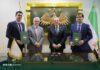
 Syria’s Ministry of Health signed an agreement with the Turkish company Kolalak to provide specialized food supplies for children diagnosed with phenylketonuria (PKU), marking a significant step in supporting patients with rare genetic disorders.
PKU is a genetic disorder preventing the body from processing proteins, causing a build of of toxins that can result in irreversible intellectual disabilities and developmental delays. However, infants can be treated with strictly controlled, low-protein diet and specialized medical formulas keeping phenylalanine levels within safe ranges.
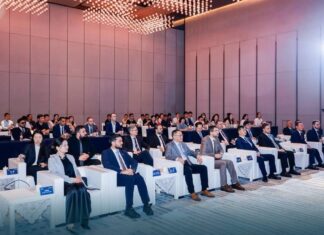
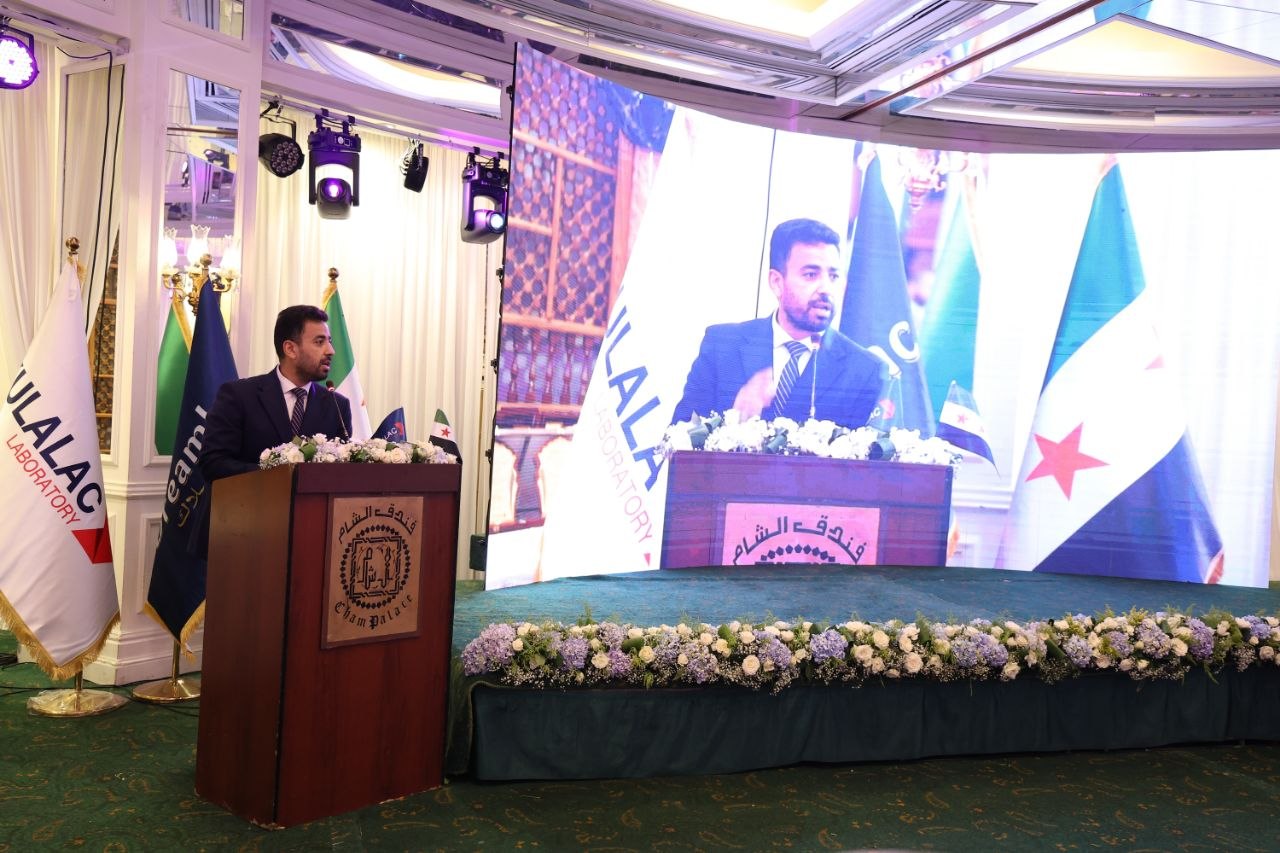
The initiative forms part of broader efforts strengthening patient support systems while expanding early detection and diagnostic programs. The agreement was formalized during an event organized by Kolalak at the Sham Hotel in Damascus under the patronage of the Ministry of Health to support patients with metabolic disorders.
Minister of Health Dr. Musab al-Ali emphasized the importance of the partnership, noting although PKU is a rare genetic disorder, early diagnosis and adherence to appropriate therapeutic nutrition allow affected children to lead normal lives. He warned without proper treatment, the condition can result in permanent disabilities.
Ali said the ministry updated its patient registration database. Current figures indicate about 159 children were diagnosed with PKU nationwide, although additional undiagnosed or unregistered cases are likely. Under the agreement, Kolalak will donate enough therapeutic milk to meet the needs of 250 children over the next three years, helping reduce burdens on affected families.
Expanded Research, Screening and Early Diagnosis
Ali said the ministry is also working to strengthen newborn screening and early detection programs, with plans to introduce additional tests. “We are implementing a project aimed at providing screening and awareness services in approximately 30 health centers,” he said. “We are also enhancing awareness among pediatricians to ensure they request the necessary tests when the condition is suspected, contributing to earlier diagnosis and improved treatment outcomes.”
Hozan Muhammad, director of Kolalak, outlined the company’s efforts to develop specialized nutrition for PKU patients. He explained that metabolic disorders are rare inherited diseases caused by specific genetic mutations carried by parents, with a higher likelihood in cases of consanguineous marriage.
Children with PKU cannot safely consume conventional foods or breast milk and instead require specialized nutritional products. Muhammad said Kolalak spent about three years researching and testing its therapeutic milk, which is produced by only a limited number of companies worldwide.
“We have been distributing this milk free of charge to affected children in Syria for about a year, achieving positive results,” he said. “We have donated milk supplies for 250 children with metabolic disorders for three years. We are fully prepared to support any additional cases diagnosed in the future to ensure continued access to essential therapeutic nutrition.”
Research Development Consultant Dr. Jumaa al-Omar said the product was developed in collaboration with academic institutions through laboratory and clinical studies. He added the program sought to raise awareness about PKU while encourageing early testing, stressing prompt diagnosis and consistent dietary treatment can help children avoid serious neurological complications and lead healthy lives.