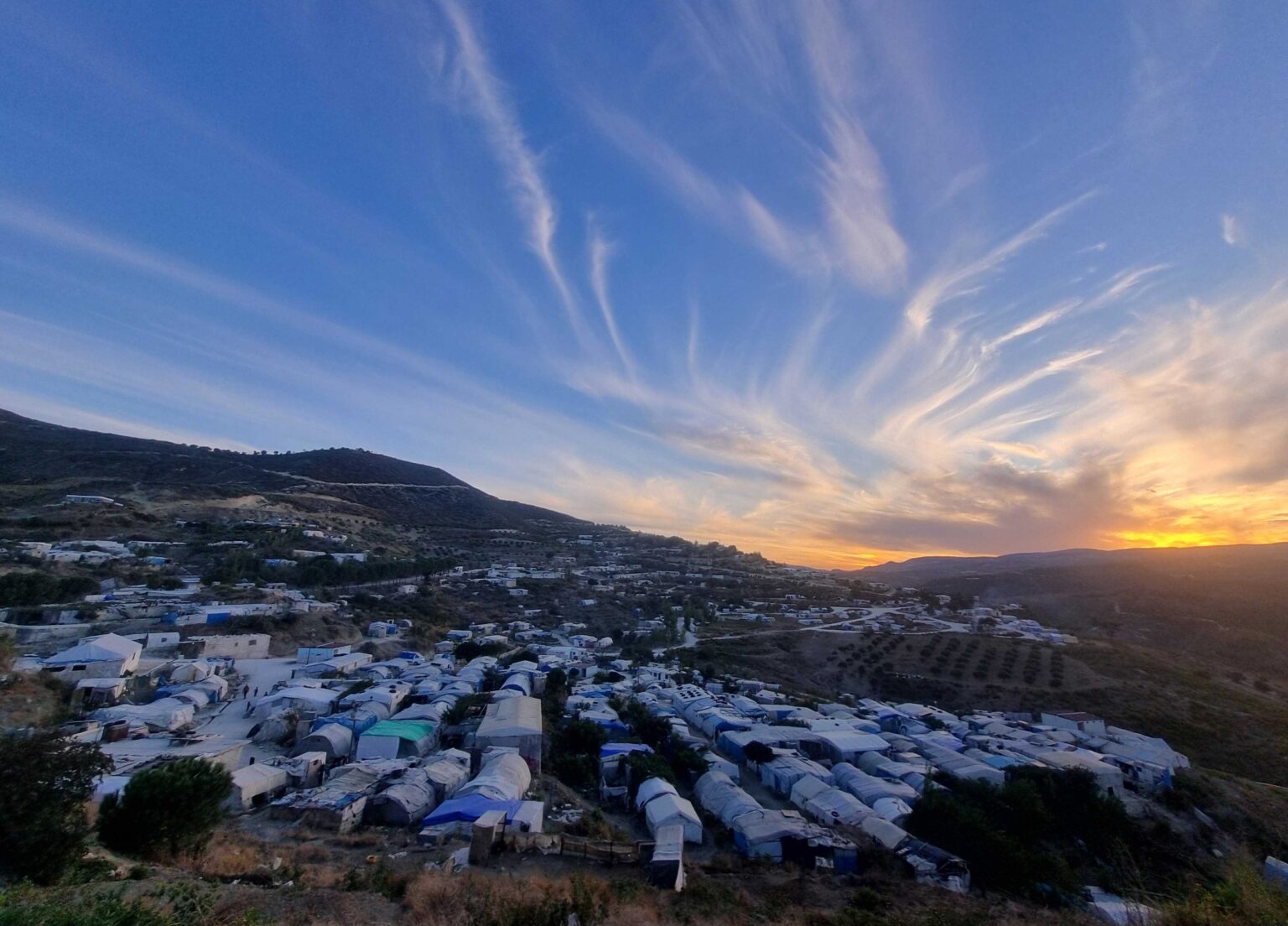
 The government unveiled a new plan addressing displacement camps in Idlib, aiming to return approximately 35,000 families to their original areas during 2026. The initiative targets one of northern Syria’s most complex humanitarian challenges, as hundreds of thousands of internally displaced people (IDP) continue to live under circumstances that have evolved from temporary needs into a prolonged reality.
The Idlib Directorate of Social Affairs and Labor said the first phase will focus on closing fabric tents, while simultaneously rehabilitating essential services in return areas to enable an orderly shift from reliance on humanitarian aid to recovery and stability.
Government Pledges Repatriation
Camp residents continue to face recurring hardship, particularly during harsh weather conditions. The displacement crisis remains one of the government’s most pressing files, described by officials as a heavy legacy of war and destruction.
Ahlam al-Rashid, director of Social Affairs and Labor in Idlib, pledged to make 2026 a “year of return,” promising to facilitate the repatriation of displaced families to their towns and villages and to begin ending the camp era.
She said the number of camps in Idlib has already decreased from 850 to 750 following the return of some families after late 2024 developments. Deputy Director Bahaa Eddin Moglaj said efforts are currently concentrated on closing informal camps before the end of this year.
From Relief to Recovery
Moglaj said the transition from relief to recovery means moving communities away from long-term aid dependency and toward renewed local production. This approach includes rehabilitating basic infrastructure in newly liberated areas and supporting returnees as they reestablish their lives.
He added priority in the provision of permanent housing projects will be given to the most vulnerable families. Funding allocations will be based on field assessments and implemented through government-led campaigns in coordination with humanitarian organizations and civil society partners.
Regarding the 6,000 housing units constructed in northern Syria by aid organizations, Moglaj said they will serve as transitional accommodation until more durable and organized housing solutions are available.
Ongoing Humanitarian Reality
Before recent returns, camps in Idlib were estimated to house approximately 120,000 families, around 719,000 people, most living in deteriorating tents offering limited protection against rain, wind and cold. Over 450 camps are classified as high risk due to exposure to harsh weather conditions, and over 90% of tents reportedly require urgent replacement due to damage and prolonged use.
Despite the government’s announced plans, displacement camps remain a deeply entrenched social and humanitarian reality for many families and children who have known no other living conditions for years.