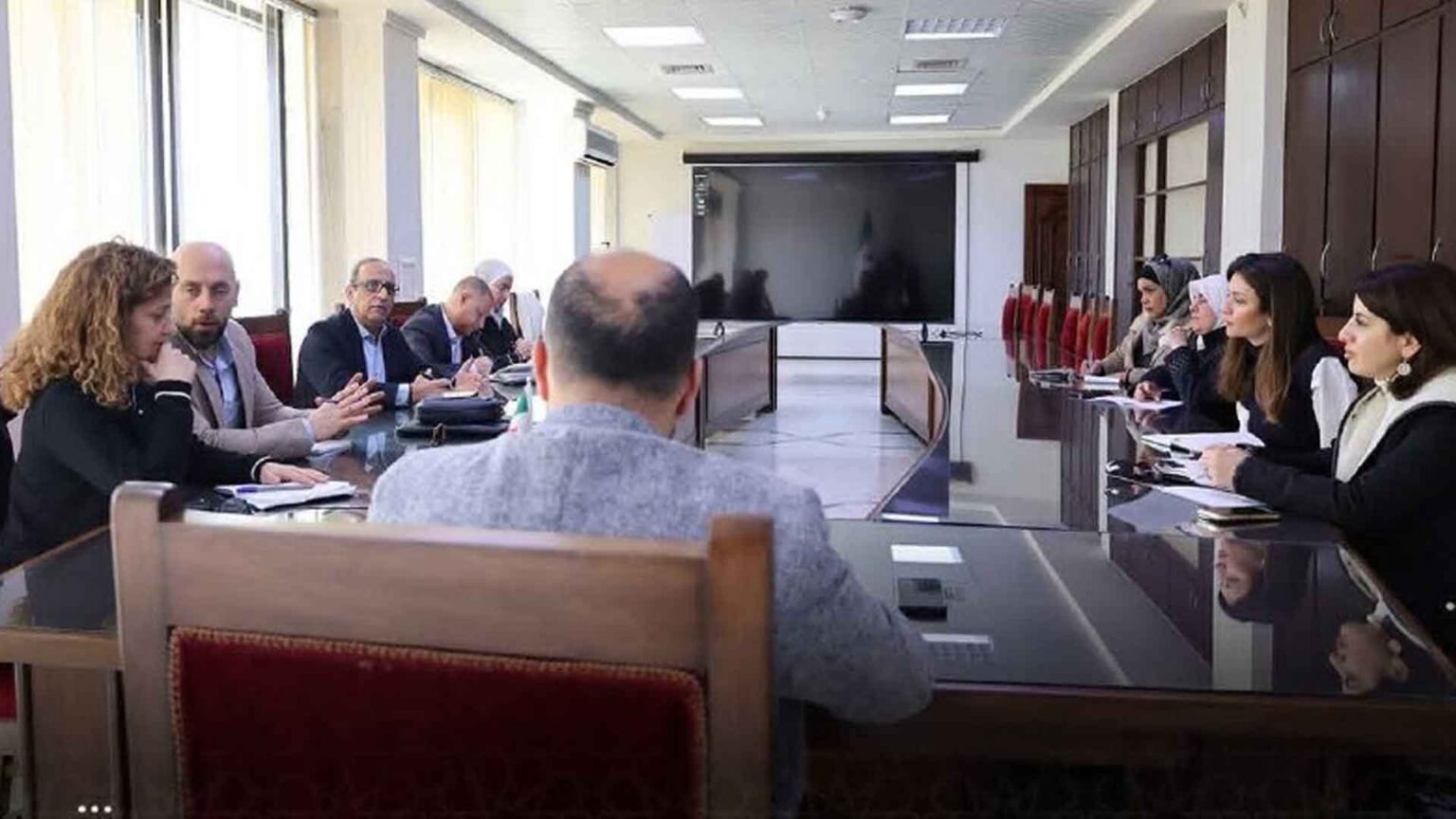
 After years of disruption, Hasakah city is moving closer to the restoration of water service as Syrian authorities, UNICEF and the International Committee of the Red Cross work to reactivate the Alouk water station, the main source of drinking water for the governorate.
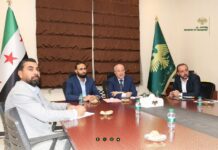
The station has remained largely offline for years, leaving residents dependent on emergency alternatives and unstable supply systems. Recent coordination efforts now focus on returning regular pumping to the city, its suburbs and surrounding western countryside. The General Establishment for Drinking Water and Sanitation said it has held a series of meetings with UNICEF and the ICRC to accelerate the station’s return to service.
Those discussions have centered on technical requirements, logistical coordination and the division of responsibilities among local authorities and international partners. Officials said the agency is prepared to provide the support needed to speed field work, citing the urgent need to stabilize water access across Hasakah.
Lifeline for More Than One Million
The Alouk station remains a critical piece of infrastructure because it serves more than 1 million people in Hasakah and nearby communities. Its restoration is expected to improve not only access to drinking water, but also broader living conditions, public health services and regional stability.
International agencies have repeatedly described the station as the only source capable of fully meeting the governorate’s large-scale water needs. Local officials say the project forms part of a broader effort easing residents’ long-running hardship while reinforcing essential infrastructure damaged by years of conflict and service interruptions.
Temporary Power Plan Moves Ahead
A major step in the reactivation effort is the installation of a mobile electrical substation in Darbasiyah, northwest of Hasakah. The temporary unit is expected to provide the electricity needed to restart the Alouk station while also supporting residential and service demand in nearby areas.
Authorities say crews are now preparing to connect the mobile substation to the water facility in the coming days as an interim measure until conditions allow a permanent electrical link. At the same time, maintenance and rehabilitation work continues at the Darbasiyah 66/20-kilovolt substation in cooperation with the ICRC, with the goal of returning that facility to service as soon as possible.
Broader Goal of Service Stability
The Ministry of Energy says the combined water and power measures are designed to ensure continuity in drinking water supply while improving electrical stability across the Hasakah countryside. More broadly, the effort reflects a wider regional plan to restore core public services and reduce reliance on emergency water trucking.
If successful, the Alouk station’s return would mark one of the most significant service restorations in northeastern Syria in recent years, offering long-awaited relief to communities that have endured repeated water shortages.