
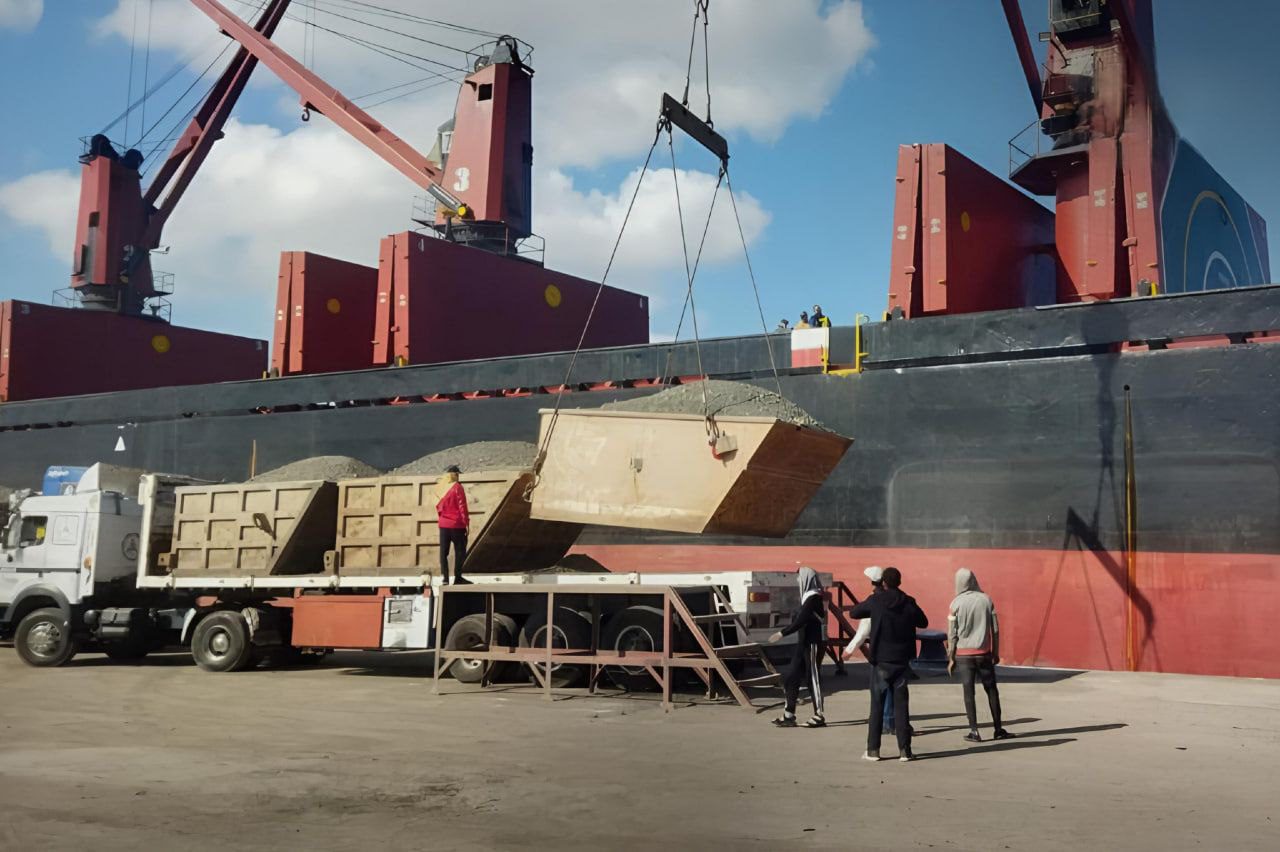
 In a step aimed at strengthening self-sufficiency in the cement sector, the General Company for Cement Industry and Building Materials (Omaran) announced that it expects to supply approximately 40% of Syria’s domestic cement demand by the end of the year.
The projected increase follows the arrival of new clinker shipments, the primary raw material used to produce cement before grinding, from the Egyptian company Cisco. The deliveries come under a memorandum of understanding signed between the two companies in Cairo on January 29, aimed at strengthening supply chains and supporting the development of the cement sector in both countries.
Cement Shipments Support Local Production
Muhammad Fadila explained that the shipments represent an important step toward maintaining continuous operations at the company’s production facilities. According to Fadila, the arrival of clinker will help ensure the uninterrupted operation of production lines in Omaran’s factories, which is expected to increase the quantities of cement produced and contribute to meeting the growing needs of the local market.
He noted that the agreement with Cisco provides a stable supply of this essential raw material, reducing the risk of shortages that could disrupt production. This stability, he said, also helps limit price volatility in the cement market and supports more predictable supply conditions.
Fadila added that the latest shipment is expected to significantly enhance the company’s ability to supply cement to the domestic market, particularly at a time when demand is rising due to infrastructure projects and reconstruction efforts.
Regarding the potential impact on cement prices, he emphasized that the initiative aims to ensure sufficient supply and stabilize the market. Increasing production volumes, he said, should help curb price increases and support both consumers and the national economy. Fadila also affirmed that the company continues to adhere strictly to Syrian quality standards and technical specifications throughout the cement production process.
Future Development Plans
Looking ahead, Fadila said Omaran is working to strengthen partnerships with both domestic and international companies to secure additional raw materials and maintain efficient production operations.
He added that the company is also studying new cooperation opportunities with specialized international partners in order to obtain raw materials under optimal technical and economic conditions. Future development plans include upgrading several production lines, expanding manufacturing capacity, and improving operational efficiency at the company’s factories.
By the end of the year, Omaran expects its plants in Aleppo, Hama, and Tartous to collectively produce around 3.5 million tons of cement annually, an amount expected to meet roughly 40% of the country’s domestic demand.