In Syria’s south, residents in Quneitra and nearby communities spent nights watching the sky pulse with missile interceptions, the sound of explosions arriving seconds later. Fragments fall into farmland and near homes, a reminder that even when Syria is not the intended target, the war raging between Israel, the US and Iran continues to impact the country.
That uneasy distance has become Syria’s defining reality. For the first time in over a decade of regional upheaval, Syria has avoided becoming a central battlefield. Yet geography, fragile infrastructure and the unfinished aftermath of 14 years of revolution and war mean Syria remains deeply vulnerable to the conflict’s political, economic and humanitarian shockwaves. The greater risk is not deliberate entry into the war, but unintended escalation through proxy attacks, cross-border provocations, or miscalculation as missiles and drones continue to traverse Syrian airspace.
A Policy of Distance Under Pressure
Syria’s current leadership has made staying out of the conflict a deliberate policy. In his Eid address last month, President Ahmad al-Sharaa said Syria transitioned from being an “arena of conflict” toward a more stable and cooperative role in the region. He emphasized that Syria maintains strong relations with neighboring countries while taking a cautious approach to avoid being drawn into broader conflicts.
Political and security researcher Mustafa al-Nuaimi described Damascus’ approach as “positive neutrality,” telling Levant24 that the “isolation of the Syrian arena is a clear objective for the emerging Syria.”
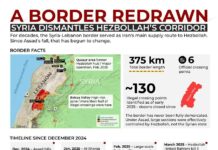
That neutrality has, for now, reduced the likelihood of Syria becoming an official front. Border controls with Iraq and Lebanon have tightened, and authorities continue to limit the ability of Iran-aligned groups to use Syrian territory as a launchpad. As one New Arab analysis noted, the policy “may mitigate the risks, but it does not protect the country from strikes or indirect involvement.”
Dr. Haid Haid, writing on Syria’s transition, captured the paradox clearly: Syria is more insulated than in the past, “yet more exposed in different ways.” The question is no longer whether it can avoid direct war, but whether it can manage the pressures that come with remaining in its shadow.
Proxies and Provocations
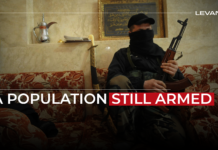
Recent drone and rocket attacks on military positions in Hasakah and near Tanf, widely attributed to Iran-linked militias in Iraq, show how easily Syria can become a signaling space in the wider confrontation. The attacks have so far remained limited, causing mostly material damage, but their strategic meaning is larger than their immediate impact.
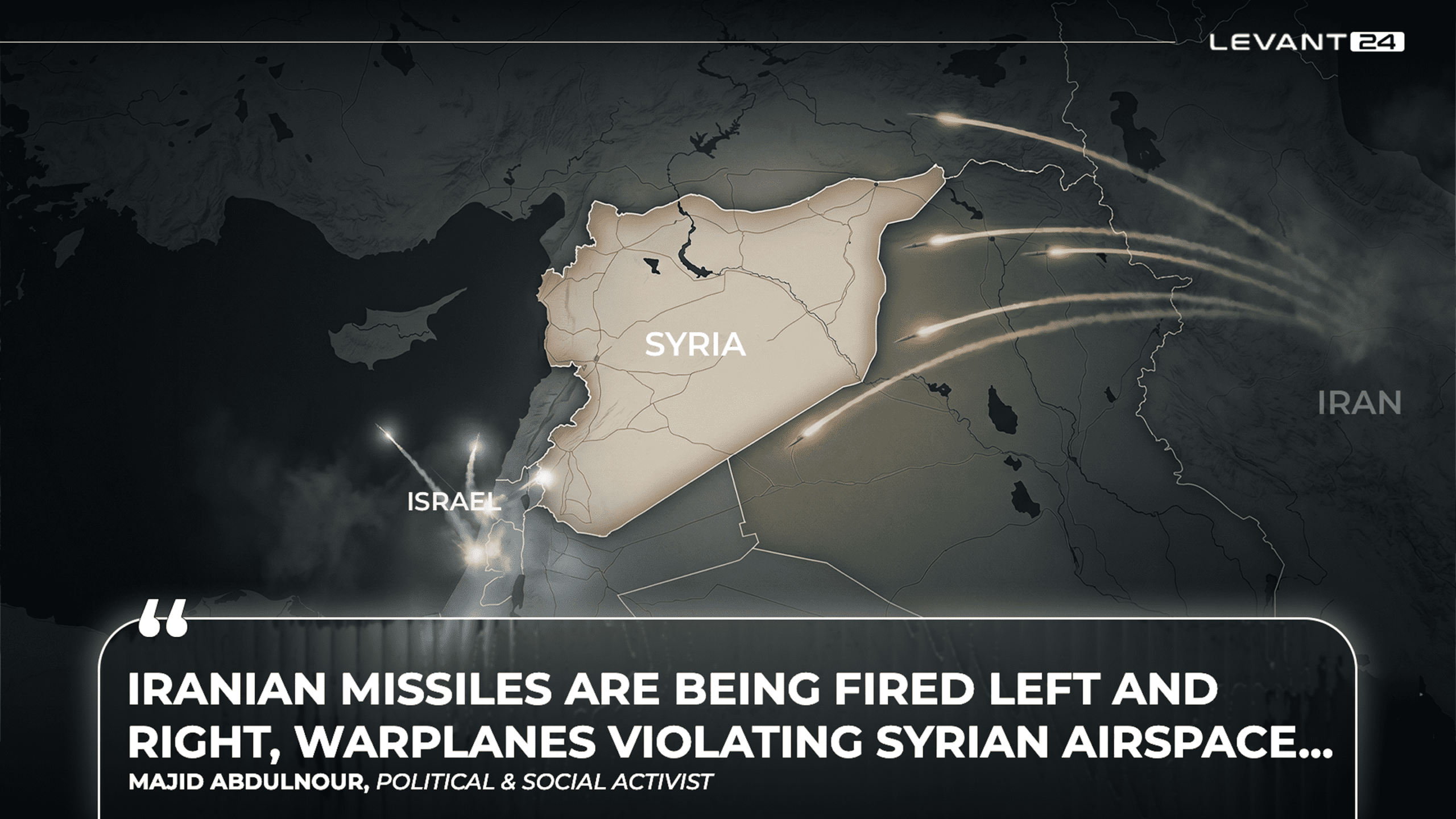
Syrian political and social activist Majed Abdulnour told Levant24 that “We’re seeing Iranian missiles being fired left and right, warplanes violating Syrian airspace, and Israeli missiles hitting Syrian and Iraqi territories,” warning that “all of this will have security repercussions for the region.” He added that Iran’s network of militias in Iraq and Lebanon could be mobilized “at any moment to destabilize Syria’s security,” especially if Tehran seeks alternative theaters for pressure.
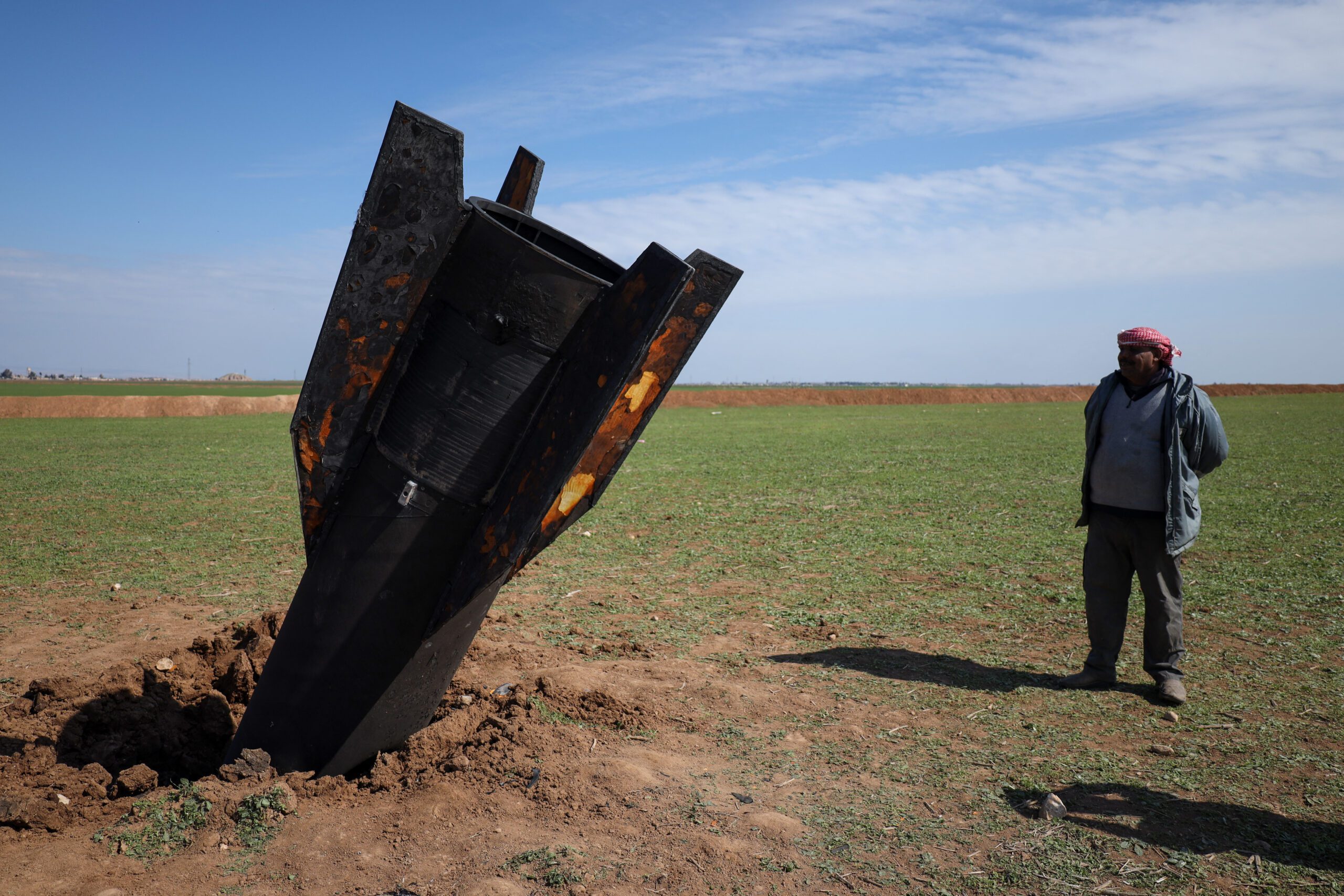
Several escalation scenarios outlined by the Tahrir Institute for Middle East Policy posit how things could unfold, including an expansion of Israel’s ground operations in southern Lebanon, increased US pressure on Damascus, or sustained Hezbollah cross-border activity forcing Syrian authorities to reassess their position.
Other risks extend beyond state actors. A resurgence of ISIS, potentially enabled by the diversion of US military resources elsewhere in the region, could open a parallel security front inside Syria. Reports of multiple foiled assassination attempts targeting President al-Sharaa in 2025 highlight the fragility of the current transition and the potential for internal destabilization.
Costs of War
For most Syrians, the first impact is likely to be felt in the market. Any sustained disruption around the Strait of Hormuz threatens driving up fuel costs in a country already dependent on outside energy supplies. Rising diesel costs feed into transportation, bread, food distribution and electricity generation.
“There’s no doubt that any war will have global repercussions, let alone a regional and interconnected war like the one in the Middle East,” Abdulnour said. He pointed specifically to “the closure of the Strait of Hormuz, rising oil prices, and the potential flight of investments from Gulf countries.”
According to ACAPS, an independent humanitarian data and analysis organization, global crude oil prices increased by around 50% since mid-March. In Syria, local reports indicate fuel demand has surged by over 300% above daily averages, while some imported petrol has doubled in price.
Abdulnour also pointed to a less obvious vulnerability: industrial supply chains. “Shortages and supply chain disruption are not just about food,” he said. “Even replacement parts could be affected.”
That detail matters because Syria’s recovery remains highly dependent on piecemeal repairs, imported machinery and fragile local commerce. A delayed shipment of vehicle parts, medical equipment or agricultural machinery can ripple outward into lost income and reduced services.
Humanitarian Strain on a Recovering Nation
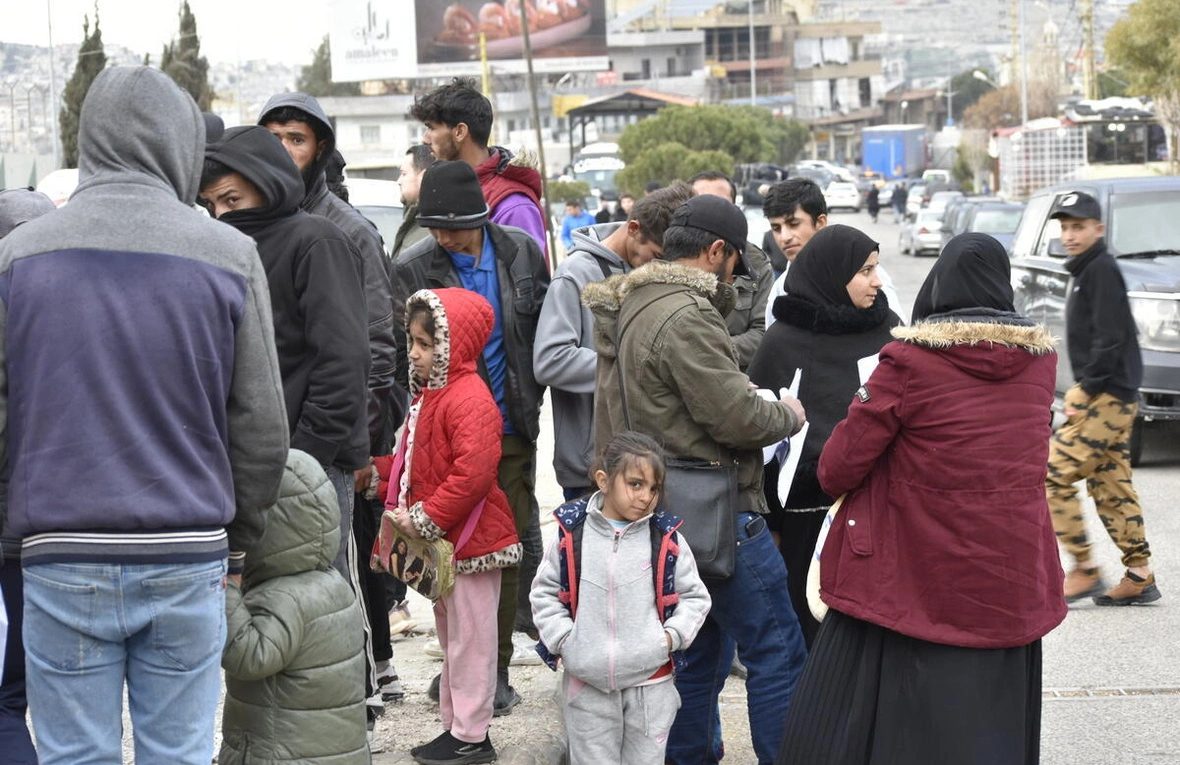
The humanitarian consequences may prove just as destabilizing. New displacement from Lebanon and potentially Iraq would place immediate pressure on a country that already hosts millions of internally displaced people while remaining reliant on aid networks weakened by declining international funding.
According to the UNHCR, around 277,000 people entered Syria from Lebanon between March 2 and April 12, including approximately 234,000 Syrian returnees and 43,000 Lebanese nationals. Of those Syrians, over 67,000 indicated an intention to return permanently, adding pressure to already strained infrastructure and services.
Risks extend beyond shelter. New arrivals increase demand for health care, food distribution, schooling and housing in already vulnerable areas. Competition over scarce resources can increase local tensions, especially in communities still struggling to rebuild after years of front-line destruction.
Between Crisis and Opportunity
Yet the same conflict exposing Syria’s fragility may also open a narrow economic opportunity. With maritime routes through Hormuz and the Red Sea facing disruption, Syria’s geography gives it renewed value as an overland connector between Gulf markets, Turkey and Europe.
That potential is already being discussed in concrete terms, including proposals to revive and expand energy and transit infrastructure. The historic Kirkuk–Baniyas pipeline, an 800-kilometer line with a capacity of 300,000 barrels per day, is under consideration for rehabilitation at an estimated cost of $4.5 billion. Iraqi officials have also proposed new pipelines capable of transporting up to 1.5 million barrels per day to Syria’s Mediterranean coast while hundreds of trucks have already delivered shipments for export at the Baniyas refinery since early April.
Concurrently, discussions have resumed regarding transporting Qatari natural gas through Syria and Turkey to Europe, a project spanning 1,500 to 1,900 kilometers in length. Parallel efforts include reactivating roughly 350 kilometers of railway lines between Syria and Turkey and advancing the so-called Four Seas project aimed at linking Gulf markets to the Mediterranean through Syrian territory.
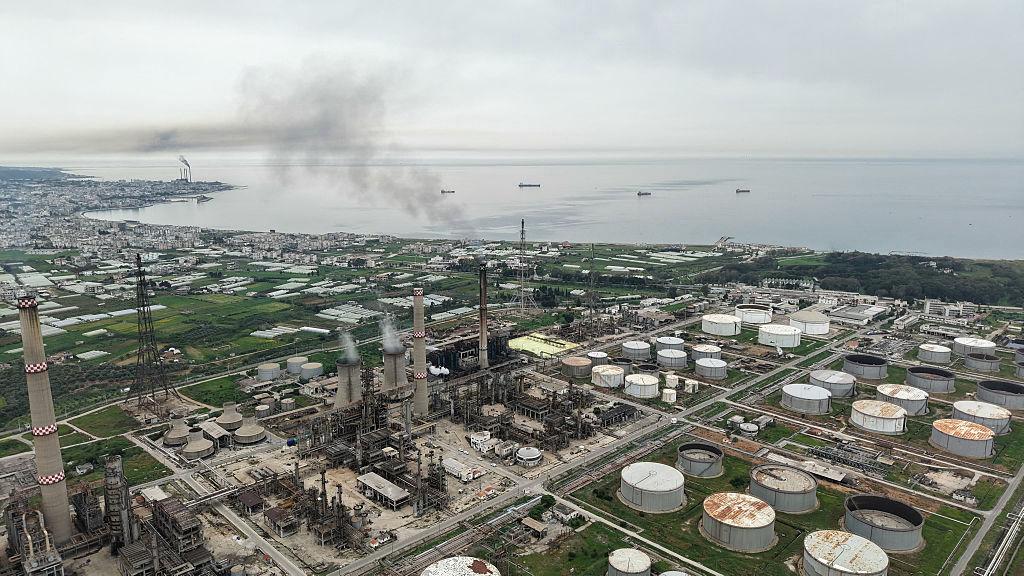
Abdulnour said the medium and long-term picture could include “investment opportunities for Syria as a logistical hub for supplies from Europe to the Gulf” and even future oil and gas pipelines from Iraq and Gulf producers. Haid’s reporting points in the same direction, highlighting reopened crossings with Iraq and growing interest in Syria as a transit corridor to Mediterranean terminals.
But that opportunity depends on stability, credible governance and functioning infrastructure. Without those, Syria’s role as a land bridge risks remaining a theoretical advantage rather than a durable recovery path.
For now, Syria sits in the crossfire absorbing a war whose consequences arrive through fuel pumps, border crossings, falling debris and the constant possibility of aggressive provocation. Its challenge is to keep that distance from collapsing into direct entanglement.