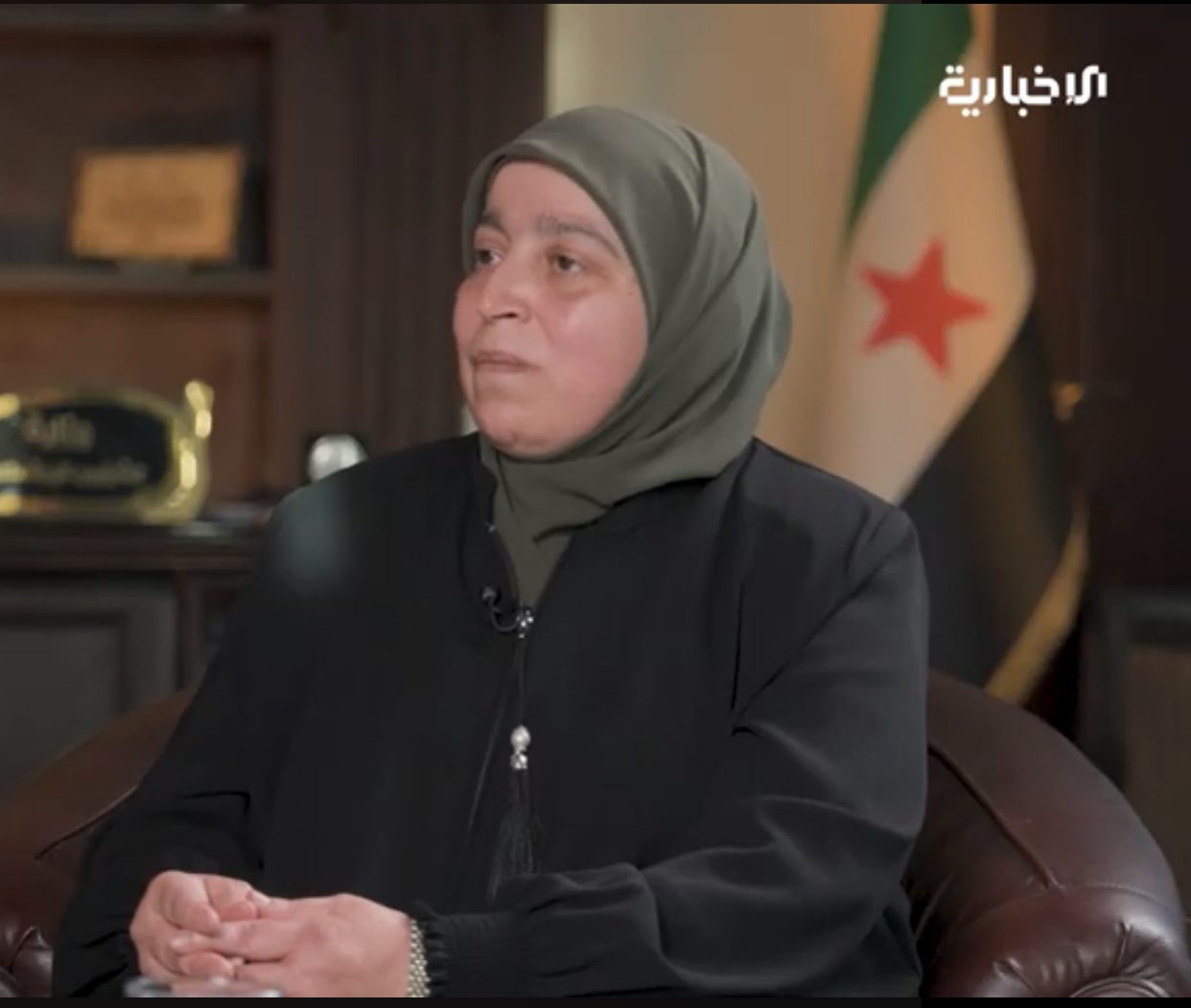
 The head of the Committee to Investigate the Fate of Children of Detainees, Dr. Raghdaa Zidane, says authorities documented 314 cases of missing children who were placed in care homes under the fAssad regime. Of those, 194 have been confirmed reunited with their families, while efforts continue to locate the rest.
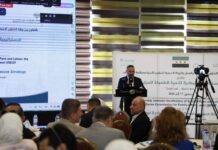
In an interview with Al-Ikhbariyah TV, Zaidan said the committee was formed after the country’s liberation. It was later restructured to include representatives from the ministries of Interior, Justice and Religious Endowments, along with civil society groups and families of the missing.
The expanded structure aims to improve accuracy as officials review records from care homes and juvenile detention centers. Volunteers, many of them family members, have also received training to assist with archiving, field visits and support services.
Peak Years Highlight Scope of Disappearances
Zaidan noted the total number of documented cases may increase as additional records emerge. While estimates from accredited organizations place the number of missing children during the conflict at around 3,800, the committee’s mandate focuses only on those placed in state-run “care homes” during the Assad era.
Most cases fall between 2012 and 2015, a period Zaidan described as the height of disappearances and reported violations. She stressed the figures represent more than statistics, pointing to systemic issues that affected recordkeeping and oversight at the time.
Incomplete Records Complicate Investigations
According to Zaidan, missing or altered records make the search process especially difficult. Many files lack basic information such as names, addresses or phone numbers. In some cases, documents appear to have been tampered with or lost altogether. She said the care home system at the time suffered from weak governance and limited monitoring. Testimonies collected by the committee suggest varied experiences.
Some children reported mistreatment or discrimination, while others appeared to receive adequate care. In several cases, children were registered under altered identities, particularly those of unknown parentage, which has further complicated efforts to trace families.
Ongoing Coordination and New Leads
The committee continues to work with the Ministry of Interior to update records and with the National Commission for Missing Persons (NCMP) to coordinate searches. It has also begun reviewing 612 affiliation files dating to the early years of the conflict.
Initial findings indicate that children listed between 2011 and 2015 were not linked to detainees, though reviews for later years are ongoing. Zaidan said genetic testing is used sparingly and only when necessary, in an effort to protect the privacy of children and families.
Changes in Care Home Oversight
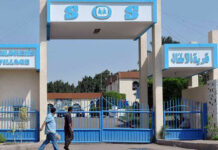
Authorities replaced the leadership of care homes that operated under the former system, including facilities such as SOS Children’s Villages and Lahn al-Hayat. Legal accountability for past actions remains under review through cases filed by families, with investigations handled by the Interior and Justice ministries.
The Ministry of Social Affairs and Labor, Zaidan said, focuses on administrative oversight and current management. She encouraged anyone with information about missing children to contact the committee through its 24-hour hotlines, emphasizing that public cooperation remains critical to ongoing efforts.