Syrian authorities say they have made measurable progress in integrating former fighters from the Syrian Democratic Forces (SDF) into state institutions, as part of an ongoing agreement aimed at unifying the country’s fragmented institutional structures.
Brig. Gen. Sipan Hamo, deputy minister of defense for the eastern region, announced four brigades from the SDF were incorporated into the Syrian army following a Jan. 29, 2026 agreement between Damascus and SDF forces. The deal outlined a phased political, security and military process to reintegrate northeastern Syria after years of autonomous administration.
In remarks to Hawar News Agency, Hamo said the integration process “has made remarkable progress,” noting the brigades are now deployed across Ain al-Arab (Kobani) as well as Hasakah, Qamishli and Derik.
The units form part of a newly structured military division under the Ministry of Defense, also including a brigade drawn from Ain al-Arab forces. Hamo said the initiative aims to “build a unified national army and end factionalism,” adding further integration efforts will continue based on the needs of the military establishment.
Restructuring the Military and Expanding Integration
The integration effort is part of the reorganization of Syria’s military command. The Defense Ministry divided the country into five regions, including the eastern region, which encompasses Raqqa, Deir Ezzor and Hasakah provinces.
Hamo said authorities are focusing on unifying command structures and standardizing internal systems ensuring discipline and clarifying responsibilities. He noted additional SDF formations could be absorbed into the army through new brigades or battalions as the process continues.
“The army is still in the process of being built,” Hamo said, emphasizing achieving full cohesion among units remains a work in progress. He also stressed the integration framework remains open to all armed factions in Syria, provided they meet established criteria. “No force will remain outside the framework of the army in the future,” he said.
Despite these advances, officials acknowledge ongoing challenges, particularly a lack of trust between former adversaries. Hamo said accelerating integration efforts could help address those concerns and foster a more unified national structure.
Judicial Integration and Administrative Challenges
Parallel efforts remain underway to integrate civilian institutions, including the judiciary, in northeastern Syria. Ahmad al-Hilali, spokesman for the presidential team overseeing the agreement’s implementation, told Syria TV officials held meetings with the Ministry of Justice and the attorney general to address legal integration in Hasakah province.
In a statement posted on Facebook, Hilali said discussions focused on solutions “taking into account the principles of state sovereignty, independence of the judiciary, and the process of integrating judges into the Hasakah judiciary in accordance with the law.”
Hilali added the government assumed control of detention facilities in the region and plans to release former SDF detainees after reviewing their cases through legal channels. He acknowledged disputes remain, including disagreements over control of judicial facilities in Qamishli, but said both sides remain committed to implementing the agreement.
Women’s Units Seek Recognition in New Structure
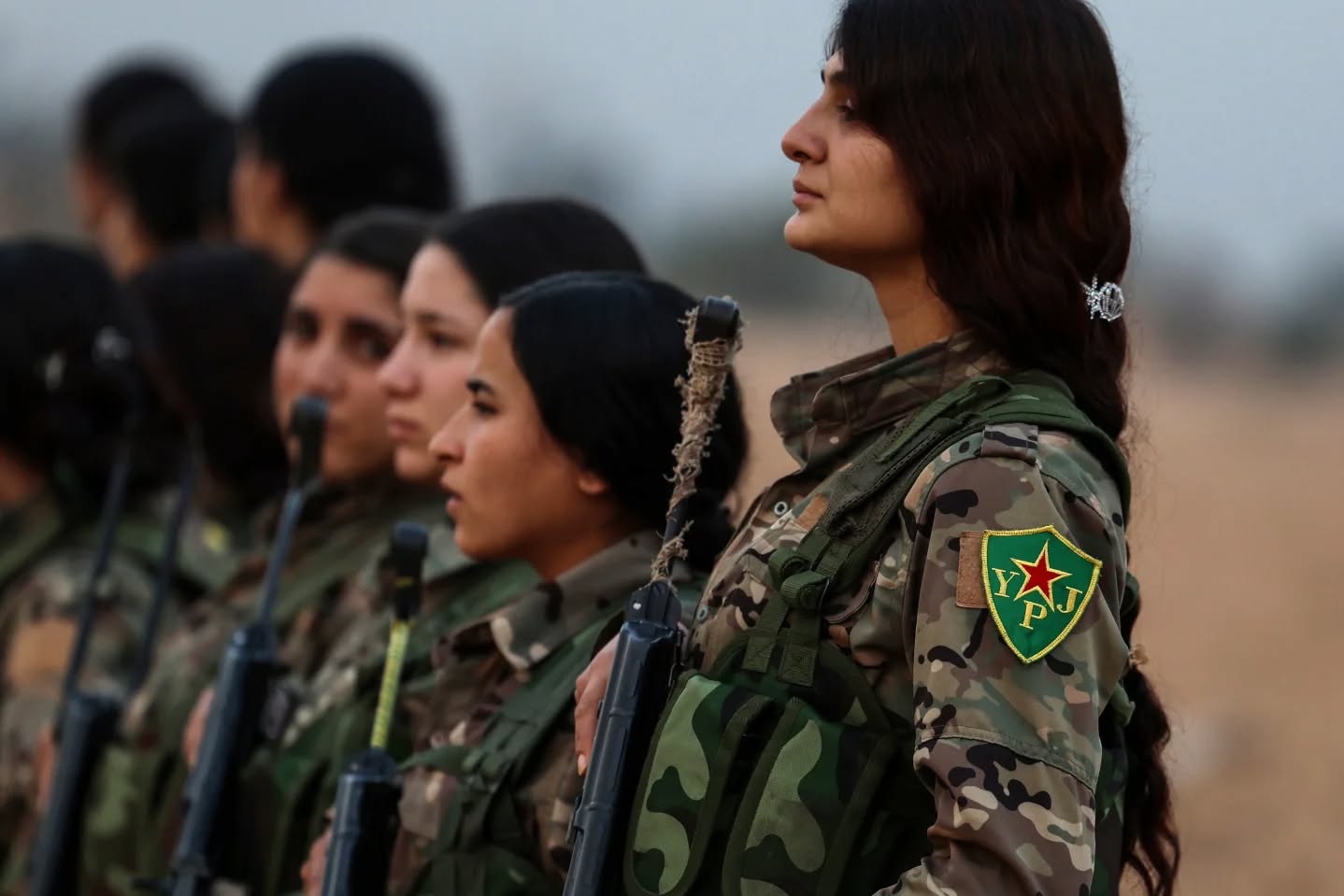
As integration progresses, some groups continue to push for formal recognition within the evolving military framework. The Women’s Protection Units, known as the YPJ, have called for inclusion in the Ministry of Defense and the future constitutional framework. Ruksen Muhammad, a spokesperson for the units, said their role in past conflicts and social developments warrants official acknowledgment.
“We are fighting for the acceptance of the Women’s Protection Units within the Syrian Ministry of Defense, and this is our legitimate right,” she said, according to JINNEWS. Muhammad added any vision for a “new Syria” must include “women’s rights and representation,” both within military institutions and in broader governance structures.
Her remarks follow recent meetings between YPJ representatives and Defense Minister Murhaf Abu Qasra, where both sides discussed possible mechanisms for integration. Officials indicated that dialogue remains ongoing, with the ministry showing flexibility toward arrangements allowing women to serve within the armed forces.
Ongoing Talks Signal Long-Term Transition
Officials describe the integration process as a gradual transition extending beyond military restructuring. Recent meetings in Damascus between Syrian leaders and SDF commander Mazloum Abdi have sought to accelerate implementation and resolve outstanding issues.
Hilali said the talks aim to shift the SDF file “from the path of international and regional interventions to a national path,” a move he said could strengthen internal consensus. While challenges remain, Syrian authorities maintain continued coordination and dialogue will shape the next phase of integration, as the country works toward consolidating its institutions following years of division.