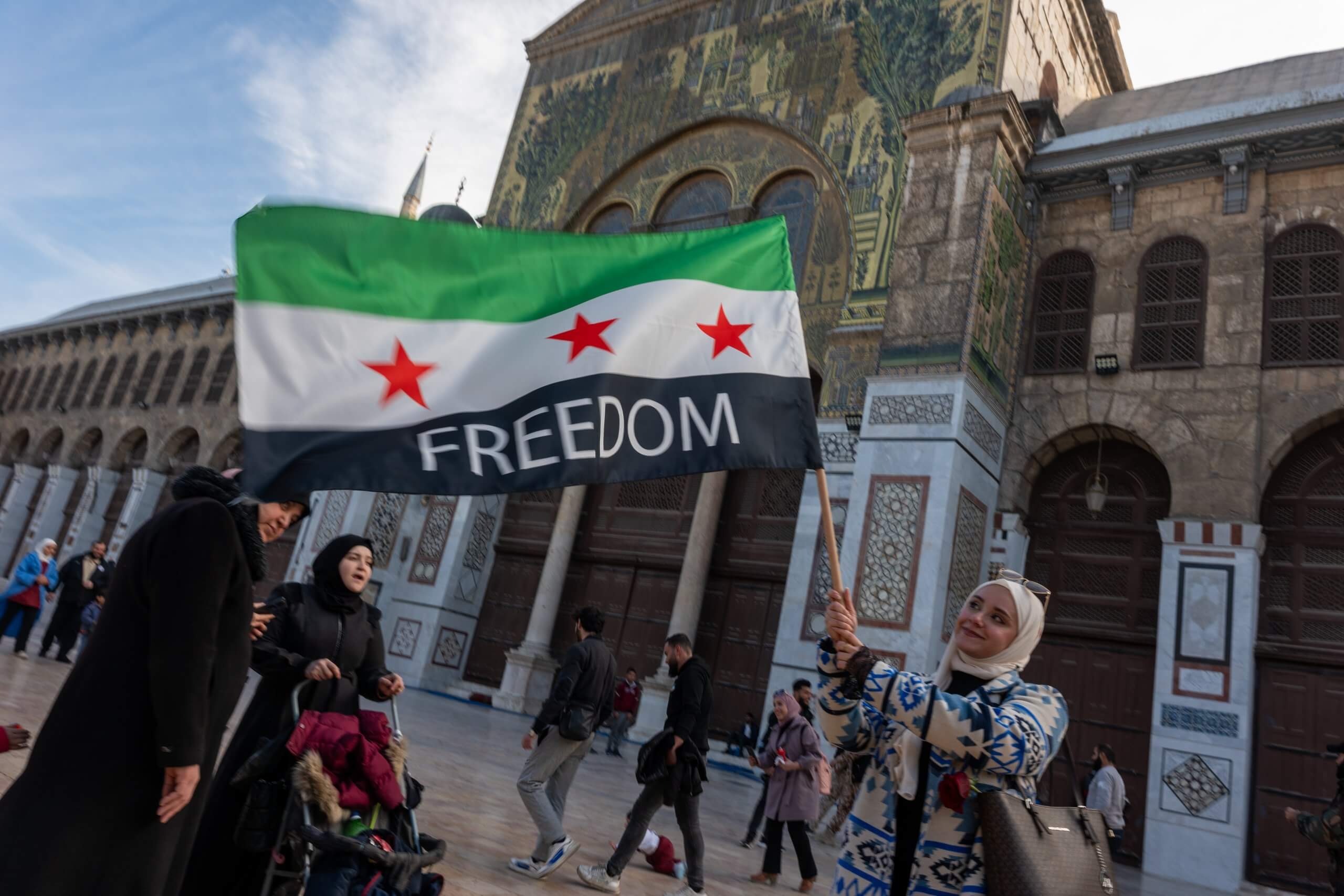
As the world marks World Press Freedom Day, Syria’s evolving media environment reflects both a break from decades of repression under the Assad regime and the challenges of a country still in transition. In a statement to Levant24, the Syrian Ministry of Information described the past as one defined by strict control, saying that for over 50 years “the Assad and the Baathist regime imposed severe restrictions on the press in Syria.”
During the revolution, journalists faced “assassination, targeting, persecution, arbitrary arrest, and killing under torture.” The statement said those conditions helped make Syria “one of the most dangerous places in the world for journalists,” forcing citizen reporters to step in as traditional media structures collapsed.
Many of those individuals, the ministry noted, were killed, injured or detained while documenting events. Officials now frame the current period as a turning point. “The current state of press freedom in Syria cannot be described as mere improvement; rather, it represents a fundamental transformation,” the ministry said.
Rising Access and Expanding Media Presence
Authorities point to increased openness as a sign of change. According to the Ministry of Information, Syria hosted over 3,100 foreign media delegations and more than 4,600 journalists from international outlets since the political transition.
The ministry said journalists are granted freedom of movement and coverage, including reporting which is critical of the government, provided they obtain necessary permits. It added licensing aims to organize the media environment rather than restrict it.
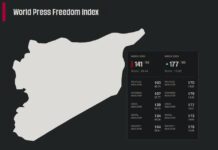
International indicators suggest some improvement. Syria climbed 36 places in the latest Press Freedom Index published by Reporters Without Borders (RSF), moving to 141st after years near bottom. US Sen. Jeanne Shaheen welcomed the shift, writing on X she was “happy to see the increase in the level of media freedom in the country,” calling it “a positive step on the road to reform.”
Persistent Structural and Professional Challenges
Despite these developments, gaps remain. Access to information continues to pose a major obstacle for journalists. While cooperation with the Ministry of Information has improved, it remains the sole authority for approving official statements, a process that can delay reporting.
According to local reports indicates obtaining information often involves lengthy procedures, and approval does not always guarantee full disclosure. This has limited the ability of journalists to report on certain public interest issues in a timely manner.
Social dynamics also complicate the environment. Increased freedom of expression has coincided with sharp polarization online, where journalists and commentators sometimes face harassment or coordinated attacks for their views. Such pressures, some say, can discourage open debate despite fewer formal restrictions.
While state media outlets have begun addressing previously sensitive topics, including criticism of government performance, some suggest decades of censorship have left many Syrian journalists apprehensive to cover stories with the same candor as foreign outlets.
Balancing Reform With a Transitional Reality
The government acknowledges the media landscape remains incomplete. The Ministry of Information notes Assad-era laws used to suppress freedom have been repealed, but a new legal framework has yet to be fully established pending the formation of a parliament.
Officials said they are working with the ministries of interior and justice to strengthen protections for journalists and formalize regulations. At the same time, they noted security conditions in certain areas can lead to temporary restrictions on access for safety reasons.
“Press freedom in Syria today is not merely a claim,” the ministry said, describing it as “an evolving reality, imperfect, but clearly moving in the right direction.” As World Press Freedom Day draws attention to global standards, Syria’s experience underscores the complexity of rebuilding media institutions after prolonged conflict.