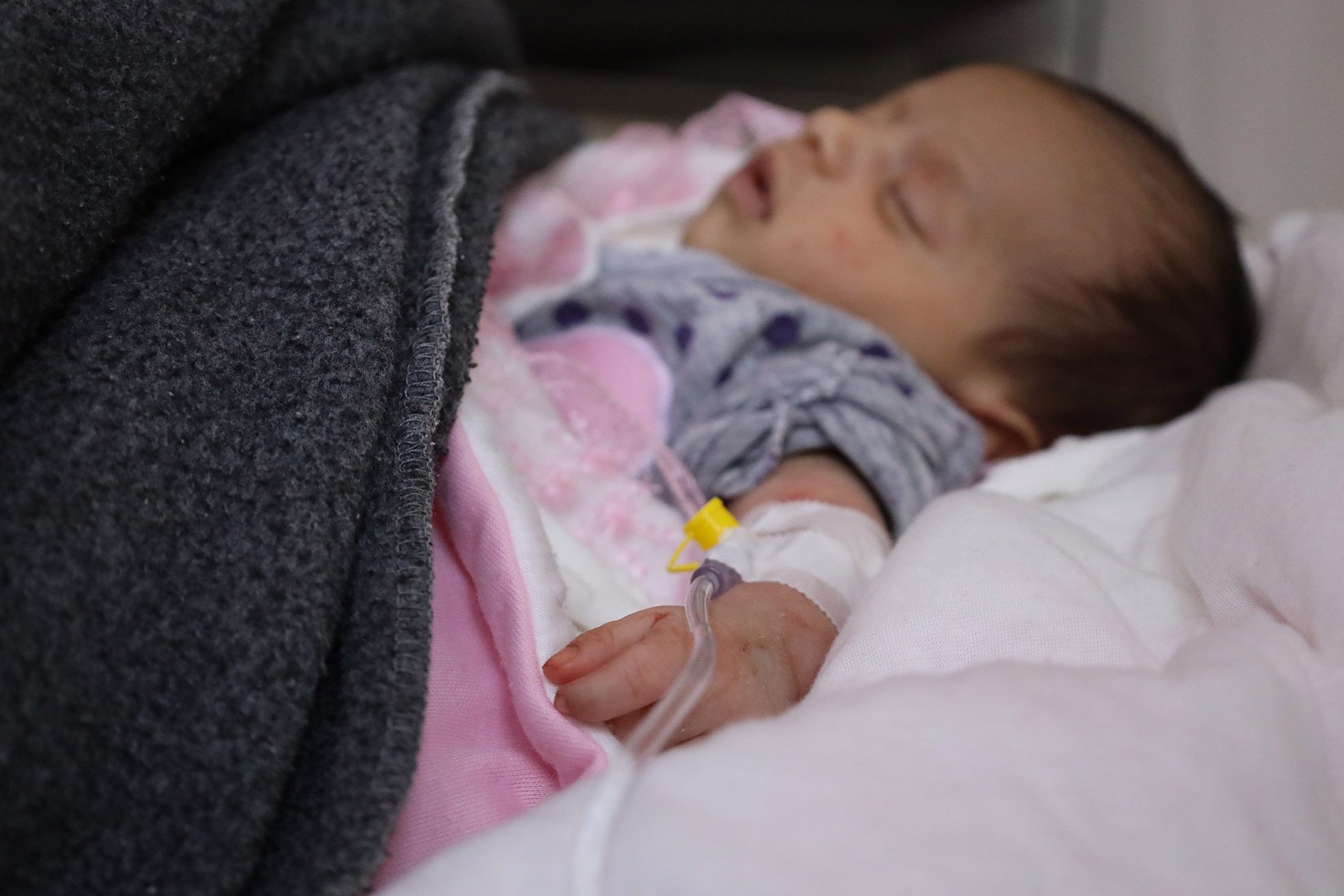
 Qatar Charity has concluded a charitable medical campaign at Al-Waleed Hospital in Homs, providing treatment for children suffering from congenital heart defects. The initiative, supported by Qatari benefactors, aimed to ease the burden on families struggling to afford specialized cardiac care amid the ongoing challenges facing Syria’s healthcare sector.
The campaign resulted in 16 advanced cardiac catheterization procedures performed without the need for open-heart surgery. Doctors said the use of interventional catheterization techniques reduced surgical risks and shortened recovery times, allowing children to return more quickly to their daily lives.
The procedures also reflected close coordination between visiting specialists and local medical teams. Medical staff worked throughout the campaign to provide treatment for children whose conditions required urgent intervention but whose families lacked the financial means to access such operations independently.
Coordination Amid Healthcare Challenges
Qatar Charity said the campaign took place in cooperation with the Syrian Ministry of Health and the Homs Health Directorate, with participation from specialized physicians and local healthcare workers. Organizers described the effort as an example of cooperation between humanitarian organizations and local authorities to deliver medical assistance despite logistical and economic difficulties.
Osama al-Khalf, the campaign director, said the initiative represents more than a series of successful medical procedures. “What we witnessed during this campaign was not merely successful medical interventions, but the writing of new life stories for children facing a real threat to their lives,” Khalf said.
“Each procedure was a moment of humanitarian triumph, reflected in the joy of the families and the return of hope to their hearts.” Khalf also praised the contribution of Qatari donors thanking the medical and administrative teams, along with local partners, for their efforts throughout the campaign.
Modern Techniques Reduce Risks
Dr. Mahmoud al-Soufi, a consultant in cardiology and interventional catheterization for adults and children, emphasized the significance of the campaign given Syria’s limited medical resources. He said catheterization procedures offer an effective alternative to major surgeries for many congenital heart conditions.
According to Soufi, the technique not only improves survival rates but also spares children the physical and psychological impact associated with chest incisions and long hospital stays. He added access to such procedures can significantly improve quality of life for both patients and their families.
The campaign also produced emotional moments for families spending months seeking treatment. Yassir Arab, the father of a child named Abdulhamid, said the intervention saved his son’s life after a prolonged period of fear and uncertainty.
The campaign forms part of Qatar Charity’s broader efforts supporting Syria’s healthcare sector and expanding access to medical care for vulnerable communities. The organization said its humanitarian approach focuses on both immediate relief and long-term impact.