 Syrian President Ahmad al-Sharaa presented a comprehensive Syrian vision for addressing Lebanon’s ongoing crisis, emphasizing any lasting solution must begin with an immediate ceasefire while also tackling the political, economic and social challenges facing the country.
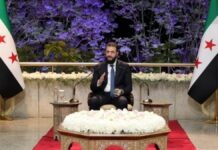
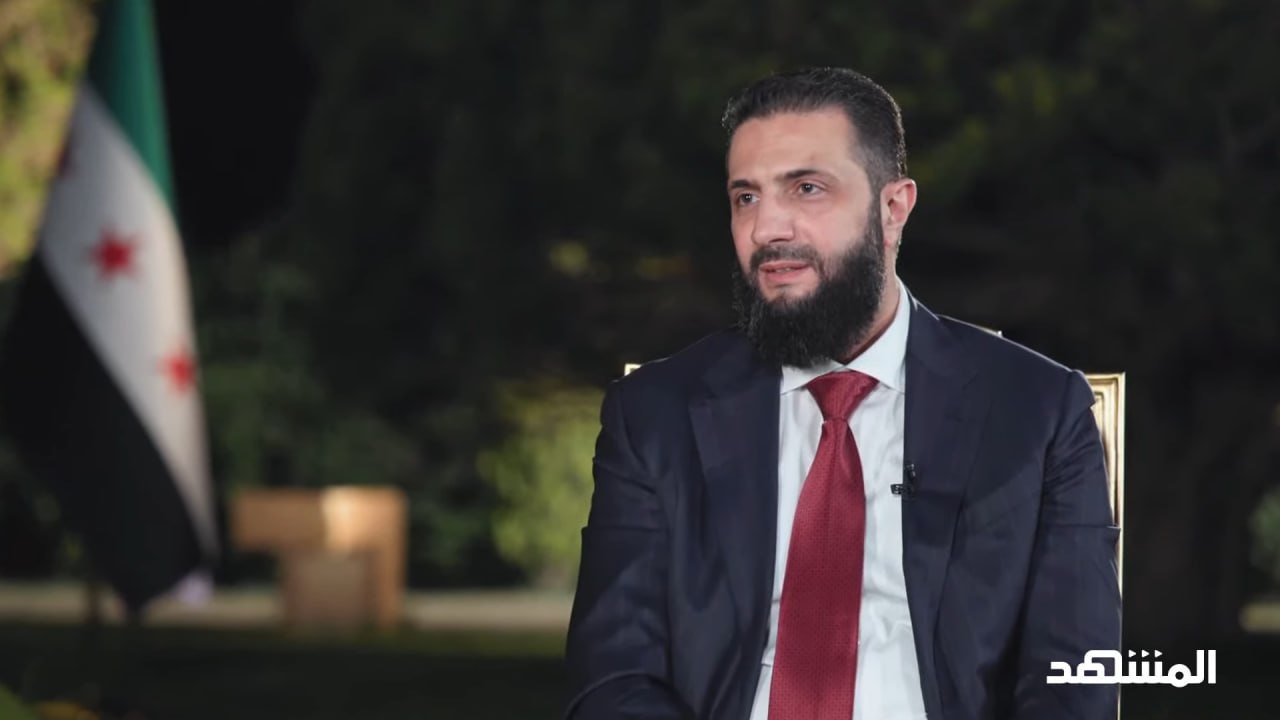
In an interview with Mashhad TV, Sharaa said Syria is working with regional and international partners in developing a framework to help Lebanon move beyond its current difficulties while strengthening state institutions and creating conditions for long-term stability.
According to Sharaa, Lebanon is experiencing one of the most difficult periods in its modern history due to the continuing war and its humanitarian, security and economic consequences. He noted Lebanese developments directly impact Syria due to the close geographic, political and economic ties between the two countries.
Diplomatic Consultations and International Cooperation
Sharaa said Damascus discussed its proposed approach with the US and several other influential countries. The framework focuses first on ending military operations and reducing the war’s impact on both Lebanon and Syria.
However, he stressed ending the fighting alone would not resolve the crisis. Instead, Syria’s proposal calls for a broader package of measures including political reforms, economic recovery and social initiatives designed to address the underlying causes of instability.
The Syrian president described Lebanon’s current situation as one marked by widespread destruction, internal displacement and growing security concerns. At the same time, he argued international engagement with Lebanon has increasingly centered on security issues rather than economic development and reconstruction.
Rejecting Military Solutions
A central element of Sharaa’s remarks was his rejection of approaches that rely primarily on military measures. He stressed partial solutions would fail to address the deeper issues affecting Lebanon and the wider region.
Sharaa said a successful settlement must combine an end to hostilities with efforts to revive economic relations between Syria and Lebanon while creating political and social mechanisms capable of sustaining stability. Any agreement, he added, should take into account the security concerns of all parties while providing guarantees helping prevent future conflict.
Addressing recent comments attributed to US President Donald Trump, Sharaa said some media reports misinterpreted the nature of discussions regarding Lebanon. He stated conversations focused on ending the war and supporting Lebanese state institutions rather than any form of Syrian military intervention.
While acknowledging Syria possesses tools which could contribute to stability, he emphasized any constructive role would depend on agreement among Lebanese parties themselves. He added the security of Lebanon and Syria remains closely interconnected, making stability in one country beneficial to the other.
Economic Integration and Regional Opportunities
Sharaa also highlighted Syria’s domestic priorities, describing a national strategy centered on reconstruction, economic development and institutional reform. He said the country is working to rebuild infrastructure and strengthen key sectors including education, health care, energy, banking, agriculture and industry.
According to the president, current economic indicators suggest progress, with Syria increasingly focused on development rather than conflict. Within that framework, Sharaa characterized Lebanon as a natural economic partner. Relations between the two countries should be built on shared interests and economic cooperation rather than political disputes.
He pointed to opportunities in trade, transportation, energy and services, noting the longstanding economic connections between Syrian and Lebanese cities. Historically, Beirut served as an important maritime gateway for Damascus, while Tripoli maintained strong commercial ties with Homs.
Sharaa also emphasized Syria’s geographic position as a regional transit corridor linking East and West. He said ongoing economic projects involving Jordan, Turkey, Saudi Arabia, the UAE and Qatar could enhance regional connectivity and create opportunities for Lebanon through expanded cooperation.
Dialogue as a Path Forward
The Syrian president argued economic cooperation offers a more sustainable path towards stability than military confrontation. He said decades of regional conflict demonstrated the limits of armed solutions, while economic integration can generate incentives for cooperation and development.
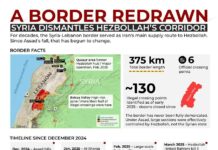
Regarding border demarcation issues, Sharaa said immediate efforts should focus on ending violence and reducing tensions before moving to technical matters requiring broader political consensus. He also stressed the importance of maintaining channels of dialogue among Lebanese political actors.
Asked about the possibility of dialogue with Hezbollah, Sharaa said communication remains the most effective means of addressing contentious issues, even when significant disagreements exist. At the same time, he acknowledged Hezbollah’s intervention in the Syrian conflict was a mistake leaving lasting wounds in Syrian society.
Nevertheless, he argued that addressing the legacy of past conflicts should not lead to new confrontations but encourage efforts to prevent future crises. Concluding his remarks, Sharaa called for a forward-looking approach prioritizing stability, reconstruction and national consensus. He said Syria’s objective is supporting peace and development in Lebanon while pursuing policies serving the interests of both peoples. “Syria intends only goodness for our people in Lebanon,” Sharaa said, adding future Syrian engagement would remain focused on stability and cooperation.