Syrian President Ahmad al-Sharaa and Lebanese President Joseph Aoun moved to dismiss growing speculation about potential Syrian involvement in Lebanon, emphasizing coordination between Damascus and Beirut amid ongoing regional tensions.
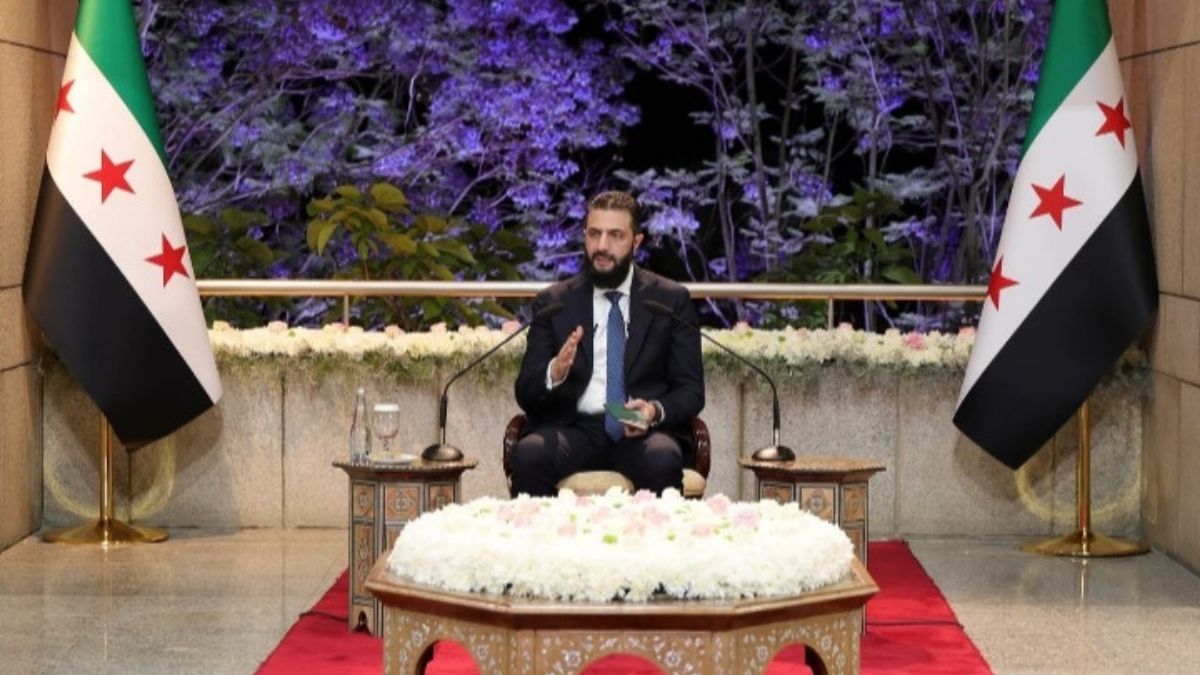
Speaking during a meeting with a delegation of dignitaries and notables from the Damascus countryside, June 11, Sharaa rejected reports suggesting Syria intended to intervene militarily in Lebanon.
“What is being circulated regarding Syria’s entry into Lebanon is nothing more than rumors,” Sharaa said, according to statements from SANA and cited by attendees who spoke to Agence France-Presse (AFP).
The remarks came after media reports claimed Syrian military units had repositioned near the Lebanese border and amid reports that Washington had encouraged Damascus to play a role against Hezbollah following the continued hostilities between Israel and Hezbollah since March.
Beirut Expresses Confidence in Damascus
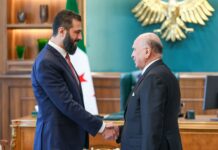
In Beirut, President Joseph Aoun voiced confidence in Syria’s leadership, rejecting suggestions that Damascus would become entangled in Lebanon’s internal disputes. “I trust Ahmad Sharaa,” Aoun said, stressing the Syrian president possesses a high degree of political awareness and responsibility.
According to the Lebanese president, that understanding would prevent Syria from being drawn into what he described as “Lebanon’s complex political and security challenges.” Aoun’s comments followed reports of US pressure on Syria to take a more active position regarding Hezbollah. US President Donald Trump suggested Washington could recommend Syria “play a role” countering Hezbollah.
Syrian Interior Ministry spokesman Nouruddin al-Baba responded by affirming Damascus’ support for Aoun’s efforts to preserve Lebanon’s security and sovereignty. Baba said Syria and Lebanon were best positioned to determine policies that were of mutual benefit.
Border Talks Put on Hold
Beyond rejecting intervention claims, Sharaa outlined a broader vision for Syrian-Lebanese relations, revealing that both sides had agreed to postpone detailed discussions on border demarcation. He described the issue as a longstanding and complex dispute dating back to Lebanon’s independence in 1946. Instead of pursuing contentious border negotiations, Sharaa said both countries should focus on strengthening economic ties, supporting development and addressing shared challenges.
According to Sharaa, unresolved questions surrounding areas such as the Shebaa Farms, overlapping villages and unclear border markers make immediate negotiations difficult. “The Syrian-Lebanese relationship was built in previous stages on unsound foundations,” Sharaa said. He acknowledged what he described as Lebanese grievances stemming from the Assad and Baathist regimes in Lebanon, while also pointing to Syrian grievances related to Hezbollah’s intervention in Syria.
Shared Focus on Stability
Sharaa also noted the burden created by the presence of over 1.4 million displaced Syrians in Lebanon, describing the issue as one of several urgent challenges requiring attention before broader political disputes can be resolved.
Throughout their recent statements, both Syrian and Lebanese officials emphasized stability, state institutions and bilateral cooperation rather than military involvement. Their remarks appear aimed at easing concerns fueled by regional tensions and speculation surrounding the conflict involving Israel and Hezbollah.
While questions about future Syrian-Lebanese relations, border demarcation and regional security remain unresolved, leaders in both Damascus and Beirut have publicly signaled they prefer dialogue, economic cooperation and internal stability over any form of direct Syrian intervention in Lebanese affairs.