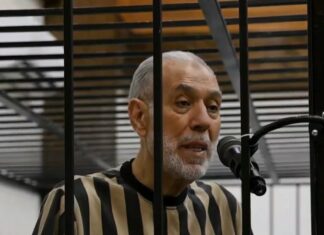
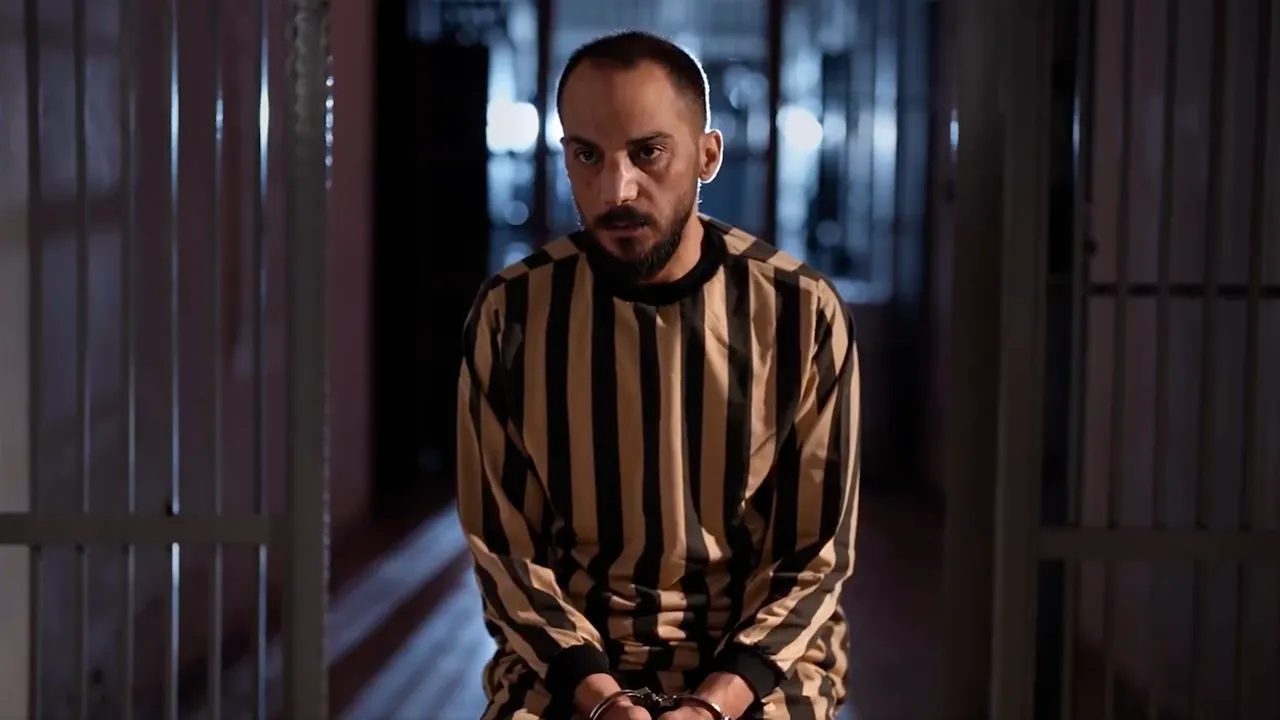
The April 24 arrest of Amjad Yusuf placed renewed focus on one of the most widely documented atrocities of the Syrian conflict, while raising questions about how the country will pursue justice after years of war. On April 25, Syria’s Interior Ministry released a video titled The Butcher of Tadamon, showing Yusuf confessing to his role in the 2013 Tadamon massacre in Damascus.
In the footage, Yusuf admitted to participating in the killing of around 40 detainees, who he said were accused at the time of “supporting armed groups.” He described how victims were brought to a pit, shot either before or after being pushed inside, and later burned with tires to conceal evidence. Yusuf said he carried out the killings alongside a militia member, Najib al-Halabi, while a third individual filmed the executions.
Yusuf claimed he did not personally select the victims and insisted their identification was based on security reports. He also claimed he did not receive direct orders, framing the killings as a personal decision. However, previous investigations, including reporting by The Guardian, have suggested the massacre was part of a broader chain of command within Syria’s Military Intelligence Division, raising doubts about Yusuf’s assertion he acted independently.
Details of the Arrest Operation
Syrian authorities said Yusuf was detained in a planned operation in the Hama countryside after several days of surveillance and preparation. Brig. Gen. Mulham al-Shantout, head of internal security in Hama, said forces surrounded Yusuf’s residence and arrested him without resistance.
Officials confirmed that Yusuf was transferred to relevant judicial authorities to begin formal investigations into crimes linked to the Tadamon killings and other alleged incidents. In the days following his arrest, security forces also detained several of Yusuf’s relatives, including his father and wife, on suspicion of helping conceal his whereabouts.
A Test Case for Transitional Justice
Yusuf’s arrest comes at a critical moment for Syria’s emerging transitional justice system, which aims to address crimes committed during the conflict following the fall of the Assad government. Dr. Zahra al-Barazi, Transitional Justice advisory to the Foreign Ministry, said Yusuf’s case will move through a specialized judicial process beginning with an investigative judge and potentially leading to trial in a dedicated court.
“This process takes time,” Barazi said in an interview with Levant24, noting that Yusuf is accused of multiple violations beyond the Tadamon massacre. “There’s a lot of documentation and investigation to go through.”
She acknowledged the system remains under development and communication with the public has been limited so far. “Transitional justice is still a mechanism that’s being built in the country,” she said, adding that authorities aim to involve victims and families more directly moving forward.
The case has also highlighted gaps in Syria’s legal framework. Some experts have warned the absence of a fully enacted transitional justice law could complicate efforts to prosecute crimes such as war crimes or crimes against humanity under existing statutes.
Victims’ Families Seek Answers and Accountability
For families of the victims, the arrest represents both a breakthrough and the beginning of a longer process. Hazar Saqbani, spokesperson for the National Commission for Missing Persons (NCMP), described the arrest to SANA as “a very important step” toward uncovering the fate of victims and advancing accountability.
She emphasized identifying victims and verifying evidence requires careful forensic work and documentation. “Any mistake directly affects the families,” she said, underscoring the need for accuracy and restraint in handling sensitive information.
Meanwhile, Syrian researcher Ansar Shahoud, who helped uncover Yusuf’s identity through years of investigative work, told Reuters the arrest brought a sense of relief but cautioned that justice remains incomplete. “The path to justice in Syria remains unclear and does not include all perpetrators,” she said.
Broader Questions About Accountability
Yusuf’s case has intensified debate over whether Syria can pursue accountability beyond lower-level perpetrators. Analysts and officials alike have pointed to the likelihood that many individuals higher up in the chain of command remain outside the country. Barazi stressed the need for international cooperation to address this gap. “Amjad Yusuf didn’t commit this crime on his own,” she said. “There was a chain of command.”
As Syria moves forward, the handling of Yusuf’s case may serve as a key indicator of whether its transitional justice system can deliver credible accountability, balance legal rigor with public expectations, and address the broader legacy of wartime abuses.