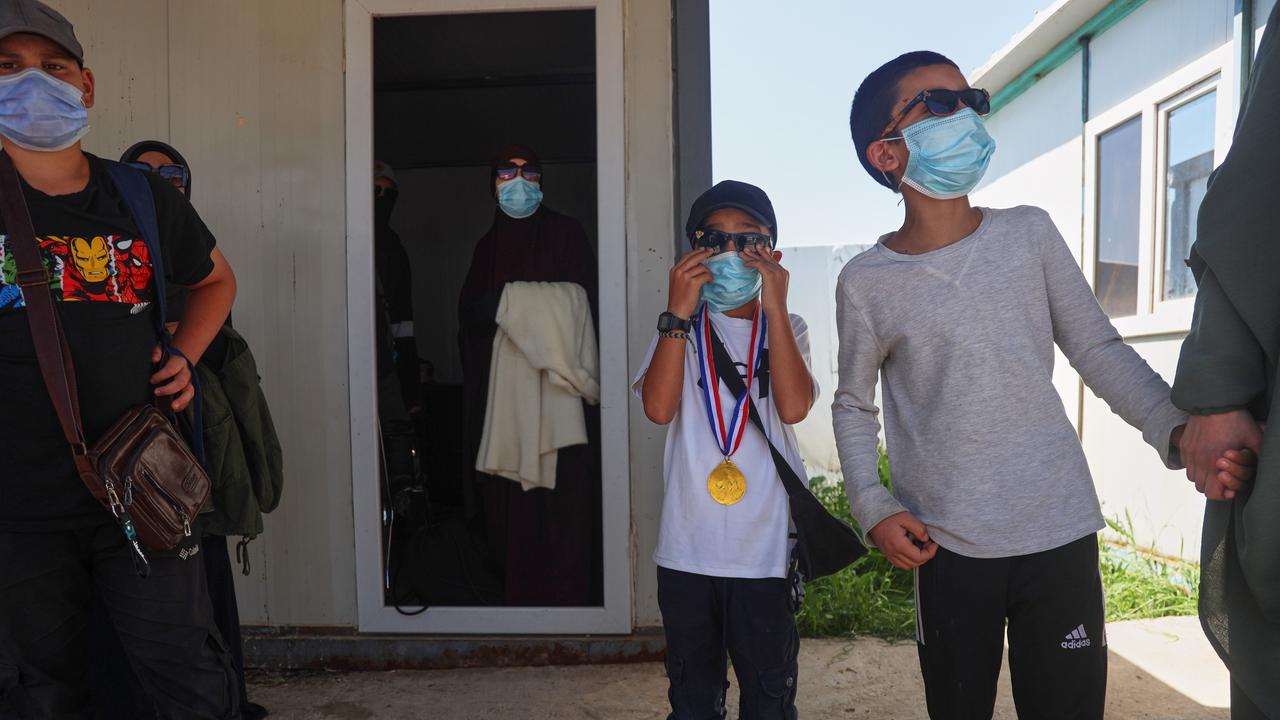
A group of Australian women and children linked to former ISIS fighters left a detention camp in northeastern Syria, renewing debate over Australia’s stance on repatriation. According to the Australian Broadcasting Corporation (ABC), four women and nine children departed the Roj camp in Hasakah province over the weekend after spending nearly seven years in detention following the collapse of ISIS in 2019.
Camp officials said local authorities assisted their transfer toward Damascus, where arrangements are being made for their return to Australia. Hakimiya Ibrahim, the camp’s director, said the families were handed over to relatives to facilitate their travel. A source cited by The Sydney Morning Herald indicated the process is being “handled privately,” without direct government support.
Government: No Official Role in Returns
Australian officials have reiterated that Canberra is not participating in the repatriation effort. In a statement to Agence France-Presse, a government spokesperson said Australia “is not and will not repatriate people from Syria,” emphasizing that national security remains the top priority.
Defense Minister Richard Marles also confirmed the government’s position, noting that security agencies continue to monitor developments. He added that authorities would assess any returning individuals under Australian law, though he declined to comment on specific cases.
The spokesperson further warned that “people belonging to this category should realize that they will face the full force of the law in Australia if they commit crimes,” underscoring a focus on legal accountability.
Previous Attempt Highlights Coordination Challenges
This latest movement follows a failed attempt in February involving 34 Australians, mostly women and children, who briefly left the Roj camp but were forced to return. According to ABC, Syrian authorities blocked their convoy from reaching Damascus due to coordination issues, despite reports that Australian passports had already been issued.
Camp officials attributed the setback to poor communication between family representatives and authorities in Damascus. The current effort appears more coordinated, though uncertainties remain about whether the group will successfully depart Syria.
Political Debate Intensifies in Australia
The situation has sparked renewed political tension in Australia. Opposition figures criticized what they describe as indirect facilitation by the government, including administrative steps such as issuing travel documents. They argue that individuals with suspected ties to ISIS should not be allowed to return.
At the same time, humanitarian organizations continue to push for a different approach, particularly regarding children. Groups such as Save the Children Australia have previously highlighted the harsh living conditions in camps like Roj, where access to health care, education and psychological support remains limited.
The broader issue remains unresolved. Since ISIS’s losses in Syria, many foreign nationals were detained in SDF-run detention centers in northeastern Syria, as governments weigh security concerns against humanitarian obligations. For Australia, the departure of this group signals progress for some families, but it also underscores the complexity of a policy debate that shows no sign of ending.