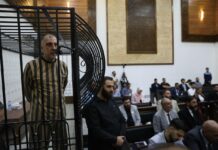
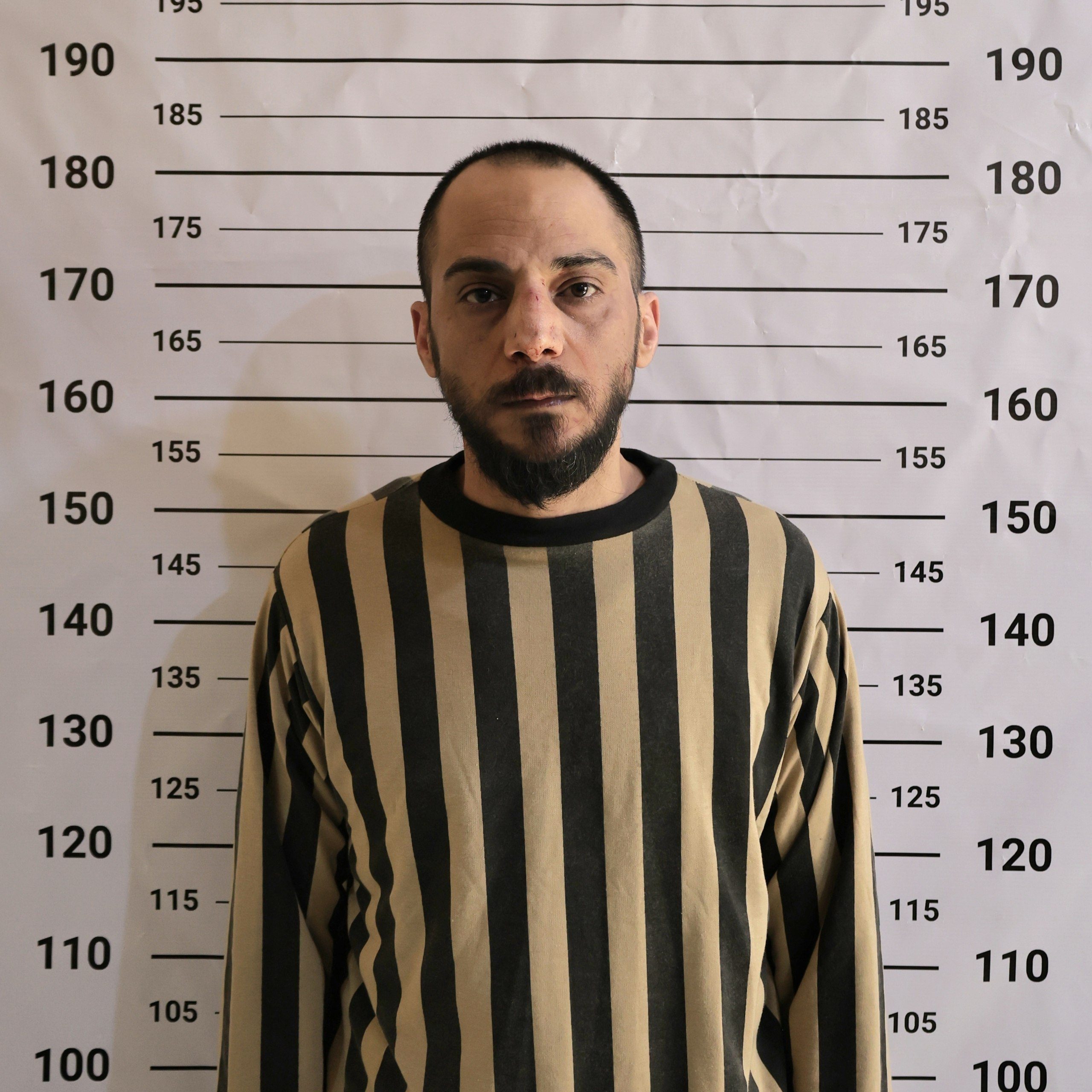
Syrian authorities announced Friday, April 24, the arrest of Amjad Yusuf, the primary suspect in the 2013 Tadamon massacre, following a coordinated security operation in central Syria. The Interior Ministry said Internal Security Forces carried out the arrest in the Ghab Plain in Hama province after weeks of surveillance and intelligence tracking.
Officials described the operation as highly organized, involving multiple security units and a three-layer perimeter designed to prevent escape. Interior Ministry spokesman Nouruddin al-Baba said authorities had attempted to capture Yusuf at least twice before, including efforts in 2025 that failed. The final raid, conducted under direct ministerial supervision, led to his arrest, with no civilian casualties, despite reported resistance.
The ministry said Yusuf had remained in hiding for years, moving between regions including Qardaha and the Hama countryside. Authorities also detained his wife and conducted searches in his home village, seeking documents that could support the broader investigation.
Massacre Footage Shocked Global Opinion
The Tadamon massacre dates to April 16, 2013, when members of a military intelligence unit carried out mass executions of civilians in southern Damascus. Video evidence later revealed victims blindfolded, led to a pit, shot and buried in a mass grave.
Investigations by international outlets, including The Guardian and New Lines Magazine, identified Yusuf as a central figure. The footage showed at least 41 victims, though estimates suggest up to 288 people may have been killed in the area.
The recordings, which surfaced publicly in 2022, prompted widespread condemnation and renewed calls for accountability. The scale and documentation of the killings made Tadamon one of the most closely examined atrocities of the Syrian conflict.
Reactions Highlight Accountability Push
Syrian officials and international figures described the arrest as a turning point. Justice Minister Mazhar al-Wais said the move reflects “steady progress in the path of accountability and preventing impunity.”
Syria’s ambassador to the United Nations, Ibrahim Olabi, called the arrest a “major step” and pledged continued efforts to prosecute all those responsible. “The perpetrators will not escape justice,” he said.
US Special Envoy to Syria Thomas Barrack also welcomed the development, calling it “an important indicator of the beginning of a new path to justice” rooted in the rule of law and national reconciliation.
Debate Emerges Over Trial and Sentencing
The arrest has intensified debate over how Syria should handle high-profile war crimes cases. While some Syrians have called for the death penalty, human rights advocates warn that such measures could complicate investigations and limit international cooperation.
Transitional justice experts argue that preserving Yusuf for trial could help uncover command structures and identify additional perpetrators. They note that some countries may refuse extradition of suspects if capital punishment remains on the table.
Authorities have not disclosed details of the ongoing investigation, citing its sensitivity. Officials say Yusuf will be referred to the judiciary, though legal experts suggest proceedings may be delayed until a transitional justice law is finalized.