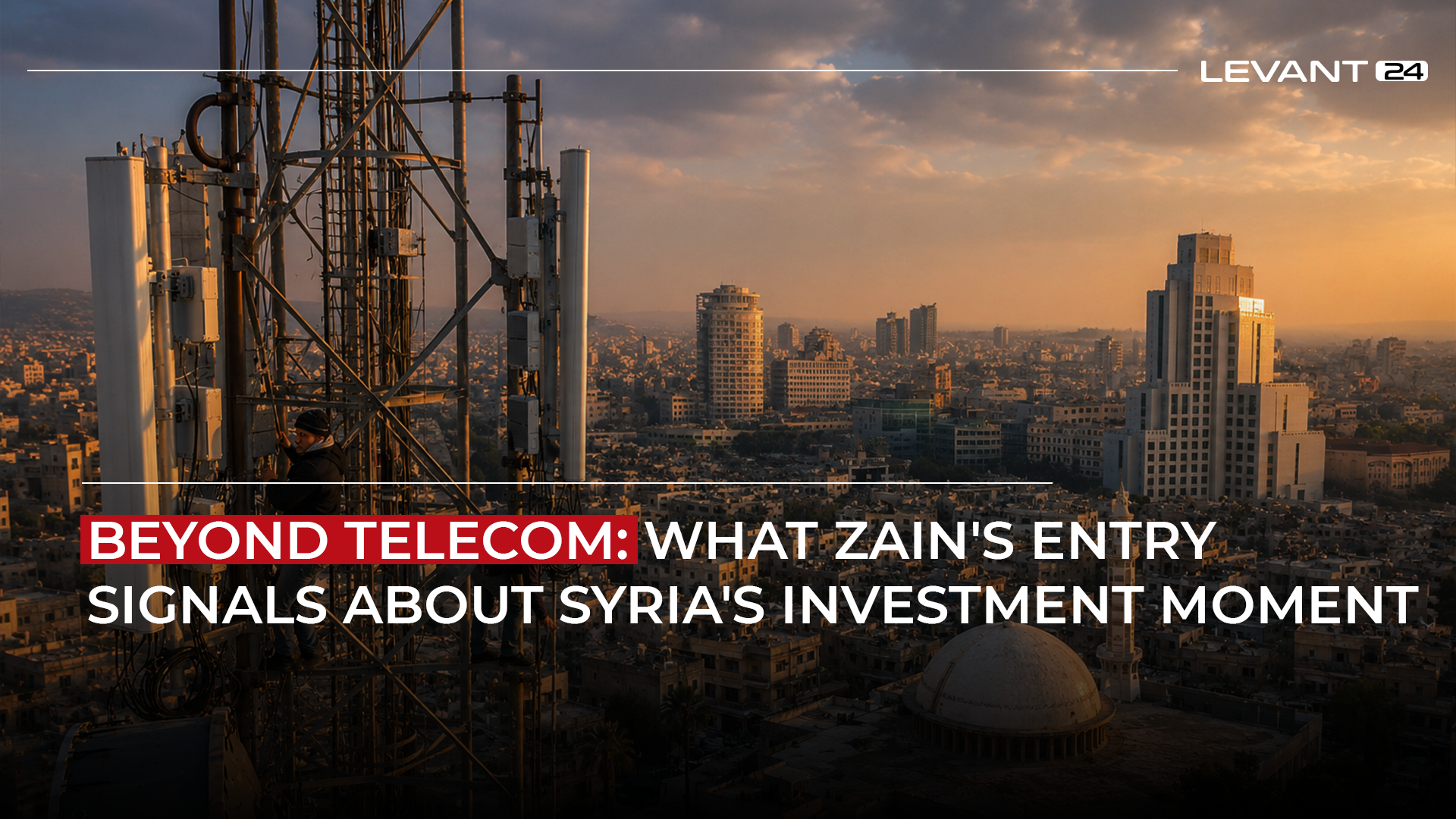
When Kuwait’s Zain Group signed a 20-year license to build and operate a national mobile network in Syria, it did more than introduce a second serious player to a market long dominated by a single state-linked operator. For the Syrian officials who negotiated it, the deal is a test case, evidence that a major international company is willing to place a long-term bet on a country still emerging from over a decade of war, isolation and sanctions.
“When a global telecom operator commits this level of capital to a strategic sector, it reflects confidence in the market, in the reform direction, and in the long-term potential of the Syrian economy,” Wasim Sabri, telecom sector director at the Syrian Sovereign Fund (SSF), told Levant24.
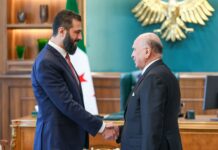
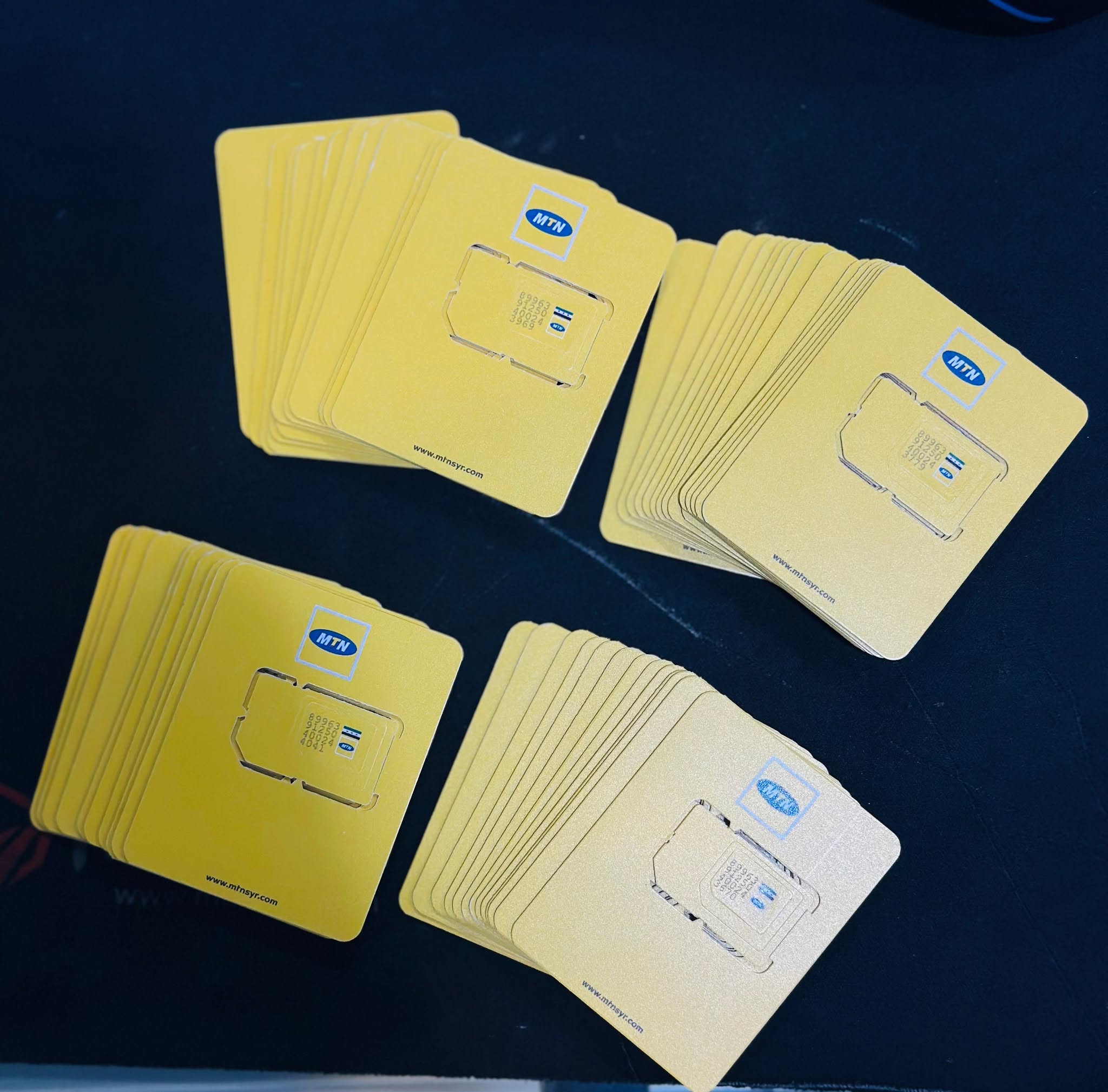
The commitment is substantial: over $1.5 billion in investment, a 75% stake for Zain and 25% for SSF, and the takeover of the infrastructure left behind by MTN Syria, which wound down operations in 2021, formalizing its exit this year. President Ahmad al-Sharaa received Zain’s chief executive, Badr al-Kharafi, at the People’s Palace in Damascus, a level of attention demonstrating how the government views the agreement, not as a routine licensing round, but as a signal to the wider market.
More Than a Telecom Deal
That signal lands at a particular moment. Since Syrian sanctions were lifted in 2025, Gulf capital has moved into the country at a pace few would have predicted a year earlier. Reviews of the agreements signed with Damascus put the announced total at roughly $28 billion in memoranda of understanding since mid-2025, spanning energy, ports, aviation, real estate and telecommunications.
The UAE’s DP World took a 30-year concession to redevelop Tartus port, a Qatari-led consortium committed some $7 billion to power generation and Saudi firms pledged billions across aviation, energy and digital infrastructure. However, most of those remain memoranda, rather than disbursed capital, a distinction worth keeping in view.
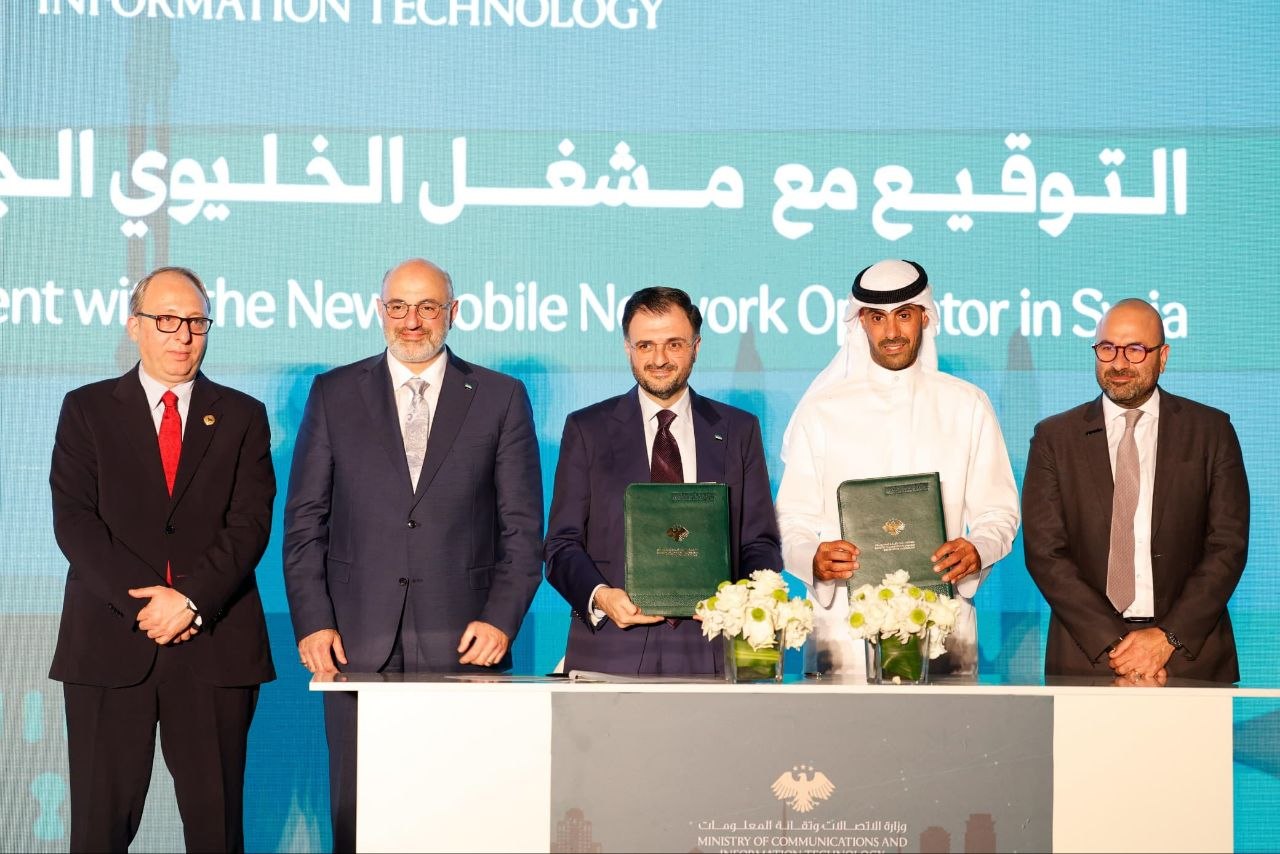
What sets the Zain agreement apart is that it is neither a pledge nor a study. Rather, it is a signed license backed by a named investment figure and an operator already active across the region. In a landscape still heavy on announcements, a concrete telecom entry carries a different kind of weight. It also marks a clean break from how Syria’s telecom sector operated in the past.
MTN entered the country in 2002 under a license tied to Rami Makhlouf, a cousin of Bashar al-Assad whose commercial empire ran through much of the economy. After Makhlouf and Assad fell out in 2019, control of the operator passed to entities linked to the presidential palace.
More recently, a third mobile license granted in 2022 to a company presented as a local venture was later reported to have ownership links to Iran’s Revolutionary Guard, functioning as a vehicle for political leverage rather than genuine commercial investment.
Against that backdrop, the entry of an established Gulf operator through a competitive process is a departure from the wartime pattern of licenses awarded to regime-connected or foreign-aligned networks.
Why Zain?
Sabri said the selection reflected what the fund and the Ministry of Telecommunications were looking for in a partner: strong technical capability, regional experience, financial strength and a proven record of building modern telecom infrastructure. “Zain was selected because it combines all these elements, operational experience, brand credibility, investment capacity, and it was the strongest bid in both technical and financial terms,” he said.
The SSF frames the opening primarily as a move against monopoly. For years, Syria’s mobile market was dominated by the state-linked incumbent Syriatel, with little competitive pressure on price or quality. A second well-capitalized operator, Sabri argued, changes that dynamic.
For ordinary users, he said, the practical result should be “better coverage, stronger network quality, improved customer service, and more competitive offers.” The result, he argued, would be everyday improvements that had long been out of reach because of a decade of underinvestment and conflict.
Whether those gains materialize depends on execution in a sector still rebuilding its regulatory footing. Syria’s telecommunications infrastructure was degraded by years of war and neglect, and the pace at which Zain can upgrade networks and expand coverage will test both the company’s investment plans and Syria’s ability to provide a stable regulatory environment. The deal sets the terms, delivery is the harder part.
What Comes Next?
The larger question the agreement raises is whether it stands alone or opens a door. Gulf investors have shown clear appetite for Syria’s reconstruction, but analysts note much of the announced capital remains concentrated in a handful of large players and sectors.
The transitional government has yet to build out the regulatory and dispute-resolution frameworks which would reassure more cautious foreign firms. The World Bank estimates Syria’s reconstruction needs exceed $216 billion, a figure that dwarfs commitments made so far and cannot be met by any single wave of Gulf investment.
For the government, the hope is that a visible, credible deal like Zain’s helps shift Syria’s image from a place of risk to a place of opportunity, encouraging other international companies to follow. Sabri cast the entry as an invitation rather than an endpoint.
“Syria is open for serious, long-term partners,” he said. “The market needs investment, technology, expertise, and innovation.” The coming months will show whether that message is heard and more importantly, whether the first major telecoms entry of the post-Assad era translates into the kind of everyday improvement that ordinary Syrians can actually feel.