 Syria’s energy sector is undergoing its most significant transformation in over a decade after the government assumed full control of oil and gas fields in the northeast, ending years of Syrian Democratic Forces (SDF) administration over much of the country’s primary energy resources. The development, coupled with new international partnerships, is reshaping the structure and outlook of Syria’s oil and gas industry.
Reclaiming Fields and Restarting Output
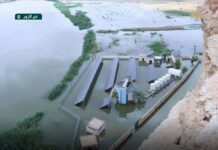
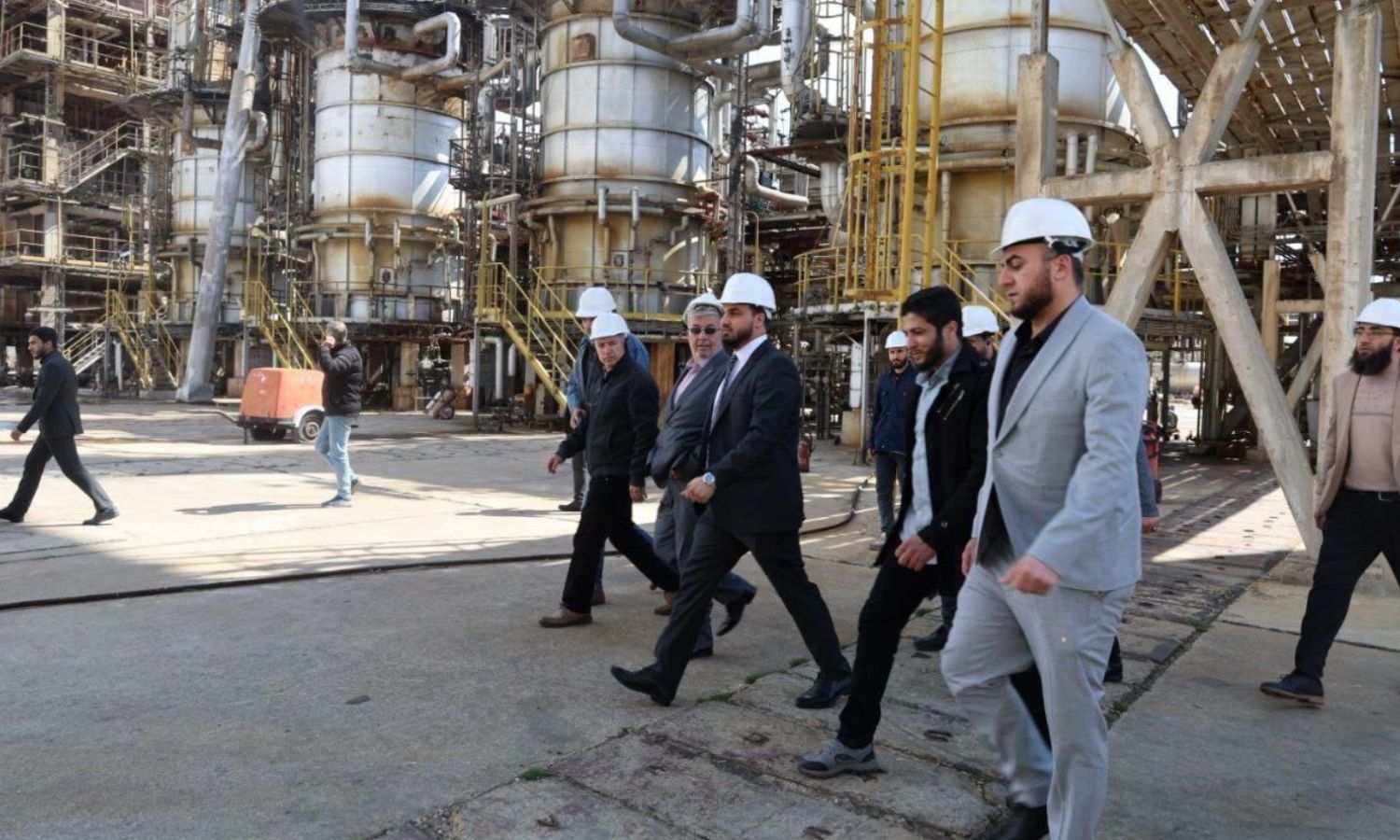
Following the entry of government forces into the Jazeera (Raqqa, Deir Ezzor and northern Hasakah), technical and maintenance teams moved to secure and rehabilitate the country’s largest fields, including Rmeilan oil fields, Suwaydiyah oil field, Al-Omar oil field and the Conoco gas field.
Before 2011, these fields collectively produced an estimated 250,000 barrels of crude oil per day and approximately 14 million cubic meters of natural gas. Production later declined sharply due to conflict, infrastructure damage and looting.
In the weeks following the handover, Syrian technical teams, working with local and international partners, reportedly restored operations at about 65% of previously inactive wells. Current output has reached between 95,000 and 110,000 barrels of oil per day, in addition to roughly 8 million cubic meters of gas, with production gradually increasing as new drilling equipment arrives.
From Import Reliance to Self-Sufficiency
According to estimates from the Ministry of Oil and Mineral Resources, Syria had been importing between 80,000 and 100,000 barrels per day of crude and refined products prior to the recovery of the eastern fields, at a monthly cost of nearly $250 million, or about $3 billion annually. A significant portion of those imports were financed through credit lines extended by Iran.
Officials now say the import bill has dropped by over 70% since production resumed. Authorities estimate the country could achieve self-sufficiency in essential refined products, including gasoline, diesel and fuel oil, by the third quarter of this year, with the potential to become a net energy exporter by 2027. This shift reduces the fiscal burden of energy imports while allowing revenues to be redirected toward rehabilitating infrastructure and expanding production capacity.
New International Partnerships
The transition is also marked by efforts to diversify energy partnerships. A memorandum of understanding was signed with Chevron and Power International Holding to begin exploration in Syria’s first offshore energy block.
Advanced negotiations are also underway with TotalEnergies, Eni and ConocoPhillips to develop existing fields and explore for additional reserves. Officials say these agreements signal a shift away from reliance on a single external partner and are expected to introduce modern technology, improve efficiency and attract direct investment.
A Critical Phase Ahead
With control restored over key natural resources and new partnerships under discussion, Syria faces what officials describe as a pivotal opportunity to rebuild its energy sector on a more sustainable and diversified foundation. The long-term success of this transition, however, will depend on balancing revenue generation with reinvestment in infrastructure, while ensuring affordable energy supplies for citizens.