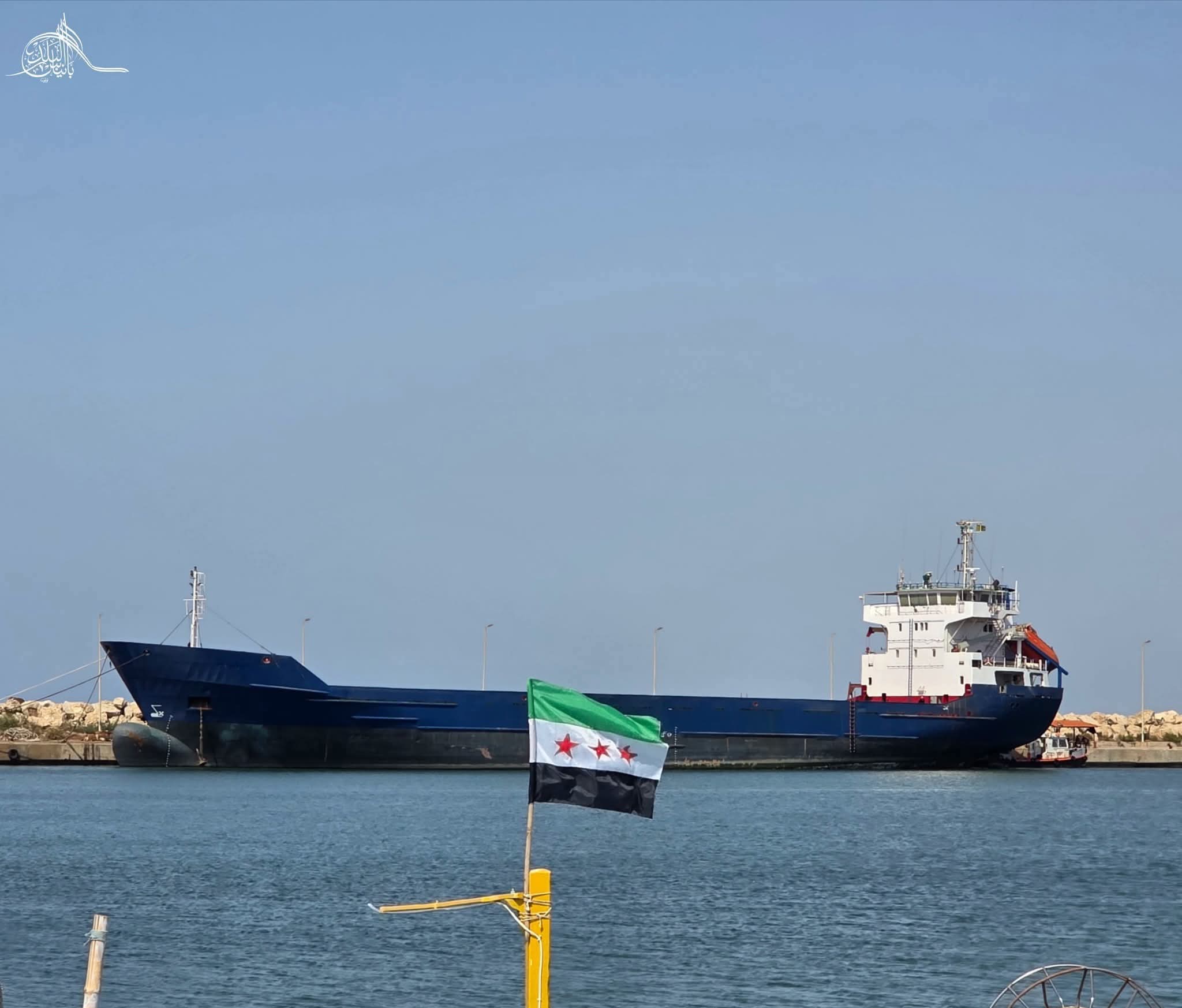
 The movement of Iraqi fuel oil through Syrian territory to the Mediterranean port of Baniyas in Tartous province reflects a notable shift in regional energy dynamics. The transit activity points to Syria’s gradual reentry as a strategic corridor for oil flows, amid broader efforts to restore its role in the regional energy network.
Recent shipments underscore the country’s geographic importance as a link between inland production areas and Mediterranean export routes. Observers say the development could mark an early step in reactivating infrastructure that once positioned Syria as a key transit hub.
Officials Cite Readiness and Economic Benefits
Safwan Ahmad, director of institutional communications at the Syrian Petroleum Company (SPC), said in remarks to the Qatar News Agency that the transit of Iraqi fuel represents a meaningful development. He described it as an indication of Syria’s operational readiness and its potential to resume a central role in energy transport.
Ahmad said the current phase serves as a practical test of infrastructure and technical capacity. He added that a broader shift toward pipeline transport, including the historic Kirkuk to Baniyas line, would require investment, modernization, and regional coordination.
He also pointed to economic benefits tied to the transit route. These include direct revenues from transit and storage, along with indirect gains such as infrastructure rehabilitation, increased transport activity, job creation, and expanded logistics services. Ahmad expressed hope that Arab companies would participate in redevelopment efforts, supporting regional integration in the energy sector.
Transit Operations Continue Despite Infrastructure Strain
Mazen Alloush, director of relations at the General Authority for Land and Maritime Ports, said the convoy movements demonstrate Syria’s return as an active transit corridor. He noted that authorities implemented an operational plan in coordination with relevant agencies to ensure safe and efficient passage.
According to Alloush, measures included streamlined customs procedures, designated convoy routes, and strengthened border readiness. Security protocols were also enhanced to maintain stability along transit paths. These steps have allowed shipments to reach Baniyas without major disruptions.
Still, infrastructure challenges remain. Alloush said the Tanf crossing requires extensive rehabilitation due to damaged roads and bridges, which continue to affect transport conditions. Authorities have relied on ongoing maintenance efforts to keep shipments moving and avoid delays.
Modernization Efforts Aim to Strengthen Regional Role
Officials say Syria is pursuing a strategy to reinforce its position in regional energy logistics. Plans include upgrading border infrastructure, modernizing ports, expanding storage and transport capacity, and adopting updated operating systems aligned with international standards.
As regional dynamics continue to evolve, sustained investment and cooperation will likely shape the pace of progress. While challenges persist, the resumption of fuel transit highlights a potential pathway for Syria to reestablish itself as a key player in the Middle East’s energy landscape, with implications for both national recovery and regional connectivity.