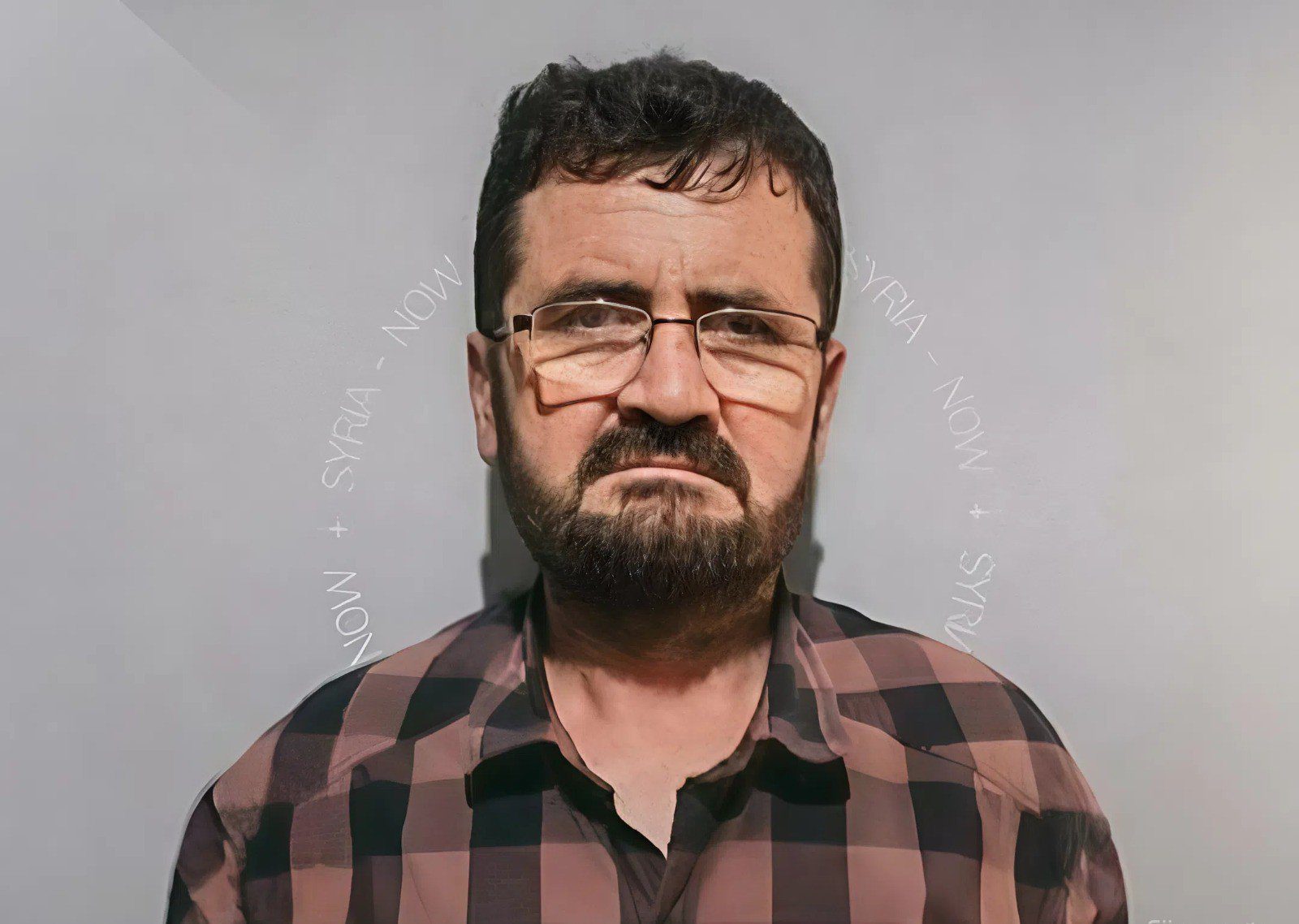
Dutch prosecutors called for a 30-year prison sentence against Rafiq Qatrib, a Syrian national accused of committing war crimes and crimes against humanity during the Syrian revolution. The case marks the first time courts in the Netherlands have prosecuted alleged atrocities tied to pro-government forces in Syria, including sexual violence as a crime against humanity.
Qatrib, 58, served as head of an interrogation unit within the National Defence Forces in Salamiyah, Syria, between 2013 and 2014. The militia operated in support of the regime of Bashar al-Assad. He was arrested in December 2023 after entering the Netherlands as an asylum seeker in 2021.
Dutch authorities brought 25 charges against him, including torture, sexual violence and rape involving nine victims. Prosecutors argue the acts constitute crimes against humanity due to their systematic nature.
If convicted, Qatrib could face life imprisonment, though prosecutors have requested a fixed 30-year sentence without parole, citing the gravity of the offenses. The case relies on the principle of universal jurisdiction, allowing national courts to prosecute individuals for serious international crimes regardless of where they were committed.
Survivor Testimonies Detail Alleged Abuse
During the trial, which began April 13 at The Hague District Court, several survivors delivered testimony describing severe physical and psychological abuse. One witness said, “He not only tore my body apart, but he trampled on my soul. It was the worst nightmare of my life.”
The witness added that he entered detention as a child and left as an adult suffering long-term trauma. Prosecutors emphasized the consistency of accounts from multiple victims, arguing they reflect a pattern of abuse under Qatrib’s authority.
The Public Prosecution Service also requested financial compensation for victims, stating that accountability should include both punishment and restitution. SANA reported that prosecutors described Qatrib as a continuing danger to society, reinforcing their call for the maximum penalty under Dutch law.
Defense Rejects Charges as Conspiracy
Qatrib has denied all allegations. His defense team argues that the accusations are fabricated and part of a broader conspiracy involving witnesses and prosecutors. Defense lawyers are expected to present closing arguments following the prosecution’s case. The trial comes amid efforts across Europe to pursue accountability for alleged crimes committed during the Syrian conflict.
Courts in countries such as Germany have also prosecuted former Assad regime officials under similar legal frameworks. Legal experts say the Dutch case stands out for its focus on sexual violence as a crime against humanity, a charge which has historically been difficult to prosecute due to evidentiary challenges.
Verdict Expected in June
Judges are scheduled to deliver a verdict on June 9. The outcome could set a precedent for future cases in the Netherlands while reinforcing the role of European courts in addressing international crimes. The proceedings have drawn attention from human rights groups and legal observers, who view the trial as a test of the Netherlands’ commitment to international justice.